
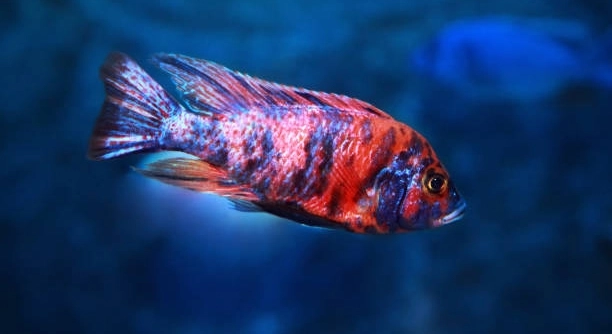
African cichlids are popular aquarium fish known for their vibrant colors and active behavior. Many fishkeepers observe their movements and wonder if these fish follow a daily routine. Understanding their habits can help create a better environment for them.
African cichlids do exhibit patterns in their behavior throughout the day, often influenced by light cycles, feeding times, and social interactions. These routines are not strictly fixed but show regular activity phases such as resting, foraging, and territorial displays.
Recognizing these daily habits can improve care strategies and enhance the wellbeing of your cichlids in home aquariums. This article explores the typical behaviors that shape their everyday life.
Daily Activity Patterns of African Cichlids
African cichlids are most active during daylight hours. They tend to wake with the light and become more alert, exploring their surroundings and searching for food. As the day progresses, their behavior includes swimming around, interacting with other fish, and defending territories. Rest periods occur mostly during low light or nighttime when activity slows down significantly. Their routine is influenced by environmental factors such as aquarium lighting, feeding schedules, and the presence of other fish. Consistent light cycles help maintain these patterns, making it easier for them to establish a predictable daily rhythm. In an aquarium setting, cichlids may adjust their routines to fit feeding times set by their keepers, often showing anticipation around those periods. These fish do not strictly follow a clock but respond reliably to changes in their environment. This understanding helps provide better care and supports their natural behavior.
African cichlids adapt well to regular light and feeding schedules. Predictability encourages healthy activity and reduces stress.
Observing cichlids throughout the day reveals clear phases of activity and rest. During the morning and afternoon, they actively patrol their territory, chase away intruders, and explore. At midday, their movements may slow down slightly, reflecting a period of lower energy use. Feeding time creates a spike in activity, as fish become alert and competitive around food. In the evening, their movements decrease gradually until they rest under rocks or in hiding places. These patterns demonstrate their ability to adapt to a controlled environment while maintaining instincts from their natural habitats. Regular care routines that respect these phases support the fish’s wellbeing, ensuring they stay healthy and stress-free.
Influence of Environment on Routine
Light is a key factor in regulating cichlids’ daily behavior. Consistent lighting schedules create natural wake and rest times.
The environment shapes how African cichlids establish their daily routines. Light cycles strongly influence their activity, with longer daylight periods encouraging more movement and shorter days prompting earlier rest. Tank size and decoration also impact behavior. Larger tanks allow more space for exploration and territorial behaviors, while ample hiding spots offer safe retreats that support rest periods. Feeding frequency affects their alertness and activity level. Predictable feeding times cause cichlids to become more responsive and active, anticipating food. Social interactions within the tank influence routines as well. Dominant fish may patrol territories more aggressively, while less dominant ones may hide more often, altering their daily patterns. Adjusting environmental factors thoughtfully can help maintain natural behaviors and reduce stress in captivity, promoting healthier, more active fish.
Feeding and Activity Levels
Feeding time greatly influences African cichlids’ activity. They become more alert and active when they expect food. Regular feeding schedules help them develop predictable behavior patterns.
Cichlids often show increased movement and social interaction just before feeding. This heightened activity is a response to anticipation and competition for food. When feeding is irregular, their routine becomes less stable, which can lead to stress and aggression. Maintaining consistent feeding times not only supports their natural rhythms but also encourages healthier social dynamics within the tank. These fish respond well to routine, which helps regulate their energy and activity levels throughout the day.
Feeding quantity and quality also affect their energy. Overfeeding can reduce their activity and cause health problems, while underfeeding makes them more restless and aggressive. Balanced nutrition combined with a steady schedule supports optimal behavior and wellbeing in African cichlids.
Rest and Nighttime Behavior
African cichlids reduce activity and seek shelter as light fades. They typically rest at night in safe, hidden areas.
Nighttime behavior is characterized by decreased movement and reduced social interaction. Cichlids find shelter under rocks or decorations, which provide security. This resting period is essential for their health, allowing them to recover from daytime activities. The quality of the resting environment impacts how well they settle. Proper tank setup with adequate hiding spaces encourages restful behavior and lowers stress levels. Disturbances during this time, such as sudden lights or noise, can disrupt their rest and affect their daily routine.
Ensuring a quiet, dim environment at night helps maintain their natural cycle. Consistent day-night cycles support overall health and behavioral balance.
Social Behavior and Routine
African cichlids’ social interactions shape their daily activities. Dominant fish often patrol and defend territories, while submissive ones stay more hidden. This dynamic influences their movement patterns throughout the day.
Social stress or competition can disrupt routines. When aggression rises, some fish may become less active or seek shelter more often to avoid conflict.
Impact of Tank Size
A larger tank allows African cichlids to display more natural behavior. They have space to establish territories and explore, which helps maintain their daily routine and reduces stress caused by overcrowding.
Environmental Enrichment
Providing varied decorations and hiding spots supports cichlids’ natural activity. Enrichment encourages exploration and reduces boredom, promoting a balanced daily routine.
Consistency in Care
Regular feeding and stable tank conditions are essential for maintaining a healthy routine in African cichlids. Consistency helps them stay active and reduces stress.
FAQ
Do African cichlids need a strict daily routine?
African cichlids do not require an exact daily schedule but benefit from consistency in their environment. Regular feeding times and stable light cycles help them develop predictable activity patterns. This consistency reduces stress and supports natural behavior. Sudden changes in light or feeding can disrupt their routine and cause aggression or inactivity.
How does lighting affect cichlids’ daily behavior?
Lighting is a key factor in regulating their activity. African cichlids are most active during daylight and rest when it is dark. Keeping a consistent light schedule, typically 10-12 hours of light followed by darkness, helps maintain their natural rhythms. Abrupt changes or irregular lighting can confuse the fish and disturb their rest periods.
Can feeding times change a cichlid’s routine?
Yes, feeding times strongly influence cichlids’ activity levels. They often become more alert and competitive around feeding. Regular feeding schedules train them to expect food at certain times, which encourages consistent daily activity. Irregular feeding may lead to stress and unpredictable behavior.
Do African cichlids rest at night?
Yes, these fish reduce activity and seek shelter during nighttime. They usually hide under rocks or decorations to feel secure while resting. Proper tank setup with adequate hiding places supports this behavior, promoting better rest and overall health.
How does tank size influence their routine?
Larger tanks provide more space for natural behaviors like territorial patrol and exploration. More room reduces stress from overcrowding, helping cichlids maintain a stable routine. Smaller tanks may limit activity and increase aggressive behavior due to close quarters.
What role do social interactions play in their daily routine?
Social hierarchy impacts daily activity. Dominant fish tend to be more active, defending territories, while submissive ones may hide more. Increased aggression or social stress can disrupt normal routines, causing some fish to become less active or overly stressed.
Is environmental enrichment important for their routine?
Yes, varied decorations and hiding spots encourage exploration and reduce boredom. Enrichment helps cichlids express natural behaviors, supporting a balanced daily routine and lowering stress. A bare tank can lead to inactivity and aggression.
How do sudden changes affect their routine?
Sudden changes in lighting, temperature, or feeding can cause stress and disrupt normal behavior. Fish may become lethargic, hide more, or show increased aggression. Keeping stable conditions is essential for their wellbeing and maintaining a consistent routine.
Can stress affect their daily behavior?
Stress negatively impacts activity levels and health. It can cause fish to hide excessively, lose appetite, or become aggressive. Minimizing stress by maintaining proper tank conditions and social balance helps African cichlids keep a healthy daily routine.
How can I encourage a healthy routine in my cichlids?
Maintain consistent lighting and feeding schedules. Provide enough space and hiding places to reduce stress. Observe their behavior to notice any changes and adjust the environment accordingly. Routine care and attention help keep them active and healthy.
African cichlids show clear patterns of behavior throughout the day, even though their routines are not rigid like those of some other animals. Their daily activities generally follow light and feeding cycles. During the day, they are more active, exploring their environment, interacting with other fish, and defending their territory. As the light fades, they slow down and find places to rest. This natural rhythm is important for their health and wellbeing. Keeping a stable environment with consistent light and feeding times helps them maintain these patterns. When conditions are steady, cichlids tend to be more relaxed and show natural behaviors, which is a sign of good care.
The environment plays a significant role in shaping their routine. Tank size, decorations, and the number of fish in the aquarium all affect how African cichlids behave. Larger tanks give them space to swim freely and set up territories, which helps reduce stress and aggression. Hiding spots created by rocks or plants provide safe places for rest and reduce fear. When these factors are in balance, cichlids display healthy activity levels and social interactions. On the other hand, overcrowding or poor tank setup can disrupt their daily routine and cause behavioral problems. Understanding the needs of these fish helps create an aquarium environment where they can thrive.
Consistency is key to keeping African cichlids healthy and happy. Regular feeding schedules, proper lighting, and a well-maintained tank support their natural cycles and reduce stress. Observing their behavior can help detect any changes that might indicate a problem. Adjustments to their environment or care routine can often restore balance and encourage normal activity. By paying attention to their daily patterns, fishkeepers can provide better care and enjoy watching these vibrant, active fish in their tanks. Maintaining a stable routine benefits both the fish and the keeper, making aquarium life rewarding and manageable.

Hello,
If you enjoy the content that we create, please consider saying a "Thank You!" by leaving a tip.
Every little bit helps us continue crafting quality advice that supports the health, happiness, and well-being of pets around the world, for pets of all shapes, sizes, and species.
We really appreciate the kindness and support that you show us!