
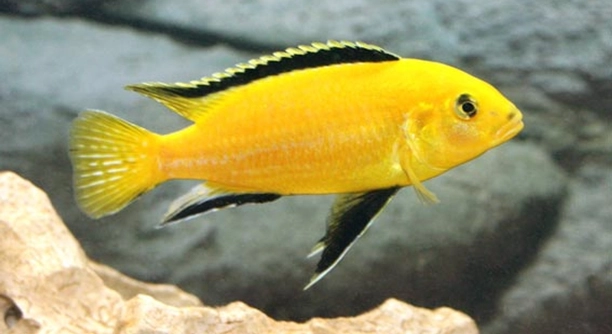
African cichlids are colorful and active fish that many aquarium enthusiasts enjoy keeping. Choosing the right tank mates can be tricky because cichlids have strong territorial behavior. Finding compatible fish helps create a peaceful and balanced aquarium environment.
African cichlids tolerate tank mates that are robust, fast-moving, and able to hold their own, such as certain catfish, larger tetras, and some plecos. Compatibility depends on size, temperament, and tank conditions to reduce aggression and stress.
Knowing which fish can live well with African cichlids will help you build a more harmonious tank. This article will introduce seven tank mates that are generally accepted by these vibrant fish.
Synodontis Catfish
Synodontis catfish are a popular choice for tanks with African cichlids. These bottom dwellers are hardy and have tough skin, making them less likely to be harmed by aggressive cichlids. Their peaceful nature and nocturnal habits mean they stay out of the way during the day, reducing conflicts. Synodontis also help keep the tank clean by eating leftover food and algae. They prefer hiding spots like caves or dense plants, which offer them security from more territorial fish. Because of their size and behavior, they can coexist with most medium to large African cichlid species. However, it’s important to provide enough space and shelter to prevent stress and fights. Adding Synodontis catfish can balance the tank by filling a different niche and encouraging natural behavior in cichlids, which makes the aquarium more interesting to watch overall.
Synodontis catfish’s durability and peaceful habits make them excellent companions for aggressive African cichlids.
Keeping Synodontis in your tank offers more than just company for your cichlids. These catfish actively scavenge the bottom, cleaning uneaten food and preventing waste buildup, which helps maintain water quality. They have a unique appearance with whisker-like barbels and often sport striking patterns, adding visual interest to the tank. Their nocturnal nature means they are more active at night, giving your aquarium a dynamic feel as different fish take turns showing their natural behaviors. When housed with African cichlids, the Synodontis provides balance by staying mostly out of direct competition and aggression zones. You’ll need to ensure the tank has enough hiding places to keep them comfortable, which also benefits the cichlids by reducing stress levels. Overall, Synodontis catfish are a practical and visually appealing choice for many cichlid setups.
Larger Tetras
Larger tetra species, like Congo tetras, can live well with African cichlids because they are quick swimmers and not easily intimidated.
Congo tetras have bright colors and swim actively in the mid to upper tank levels, avoiding the more territorial bottom areas preferred by cichlids. They are schooling fish, so keeping them in groups helps reduce stress and makes their presence more natural in the tank. Their size and speed usually protect them from aggression, as cichlids tend to avoid chasing fast-moving, similarly sized fish. However, tank size matters—a cramped aquarium increases conflict chances. Regular water changes and hiding spots are necessary to keep all fish healthy. Congo tetras’ peaceful nature contrasts nicely with the sometimes aggressive cichlids, offering movement and color diversity in the tank. By selecting larger tetras, you create an environment where different species occupy distinct spaces, reducing tension and supporting overall harmony.
Plecostomus
Plecostomus, or plecos, are tough algae eaters that tolerate African cichlids well. They mainly stay on tank surfaces and rocks, so they don’t compete for space much. Their armored bodies protect them from attacks.
Plecos help keep the tank clean by eating algae, which benefits all fish by maintaining better water quality. They are mostly nocturnal, so they are less active when cichlids are, reducing chances for conflict. Because plecos grow quite large, it’s important to choose species that fit your tank size. Smaller plecos like the bristlenose are popular for cichlid tanks since they stay manageable in size. Their peaceful nature and different activity patterns make them suitable companions for cichlids. They don’t bother the cichlids and are mostly ignored in return.
Adding a pleco to your African cichlid tank brings practical advantages and helps balance the ecosystem. These fish are hardy and low-maintenance, making them a convenient choice for many aquariums.
Rainbowfish
Rainbowfish are colorful, active swimmers that can live peacefully with African cichlids if given enough space. They usually swim in the mid to upper levels of the tank, avoiding cichlids’ territory.
Rainbowfish prefer schools and need room to swim freely, which helps reduce stress and aggression from cichlids. Their bright colors add visual appeal, contrasting nicely with the bolder patterns of cichlids. They are fast and alert, which helps them avoid trouble in a community tank. Good water quality and proper tank size are essential to keep both species healthy and comfortable. With the right setup, rainbowfish provide lively movement without provoking cichlids, making the tank more dynamic and interesting. Choosing rainbowfish as tank mates can create a balanced environment where different species thrive side by side.
Convict Pleco
Convict plecos are small, hardy algae eaters that adapt well to cichlid tanks. Their tough bodies protect them from aggression, and their peaceful nature means they won’t provoke other fish.
They stay mostly on rocks and decorations, eating algae and leftover food. Convict plecos help keep the tank clean and reduce waste buildup.
Featherfin Synodontis
Featherfin Synodontis are bottom dwellers with a calm temperament that suits cichlid tanks well. Their unique appearance adds interest, and they stay mostly hidden during the day.
These catfish scavenge the tank floor, eating leftover food and algae, helping maintain water quality. Their size and armored skin allow them to live peacefully alongside African cichlids without much trouble.
African Butterfly Fish
African butterfly fish are surface dwellers that occupy a different space than cichlids. They are peaceful and rarely interact aggressively with tank mates.
They swim near the water surface and can help control insects or larvae that fall into the aquarium. Their unique swimming style adds variety to the tank’s activity.
What tank size is best for keeping African cichlids with other fish?
A larger tank is always better when mixing African cichlids with other species. At least 55 gallons is recommended to give enough space for territories and swimming. Crowding leads to stress and more aggression, so more room helps keep peace.
Can African cichlids and Synodontis catfish live together peacefully?
Yes, Synodontis catfish are one of the best tank mates for African cichlids. Their armored bodies protect them from attacks, and their mostly nocturnal habits mean they avoid direct competition. Both species tend to respect each other’s space, making cohabitation easier.
Are plecostomus good companions for African cichlids?
Plecos can be excellent tank mates because they are bottom dwellers and algae eaters. Their tough skin protects them, and they mostly keep to themselves. However, it’s important to pick the right species based on tank size, as some plecos grow very large.
What should I avoid when choosing tank mates for African cichlids?
Avoid small, slow, or very passive fish because they may become targets of aggression. Also, fish that live in the same tank zones as cichlids are more likely to be attacked. Avoid mixing different cichlid species without enough space to reduce fights.
How can I reduce aggression between African cichlids and other fish?
Providing plenty of hiding spots and decorations helps break sight lines and reduce territorial disputes. Keeping the tank clean with regular water changes also lowers stress. Grouping cichlids of similar size together reduces bullying of smaller fish.
Do African cichlids eat other fish?
African cichlids may nip fins or chase smaller fish, but they don’t usually eat tank mates if the fish are large and fast enough. Feeding them well with a balanced diet reduces aggressive hunting behavior in the tank.
Can I keep rainbowfish with African cichlids?
Yes, rainbowfish can live with cichlids if the tank is large enough. Their fast swimming and schooling habits help them avoid aggression. Rainbowfish swim at different levels, which reduces competition for space.
What kind of diet should I feed African cichlids and their tank mates?
African cichlids need a varied diet including pellets, flakes, and occasional live or frozen foods. Tank mates like Synodontis and plecos benefit from algae wafers or sinking pellets. Feeding the right food helps reduce aggression caused by hunger or competition.
How often should I check water quality in a mixed cichlid tank?
Water quality should be tested weekly for ammonia, nitrites, nitrates, and pH. African cichlids prefer hard, alkaline water. Maintaining clean water prevents stress and illness, keeping all tank fish healthy and peaceful.
Is it necessary to separate aggressive cichlids from their tank mates?
If a cichlid becomes too aggressive and harms other fish, separating it is necessary. Sometimes rearranging decorations or adding more hiding places helps. In severe cases, a species-only tank may be the best option to protect more peaceful fish.
African cichlids are beautiful and active fish that bring life to any aquarium. Choosing the right tank mates is important to keep the environment calm and healthy. Not every fish will do well with cichlids because of their territorial and sometimes aggressive nature. It’s best to pick species that can handle the cichlids’ behavior and live in different parts of the tank. This helps reduce stress and fighting, making the tank a better place for all the fish. When you select compatible tank mates, you create a balanced aquarium where each fish has its own space and role.
Many fish species can live peacefully with African cichlids if the tank is set up properly. Bottom dwellers like Synodontis catfish and plecostomus are good choices because they stay mostly near the tank floor and avoid the cichlids’ main territories. Fast swimmers like larger tetras and rainbowfish tend to avoid trouble by moving quickly through the water and staying in the upper or middle levels of the tank. Providing plenty of hiding spots and enough swimming space helps reduce aggression. Decorations, rocks, and plants break up sight lines and give fish places to retreat. Keeping water clean and feeding all fish well also helps keep stress low and behavior calm.
It’s important to remember that every fish has its own personality, and sometimes even compatible tank mates can show aggression. Watching your tank closely after adding new fish helps you notice any problems early. If fights happen often, you might need to adjust the tank setup or separate the aggressive fish. With care and attention, many fish can live together happily with African cichlids. Taking time to learn about each species’ needs and behavior will help you create a thriving aquarium that is enjoyable to watch and easy to maintain.

Hello,
If you enjoy the content that we create, please consider saying a "Thank You!" by leaving a tip.
Every little bit helps us continue crafting quality advice that supports the health, happiness, and well-being of pets around the world, for pets of all shapes, sizes, and species.
We really appreciate the kindness and support that you show us!