
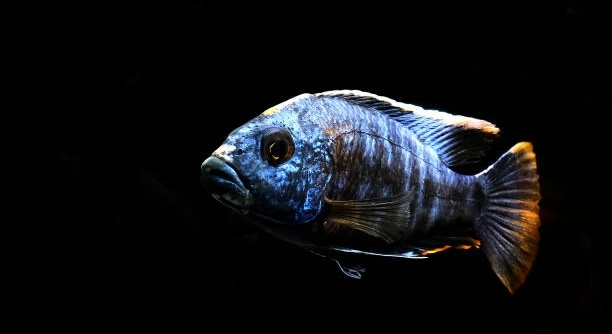
Many cichlid owners notice their fish grouping tightly in one corner of the tank. This behavior can be concerning and puzzling, especially when the fish usually swim freely around their environment. Understanding why this happens is important for maintaining a healthy aquarium.
Cichlids gathering in one corner often indicates stress, poor water quality, or insufficient space. Environmental factors like high ammonia levels, temperature fluctuations, or aggressive tankmates can cause this behavior, prompting fish to seek refuge in a safer spot.
Knowing the reasons behind this clustering helps you create a better habitat for your cichlids. This article will guide you through common causes and practical solutions to keep your fish comfortable and active.
Common Causes of Cichlids Clustering in One Corner
When cichlids crowd into one corner, it often relates to the tank’s environment. Poor water quality is a frequent cause. High levels of ammonia, nitrites, or nitrates stress fish and make them seek safer areas. Temperature also plays a role; if the water is too cold or hot, fish may gather near the filter or heater. Tank size and decoration affect their movement too. A small or overcrowded tank leaves little room to swim freely, so they stick together. Aggressive tankmates can push cichlids to hide in corners for safety. Sometimes, lack of hiding spots causes fish to group tightly. Watching their behavior closely helps spot which factor is affecting them.
Proper filtration, regular water tests, and maintaining correct temperature reduce stress and encourage normal activity. Adding plants or rocks provides hiding places, helping cichlids feel secure and spread out.
Taking steps to improve the tank conditions will make your cichlids more comfortable and reduce clustering. This is essential for their well-being.
Water Quality Problems and Solutions
Poor water quality is a major reason cichlids gather in one corner. Dirty water creates an unhealthy environment. Changing water regularly and using a good filter are key.
Testing water parameters weekly helps catch problems early. Ammonia and nitrites should be zero, while nitrates must stay low. Using water conditioners can remove harmful chemicals. Overfeeding causes waste buildup, so feeding small amounts is better. If needed, adding live plants can improve water quality by absorbing toxins. Clean gravel and decorations also prevent harmful buildup. These actions promote a balanced tank where fish feel safe and swim freely.
Stress and Behavior Changes
Stress from sudden changes or aggressive tankmates often makes cichlids cluster. Fish are sensitive to noise, light, and water changes. Aggression between fish causes them to seek refuge. Introducing new fish or rearranging the tank too quickly can upset their balance. Signs of stress include hiding, loss of appetite, or color fading.
To reduce stress, keep the tank environment stable. Avoid loud noises and sudden light changes. Gradually introduce new fish and decorations. Providing plenty of hiding spots helps fish escape aggression. Observing fish behavior daily can catch early signs of trouble, allowing quick action. Stress reduction improves health and encourages natural swimming behavior.
Keeping cichlids comfortable means paying attention to their environment and social needs. With care, clustering behavior will lessen and your fish will thrive.
Tank Size and Space Issues
A small tank or overcrowding limits cichlids’ movement, causing them to cluster. They need enough room to swim comfortably and establish territory.
When the tank is too small, stress increases, and fish feel trapped. Overcrowding also raises waste levels, affecting water quality. Providing at least 30 gallons for a few cichlids helps, but larger species need more space. Dividing the tank with decorations or plants can give each fish its own area. This reduces conflict and encourages them to spread out.
If adding a bigger tank isn’t possible, reducing the number of fish helps. Regular cleaning and water changes improve conditions too. Ensuring enough space is one of the easiest ways to keep cichlids healthy and active.
Tank Decoration and Hiding Spots
Cichlids gather when hiding places are scarce. Rocks, caves, and plants offer security and reduce stress. These decorations create natural boundaries, helping fish feel safe.
Without enough cover, fish feel exposed and cluster together for protection. Adding decorations mimics their natural habitat, encouraging normal behavior. Plants can soften aggressive interactions by breaking lines of sight. Hiding spots also help shy fish avoid dominant ones, balancing social dynamics.
Carefully arranging tank items improves flow and creates territories. Using a mix of open swimming areas and shelters keeps fish comfortable. This simple change often reduces clustering and improves overall tank harmony.
Temperature and Water Flow
Cichlids are sensitive to temperature changes and water flow. If water is too cold or too warm, they gather where conditions feel better.
Strong currents can tire fish, causing them to cluster in calmer corners to rest. Adjusting flow and maintaining stable temperatures keeps them comfortable.
Aggressive Tankmates
Aggression from other fish forces cichlids to hide. Dominant tankmates can chase or bully them, making them seek refuge in one corner. Separating aggressive fish or rearranging the tank helps reduce conflicts. Providing enough space and hiding spots also lowers aggression, encouraging peaceful coexistence.
Feeding Habits
Uneven feeding can cause cichlids to gather in one corner. If food is always dropped in the same spot, fish will cluster there, waiting for meals. Varying feeding locations and scattering food evenly encourages fish to spread out and explore the tank.
Light and Noise Disturbance
Sudden or bright light and loud noises stress cichlids. They respond by grouping together in quiet, dim corners. Reducing light intensity and minimizing disturbances creates a calm environment where fish feel safe and swim freely.
Why are my cichlids always in one corner of the tank?
Cichlids often gather in one corner because they feel stressed or unsafe. This can happen due to poor water quality, temperature changes, strong currents, or aggressive tankmates. They seek the safest spot in the tank where conditions are most comfortable for them.
How can I tell if water quality is causing this behavior?
Check your water parameters regularly. Ammonia and nitrite levels should be zero, and nitrates should be low. Cloudy water or a bad smell can also indicate poor quality. If water tests are off, fish may cluster to avoid toxic areas.
What is the best way to improve water quality?
Perform regular water changes, about 20-30% weekly. Use a good filter suitable for your tank size and clean it as needed. Avoid overfeeding, as uneaten food breaks down and pollutes the water. Adding live plants helps absorb harmful chemicals naturally.
Could the tank size be too small?
Yes, a tank that is too small or overcrowded makes cichlids feel trapped. They need enough space to swim freely and establish territories. Providing at least 30 gallons for a small group is recommended. Larger species require even more room.
How do hiding spots affect their behavior?
Cichlids need places to hide and feel secure. Without enough caves, rocks, or plants, they may cluster together for safety. Adding decorations creates natural boundaries and reduces stress, encouraging fish to spread out.
Can temperature changes make cichlids group together?
Definitely. Sudden drops or rises in temperature cause discomfort. Fish will move to areas where the temperature feels best, often the corners near heaters or filters. Maintaining a stable temperature between 75-82°F suits most cichlids.
What role does water flow play in clustering?
Strong currents tire cichlids, especially those not used to fast-moving water. They will gather in calm corners to rest. Adjusting the filter output or adding flow breaks helps create gentle water movement that suits their needs.
Are aggressive tankmates responsible?
Yes. Aggressive or territorial fish can bully cichlids, forcing them into corners to hide. Separating aggressive species or providing enough hiding spots and space reduces tension and improves harmony.
How can feeding habits influence clustering?
If food is always dropped in one spot, fish will wait there. Scattering food around the tank encourages movement and reduces clustering. Feeding smaller amounts multiple times a day helps maintain good water quality and keeps fish active.
Does light and noise affect their behavior?
Cichlids are sensitive to sudden bright lights and loud noises. These stressors cause them to hide together in dark, quiet corners. Using dimmable lights and reducing noise near the tank creates a calm environment for your fish.
What signs of stress should I watch for besides clustering?
Look for loss of appetite, faded colors, erratic swimming, or hiding for long periods. These are signs your cichlids may be uncomfortable or sick. Early detection helps you fix problems before they get worse.
Is clustering normal during certain times?
Sometimes cichlids group during rest or after feeding, which is normal. However, if clustering is constant or linked to hiding, it likely signals an issue that needs attention.
Can changing the tank layout help?
Yes. Rearranging decorations and adding new hiding places can reduce territorial disputes and encourage exploration. Fish may take time to adjust but usually benefit from a refreshed environment.
Should I separate fish if clustering continues?
If aggression is severe, separating fish into different tanks may be necessary. Otherwise, improving tank conditions and layout often resolves clustering without needing separation.
How often should I monitor my tank to prevent clustering?
Daily observation helps catch problems early. Checking water quality weekly and maintaining a consistent cleaning schedule supports a healthy environment. The more you observe, the quicker you can respond to changes in behavior.
What is the easiest way to encourage cichlids to spread out?
Ensure good water quality, provide enough space, add hiding spots, and keep water flow gentle. Feeding in different places and reducing stress from noise or light also helps them feel comfortable exploring the entire tank.
Understanding why cichlids gather in one corner helps keep them healthy and comfortable. This behavior usually signals that something in their environment is not quite right. It can be caused by poor water quality, temperature problems, lack of space, or stress from other fish. Paying attention to these factors is important for the well-being of your fish. Regular water tests, proper tank maintenance, and providing enough room can make a big difference. When the environment is stable and safe, cichlids will swim freely instead of crowding in one spot.
Making small changes in the tank setup can improve your fish’s behavior quickly. Adding hiding places such as rocks, plants, or caves helps reduce stress and aggression. These spots give shy or bullied fish a safe place to retreat. It also creates a more natural setting, encouraging the fish to spread out. Adjusting the water flow and temperature to comfortable levels supports their health too. Even feeding habits matter; scattering food in different areas encourages activity and reduces clustering during feeding time. Taking these steps shows that a little attention to detail goes a long way in creating a better environment for your cichlids.
Remember, observing your fish daily is key to catching problems early. Changes in behavior often indicate something is off, and quick action can prevent bigger issues. Keeping a clean, well-maintained tank with good water quality and proper care helps your cichlids thrive. They are active, social fish that need space and comfort to be their best. When you meet their needs, you’ll enjoy watching them explore the tank happily and confidently instead of hiding in one corner. This care not only improves their health but also makes your aquarium a more enjoyable and peaceful place.

Hello,
If you enjoy the content that we create, please consider saying a "Thank You!" by leaving a tip.
Every little bit helps us continue crafting quality advice that supports the health, happiness, and well-being of pets around the world, for pets of all shapes, sizes, and species.
We really appreciate the kindness and support that you show us!