
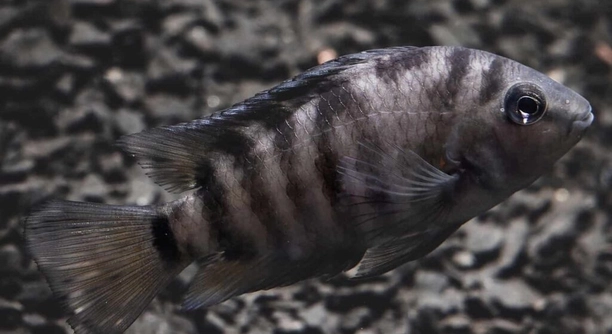
African cichlids are popular aquarium fish admired for their bright colors and active behavior. Many new fish owners wonder if these vibrant species can thrive in regular tap water. Understanding their needs helps keep them healthy and happy in home tanks.
African cichlids can live in tap water, but success depends on the water’s quality and chemistry. Proper conditioning, such as dechlorination and maintaining correct pH and hardness, is essential to provide a suitable environment for their survival and well-being.
Knowing how to prepare tap water for cichlids ensures a safe habitat and supports their natural behaviors and vibrant appearance in your aquarium.
Understanding Tap Water Quality for African Cichlids
Tap water varies widely depending on where you live, and this affects whether it suits African cichlids. These fish thrive in water with a pH level between 7.8 and 8.6 and moderately hard to hard water. Many tap water sources have chlorine or chloramine added to kill bacteria, which can harm your fish. Using a water conditioner removes these chemicals and makes tap water safer for cichlids. It is also important to test your water’s hardness and pH regularly. If the water is too soft or acidic, it can stress the fish and weaken their immune systems. Adjusting pH and hardness with aquarium supplements or mixing tap water with mineral-rich water can improve conditions. Keeping the water temperature between 74°F and 82°F is also essential for their health. Regular water changes help maintain water quality and remove harmful waste products.
Maintaining stable water parameters is critical to prevent stress and disease in African cichlids.
Testing and adjusting tap water ensures your cichlids live in conditions similar to their natural habitats. Stability is key, so avoid sudden changes to keep them thriving.
Preparing Tap Water for Your Aquarium
Treating tap water before adding it to the tank is essential. Always use a water conditioner that neutralizes chlorine and chloramine. Let the water sit for a few hours after conditioning to allow gases to escape. Testing the water for pH and hardness after treatment will help you confirm it’s suitable. If necessary, add mineral supplements to raise hardness or adjust pH carefully. Avoid using tap water straight from the faucet without any treatment, as this can shock the fish and damage their delicate gills. Keeping a separate container for treated water helps maintain consistency during water changes. Over time, you’ll get familiar with your tap water’s characteristics and how to modify them to fit your cichlids’ needs. Consistency in water preparation leads to a healthier and more vibrant aquarium environment.
Common Issues with Tap Water for African Cichlids
Tap water sometimes contains heavy metals like copper or iron, which can be harmful to African cichlids. These metals come from old plumbing or water treatment processes and may accumulate in the tank.
Using a water test kit can help identify the presence of harmful metals. If detected, using a water purifier or reverse osmosis (RO) system is recommended to remove these contaminants. Some aquarium water conditioners also claim to neutralize heavy metals, but their effectiveness varies. Ensuring your tank’s water is free from harmful metals protects your fish from illness and stress. Regular monitoring is the best way to avoid unexpected problems.
Another issue is fluctuating water parameters, which can be stressful for cichlids. Tap water chemistry can change seasonally or due to municipal treatment changes. This variability can affect pH, hardness, and contaminant levels. Using stable, treated water and performing frequent testing helps keep conditions steady. Sudden changes can weaken your fish’s immune system, leading to diseases. Consistency in water quality supports long-term health and vibrant colors.
Tips for Safely Using Tap Water
Always test tap water before using it in your aquarium. Knowing your water’s pH, hardness, and contaminant levels guides proper treatment.
Use a good quality water conditioner to remove chlorine and chloramine. Let treated water sit before adding it to the tank to allow gases to dissipate. Avoid mixing untreated tap water directly with aquarium water to prevent shocking the fish.
Consider investing in a reverse osmosis system if your tap water contains heavy metals or fluctuates widely in chemistry. Mixing RO water with mineral supplements can create ideal conditions. Keeping a consistent water preparation routine will reduce stress and help your cichlids thrive.
Signs Your Tap Water May Not Be Ideal
Cloudy water or unusual odors can indicate poor tap water quality. These signs often mean contaminants or imbalances that could harm your cichlids.
If your fish show signs of stress like faded colors or sluggish behavior, water quality might be the cause. Testing is essential to identify issues early.
Adjusting pH and Hardness in Tap Water
When tap water’s pH or hardness is outside the ideal range, adjustments are necessary. pH buffers can raise or lower pH gently, while mineral supplements increase hardness. It’s important to make changes slowly to avoid shocking your fish. Regular testing helps ensure parameters stay stable. Using natural materials like crushed coral can also help maintain higher pH and hardness. Each tank is different, so careful observation and gradual adjustment are key to success.
Using Water Conditioners
Water conditioners remove chlorine and chloramine, making tap water safe. Choose one designed for aquarium use and follow the instructions carefully.
FAQ
Can African cichlids survive in untreated tap water?
Untreated tap water often contains chlorine, chloramine, and other chemicals that are harmful to African cichlids. These chemicals can damage their gills and cause stress or illness. It’s important to treat tap water with a proper conditioner before adding it to the aquarium. Without treatment, the fish are unlikely to thrive and may suffer health problems quickly.
How do I know if my tap water is safe for cichlids?
Testing your tap water with an aquarium water test kit is the best way to know its safety. Check for pH, hardness (GH and KH), chlorine, chloramine, and heavy metals. If levels fall within the suitable range for African cichlids, the water is safer to use. If not, adjustments or filtration are necessary to create a better environment.
What is the ideal pH for African cichlids?
African cichlids prefer alkaline water, with a pH between 7.8 and 8.6. This range matches their natural habitat in African lakes. Maintaining a stable pH within this range supports their health, behavior, and coloration. Sudden pH swings can cause stress and illness, so regular monitoring and adjustments are important.
How can I raise the pH of my tap water if it is too low?
Raising the pH can be done by adding natural materials like crushed coral or limestone to the filter or substrate. Commercial pH buffers designed for aquariums are also available. Make changes gradually, testing the water often to avoid stressing your fish with sudden shifts in water chemistry.
Is it necessary to soften hard tap water for African cichlids?
No, African cichlids usually do better in moderately hard to hard water. Softening very hard tap water is sometimes needed if levels are extremely high, but generally, maintaining hardness between 10-20 dGH supports their well-being. Use water hardness test kits to monitor and adjust as needed.
How often should I change the water in a cichlid tank?
Performing partial water changes of about 20-30% weekly is recommended to maintain water quality. Regular changes remove waste and toxins, helping keep tap water parameters stable. Always treat replacement water properly before adding it to the tank to prevent shocking the fish.
Can I use a reverse osmosis (RO) system for tap water?
Yes, RO systems are effective at removing chlorine, chloramine, heavy metals, and other impurities. However, RO water lacks minerals, so it needs to be re-mineralized with appropriate supplements to provide hardness and nutrients necessary for African cichlids’ health.
What water temperature do African cichlids need?
African cichlids thrive in water temperatures between 74°F and 82°F (23°C to 28°C). Keeping the temperature stable within this range helps maintain their metabolism and immune system. Use a reliable aquarium heater and thermometer to monitor conditions.
How do I prevent fluctuations in tap water chemistry?
Fluctuations can be minimized by consistently treating tap water the same way and storing it in a clean container before use. Avoid mixing untreated tap water with conditioned water directly in the tank. Testing water parameters before and after treatment helps catch any changes early.
Can I mix tap water with bottled or distilled water?
Mixing tap water with bottled or distilled water is possible but must be done carefully. Bottled or distilled water usually lacks minerals, so mixing it with tap water can lower hardness and pH. Always test the resulting mix to ensure it stays within the ideal range for your cichlids.
Are there any signs my fish are suffering from poor water quality?
Signs include faded colors, loss of appetite, lethargy, gasping at the surface, and unusual swimming behavior. These symptoms often indicate stress caused by improper water conditions. Regular water testing and maintenance can help prevent these issues.
Is it safe to use tap water straight from the faucet for new tanks?
It’s not safe to use untreated tap water directly. New tanks need stable, safe water conditions to establish beneficial bacteria and support fish health. Always treat tap water with a conditioner and adjust parameters as needed before introducing fish.
How long should I let treated tap water sit before adding it to the tank?
After adding a water conditioner, letting the water sit for at least 30 minutes helps any gases escape and ensures the treatment is fully effective. Some conditioners work instantly, but waiting a short time is a good practice to avoid shocking fish.
What is the role of water hardness in cichlid health?
Water hardness affects the mineral content, including calcium and magnesium, which are important for cichlid bone development and metabolism. Maintaining moderate to high hardness helps mimic their natural environment and supports strong, healthy fish.
Can I use tap water for breeding African cichlids?
Yes, but the water must be properly treated and stable in pH and hardness to encourage breeding. Stress from poor water quality can prevent spawning or harm fry survival. Careful preparation of tap water improves chances for successful breeding.
Are there any additives I should avoid in tap water?
Avoid any additives not specifically designed for aquarium use. Household water softeners, anti-bacterial agents, or other chemicals can harm cichlids. Always use aquarium-safe products and follow instructions carefully.
How can I keep tap water safe during seasonal changes?
Seasonal changes can alter tap water chemistry due to municipal treatment adjustments or source water variations. Testing water more frequently during these times and adjusting treatment accordingly helps maintain a safe environment year-round.
What is the best way to acclimate cichlids to tap water?
Slow acclimation by floating the fish in their bag or container in the tank water and gradually mixing small amounts of treated tap water over an hour or more helps reduce stress. This method allows fish to adjust to differences in temperature and chemistry safely.
African cichlids can live successfully in tap water if the water is properly treated and maintained. Tap water straight from the faucet often contains chemicals like chlorine or chloramine that are harmful to fish. It also may have varying levels of hardness, pH, and sometimes heavy metals, depending on the local water supply. These factors can affect the health and behavior of African cichlids. Using a water conditioner to neutralize harmful chemicals is essential. Testing your tap water regularly helps ensure it has the right conditions or identify if adjustments are needed. With proper care, tap water can be made safe and supportive for these colorful fish.
Maintaining stable water parameters is key to keeping African cichlids healthy in tap water. They prefer alkaline water with a pH between 7.8 and 8.6 and moderate to hard water hardness. Sudden changes in water chemistry can stress the fish, making them more vulnerable to illness. It is important to prepare tap water consistently, treating it the same way each time and monitoring parameters with test kits. Adding natural materials like crushed coral or commercial buffers can help keep pH and hardness in the ideal range. Regular partial water changes with treated tap water help remove waste and keep the tank environment clean.
In summary, tap water can support African cichlids well when treated and managed correctly. Investing time in testing and conditioning the water creates a safer habitat that resembles their natural environment. Avoiding untreated tap water and preventing fluctuations in water quality are important steps. With stable, clean water, African cichlids can display their vibrant colors and lively behavior for years. The process might seem detailed at first, but it becomes easier with experience. Proper water care is one of the most important parts of successful cichlid keeping and helps ensure they remain healthy and active.

Hello,
If you enjoy the content that we create, please consider saying a "Thank You!" by leaving a tip.
Every little bit helps us continue crafting quality advice that supports the health, happiness, and well-being of pets around the world, for pets of all shapes, sizes, and species.
We really appreciate the kindness and support that you show us!