
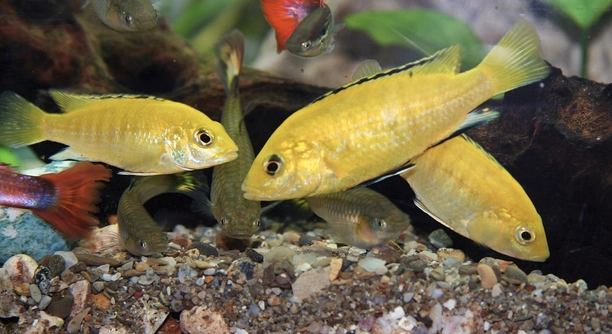
African cichlids are popular aquarium fish known for their vibrant colors and active behavior. Many hobbyists wonder if these fish can get bored with their food over time. Feeding them a varied diet is often suggested to keep them interested.
African cichlids do not experience boredom with food in the way humans do. However, repetitive feeding of the same food may reduce their interest and appetite. Providing a diverse diet supports their nutritional needs and encourages consistent feeding behavior.
Understanding how feeding affects cichlids’ behavior can improve their care and well-being. The following information will help you maintain a healthy and happy aquarium environment for these lively fish.
Why Variety Matters for African Cichlids
Feeding African cichlids the same food repeatedly can cause them to lose interest, even though they don’t get bored like humans. They are naturally attracted to changes in texture and flavor, which mimic their diet in the wild. Including a mix of flakes, pellets, frozen, and live foods helps keep their feeding behavior active. This variety also ensures they receive a balanced diet, covering all necessary nutrients. Without diversity, cichlids might eat less, affecting their growth and color vibrancy. Offering different foods can make mealtime more engaging for them and supports their overall health.
Variety in food is key to keeping African cichlids healthy and motivated to eat regularly. Mixing their diet benefits both their nutrition and behavior.
Adjusting feeding routines and food types can prevent disinterest. Experiment with different brands and forms to find what your fish prefer, while making sure their nutritional needs are met. This approach will help maintain their energy and keep their colors bright over time.
Signs Your Cichlids Need a Change in Diet
A drop in appetite or slower feeding response often signals the need for dietary adjustments. Sometimes, cichlids will ignore food altogether if it becomes repetitive. Watch for changes in their activity level and color, as these can reflect nutritional deficiencies or boredom with their current diet. It is important to observe your fish regularly to detect these signs early.
If your cichlids are showing signs of disinterest in food, it is time to introduce new options.
Introducing new food types gradually allows your fish to adapt without stress. Start by mixing small amounts of new foods with their regular diet and observe their reaction. Fresh vegetables, frozen brine shrimp, or specially formulated cichlid pellets can be good additions. Remember that overfeeding can cause problems, so keep portions moderate. Offering a variety encourages natural foraging behaviors and keeps your fish mentally stimulated. Changing foods also helps reduce the risk of nutritional gaps, promoting longer lifespan and better resistance to diseases. Consistency in feeding times, combined with varied food choices, creates a healthy routine your cichlids can thrive on.
Common Foods That Keep Cichlids Interested
African cichlids enjoy a mix of flakes, pellets, frozen, and live foods. Each type provides different nutrients and textures that keep them engaged during feeding.
Flake and pellet foods are convenient and formulated specifically for cichlids. They provide essential vitamins and minerals to support color and growth. Frozen foods like bloodworms and brine shrimp add protein and variety. Live foods stimulate natural hunting behavior, which keeps your cichlids active and alert. Including occasional vegetables like spinach or peas ensures fiber intake, helping digestion.
Balancing these food types maintains your cichlids’ interest and health. Rotating what you feed reduces the chance of them becoming picky or losing appetite. Experimenting with different foods also helps you find their favorites while providing a complete diet.
Feeding Schedule and Portion Control
Consistent feeding times help regulate your cichlids’ appetite and reduce stress. Feeding them twice a day in moderate amounts is usually sufficient. Overfeeding can lead to poor water quality and health issues.
Portion control is critical. Give only as much food as your fish can consume within two to three minutes. Uneaten food should be removed promptly to avoid pollution. Observing their eating habits allows you to adjust portions accordingly. Small, frequent meals mimic their natural feeding behavior better than one large meal. Maintaining a steady schedule helps reinforce healthy routines and prevents overeating, which can cause digestive problems and obesity.
Following a clear feeding routine and controlling portions contributes significantly to your cichlids’ well-being and aquarium cleanliness.
Avoiding Food Monotony
Rotating different food types is essential to prevent monotony. African cichlids respond well to variety, which keeps their interest in feeding high.
Using a consistent rotation of flakes, pellets, frozen, and live foods ensures they receive a balanced diet without losing appetite.
How to Introduce New Foods
Introduce new foods gradually to avoid stress. Mix small amounts of new food with their regular diet at first. Watch their reaction and adjust accordingly.
The Role of Enrichment During Feeding
Adding feeding enrichment like feeding rings or scattered feeding mimics natural foraging. This keeps cichlids mentally engaged and reduces boredom during mealtime.
When to Consult a Specialist
If your cichlids consistently refuse food or show health decline, seek advice from an aquatic veterinarian or experienced hobbyist for proper diagnosis and care.
FAQ
Do African cichlids really get bored with their food?
African cichlids do not experience boredom the way humans do, but they can lose interest in food if it is always the same. Repetitive feeding may cause them to eat less or ignore meals. Offering a variety of foods helps maintain their appetite and encourages natural feeding behavior.
What types of food should I feed my African cichlids?
A balanced diet includes flakes or pellets designed for cichlids, frozen foods like bloodworms or brine shrimp, and live foods to stimulate hunting instincts. Adding vegetables such as spinach or peas can provide fiber for digestion. Rotating these options keeps their diet nutritious and interesting.
How often should I feed my cichlids?
Feeding twice daily in small portions is ideal. Overfeeding can lead to water quality problems and health issues. Give only what they can consume within two to three minutes, then remove any uneaten food to prevent waste buildup.
Can I feed my cichlids only pellets or flakes?
While pellets or flakes can meet basic nutritional needs, feeding only these might reduce variety and interest. Including frozen, live foods, and occasional vegetables supports a more complete diet and encourages natural behaviors.
What are signs my cichlids are not enjoying their food?
If they frequently ignore food, eat slowly, or lose color and activity, it may indicate disinterest or nutritional deficiencies. Changing up their diet or consulting an expert can help address these issues.
Is it necessary to introduce new foods slowly?
Yes, sudden changes can stress fish and cause them to refuse new foods. Mixing small amounts of new food with familiar items allows gradual adaptation, improving acceptance and reducing stress.
How do I prevent overfeeding?
Feed only what your cichlids can eat in a few minutes. Remove leftovers promptly. Observe their behavior to adjust portions. Maintaining a feeding schedule helps prevent overeating and keeps water clean.
Can feeding enrichment improve my cichlids’ interest in food?
Yes, methods like scattered feeding or using feeding rings mimic natural foraging and keep fish mentally stimulated. This enrichment helps reduce boredom and promotes healthier feeding habits.
What should I do if my cichlids stop eating?
Check water quality and tank conditions first. If everything is normal, try offering different foods or changing feeding routines. Persistent refusal may require advice from a vet or experienced hobbyist to rule out illness.
Are vegetables important in a cichlid’s diet?
Vegetables provide essential fiber and nutrients. Including peas, spinach, or zucchini helps digestion and adds variety. They should be given in moderation as part of a balanced diet.
Can live food cause diseases in my aquarium?
Live food can carry parasites or bacteria if not sourced carefully. It’s important to use reputable suppliers or culture live food at home to reduce risks. Frozen alternatives can be safer while still providing benefits.
How do I know if my cichlids are getting enough nutrition?
Healthy cichlids are active, display vibrant colors, and eat regularly. Poor growth, dull color, or lethargy can indicate nutritional gaps or illness. Adjusting diet variety and consulting experts helps ensure proper nutrition.
Is it okay to feed my cichlids treats like bloodworms daily?
Treats should be occasional, not daily. Bloodworms and similar foods are high in protein and fats, which can upset nutritional balance if overused. Use treats to supplement their diet, not replace staple foods.
What role does water quality play in feeding behavior?
Poor water quality can reduce appetite and cause stress or illness. Keeping water clean and parameters stable encourages healthy feeding habits and overall fish well-being.
How can I encourage shy or less active cichlids to eat?
Feed during quieter times or in areas where shy fish feel safe. Use smaller amounts or hand-feeding to build trust. Providing hiding spots in the tank also helps them feel secure during feeding.
African cichlids are fascinating fish that require thoughtful care, especially when it comes to feeding. Their natural behavior and dietary needs show that variety is essential. Offering the same food every day may cause them to lose interest, which can affect their health and activity levels. Including different types of food such as pellets, flakes, frozen, and live options helps keep them engaged. Vegetables also add important nutrients and fiber, which supports digestion. By providing a balanced and varied diet, you can promote their well-being and vibrant appearance.
Feeding routines also play a significant role in keeping African cichlids healthy. A consistent schedule with controlled portions prevents overfeeding, which can lead to poor water quality and health problems. Observing how much your fish eat and adjusting portions accordingly helps maintain a clean aquarium environment. Using feeding enrichment techniques like scattered feeding or feeding rings can encourage natural foraging behavior and reduce boredom. These small changes make mealtime more stimulating and contribute to the fish’s overall happiness.
It is important to pay attention to signs that your cichlids may need a change in their diet or care. Loss of appetite, dull colors, or reduced activity can indicate nutritional or health issues. Introducing new foods gradually allows your fish to adapt without stress. If problems persist, consulting an aquatic specialist is the best course of action. Keeping a healthy balance between diet, feeding habits, and water quality will ensure your African cichlids thrive in their environment for years to come.

Hello,
If you enjoy the content that we create, please consider saying a "Thank You!" by leaving a tip.
Every little bit helps us continue crafting quality advice that supports the health, happiness, and well-being of pets around the world, for pets of all shapes, sizes, and species.
We really appreciate the kindness and support that you show us!