
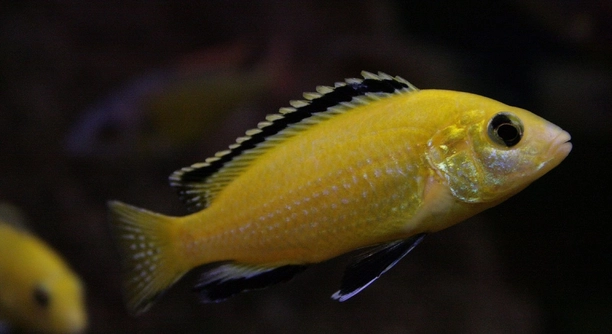
African cichlids are known for their unique behaviors, especially when it comes to protecting their territory. Many aquarists notice these fish guarding areas that appear empty or unused. This behavior often puzzles those who care for them, sparking interest in understanding its purpose.
African cichlids guard empty areas as a strategy to secure their breeding grounds and territory. These spaces serve as buffer zones, reducing the chance of intruders reaching their nests. This territorial guarding is essential for protecting their offspring and ensuring survival.
Exploring this behavior helps clarify how these fish communicate and maintain order in their environment. Understanding these actions can improve care and aquarium management for enthusiasts.
Territorial Behavior in African Cichlids
African cichlids are naturally territorial, especially during breeding seasons. They select specific spots in their environment to guard, even if these areas seem empty. This behavior is not random; it is tied to their instincts to protect potential nesting sites or resources. By defending these zones, they prevent other fish from invading and disrupting their space. This can include flat rocks, caves, or empty patches of the tank substrate. The fish show increased aggression in these areas, signaling their ownership. Understanding this helps explain why cichlids might focus so much energy on what looks like empty space. It is an important aspect of their survival strategy, ensuring that when the time comes to lay eggs, their territory remains safe and undisturbed. This guarding behavior also helps establish a clear hierarchy among tank mates, reducing constant fighting over visible resources.
This territorial guarding helps maintain stability in their environment. It ensures their breeding areas stay protected and gives them a better chance to reproduce successfully.
Watching these behaviors closely can reveal more about their social structure. It also highlights the importance of providing enough space and hiding spots in captivity to reduce stress and conflict.
Environmental Factors Influencing Guarding Behavior
The layout and features of an aquarium can significantly affect how African cichlids behave. When there are clear boundaries or suitable shelters, cichlids feel more secure in marking their territory. Conversely, a tank lacking these features may increase stress and cause more intense guarding of seemingly empty areas. These factors influence not only where they guard but also how fiercely they defend these zones. Proper tank design, including rocks, caves, and plants, can help distribute their attention more evenly, reducing aggressive encounters. Water quality and tank size also impact their comfort and territorial tendencies. When these conditions are optimal, the fish display more natural and less disruptive behaviors. Observing how changes in the environment affect their guarding can guide adjustments that improve the overall well-being of the fish and create a more peaceful aquarium.
Reproductive Instincts and Guarding
Guarding empty areas is closely tied to cichlids’ reproductive instincts. They prepare these spots for spawning, even before eggs are laid. This behavior ensures that the site remains safe and uncontested.
Cichlids often clear an area or maintain its emptiness to attract mates. The empty space becomes a nest or a staging ground for breeding activities. By guarding it, they protect the potential future of their offspring. This behavior is a natural survival tactic, increasing the chances that their young will thrive. The empty area signals readiness and control, discouraging rivals from approaching.
Even when no eggs are present, the guarding continues because the fish are protecting a valuable resource. This anticipatory defense is common among many cichlid species, showing how deeply their instincts influence daily behavior.
Social Dynamics and Territory Size
Territory size varies depending on the social hierarchy within the tank. Dominant cichlids claim larger, more desirable spaces, while subordinate fish accept smaller or less ideal areas. This distribution minimizes conflicts.
The social structure influences how aggressively fish defend their chosen areas. Higher-ranked fish guard more fiercely to maintain their dominance and breeding rights. Subordinate fish may retreat or focus on less contested zones. This balance helps keep overall aggression in check, promoting coexistence. Territory size also depends on tank size and population density. Providing enough space can reduce stress and encourage natural social behavior. Understanding these social dynamics is essential for creating a healthy environment that respects the fish’s instincts and needs.
Why Guarding Empty Areas Matters
Guarding empty areas helps African cichlids control their environment. It keeps potential threats away from important spots. This behavior ensures their safety and the success of their breeding efforts.
By maintaining control over these spaces, cichlids establish clear boundaries. This reduces fights and confusion among tank mates, promoting a more peaceful habitat.
How Tank Setup Influences Guarding
The structure and decoration of the tank directly affect how and where cichlids guard. Rocks, caves, and open spaces create natural territories. These features give fish clear areas to protect, reducing random aggression.
When tanks lack proper hiding spots or clear boundaries, cichlids may become more defensive. A well-organized tank helps balance their guarding behavior and keeps them comfortable.
Common Misunderstandings About Guarding
Guarding empty areas is often mistaken for aggression or aimlessness. It is a purposeful, natural behavior linked to survival and reproduction. Recognizing this helps owners respond appropriately to their fish’s actions.
Tips for Managing Guarding Behavior
Providing enough space and hiding spots in the tank can reduce excessive guarding. Regularly observing interactions helps identify stress points and prevent conflict before it escalates.
FAQ
Why do African cichlids guard areas that look empty?
African cichlids guard empty areas because these spots often serve as potential breeding sites or important territories. Even if there are no eggs or visible resources, the fish treat these spaces as valuable zones that must be protected from intruders. This behavior is part of their natural instinct to ensure the safety of their future offspring and maintain control over their environment.
Is guarding empty areas a sign of stress or illness?
Guarding empty areas is usually not a sign of stress or illness but a natural, healthy behavior. However, excessive aggression or constant guarding without rest might indicate stress caused by overcrowding, poor water quality, or an unsuitable tank setup. It’s important to observe other signs such as loss of appetite, lethargy, or physical damage to determine if the fish is unwell.
How can I reduce aggressive guarding behavior in my cichlids?
To reduce aggressive guarding, provide a larger tank with plenty of hiding spots and natural barriers like rocks or plants. This allows fish to establish their own territories without overlapping too much. Maintaining good water quality and avoiding overcrowding also helps lower stress and reduce territorial aggression.
Do all African cichlid species guard empty areas?
Not all species guard empty areas in the same way. Some species are more territorial and aggressive, while others are more social and less protective of specific spots. The extent of guarding behavior depends on the species’ natural habits, breeding strategies, and social structure.
Can guarding behavior change over time?
Yes, guarding behavior can change based on factors like breeding cycles, tank population, and environment. Cichlids tend to guard more intensely during breeding seasons or when new fish are introduced. As social hierarchies stabilize or conditions improve, the guarding may become less aggressive.
Should I separate cichlids that guard aggressively?
Separating overly aggressive fish can help reduce stress and injury in the tank. If a cichlid is constantly attacking others or causing harm, providing separate spaces or a divided tank can protect weaker fish. However, improving tank conditions often reduces aggression without needing separation.
How does tank size affect guarding behavior?
Smaller tanks often increase territorial disputes because fish have less space to establish their zones. Larger tanks provide more room to spread out, lowering competition and reducing the need for constant guarding. Ensuring adequate space per fish is key to minimizing aggressive behavior.
What role does breeding play in guarding empty areas?
Breeding is a major reason for guarding empty areas. Cichlids prepare and protect these spots for spawning and raising fry. Guarding continues even before eggs are laid, as fish want to secure their territory from rivals and predators to ensure their offspring’s survival.
Are there ways to encourage peaceful coexistence among cichlids?
Yes, careful tank setup with plenty of hiding places, stable water conditions, and balanced population helps. Introducing fish gradually and observing their interactions can prevent dominance issues. Some species are more compatible than others, so research before mixing is important.
What should I do if my cichlids keep fighting over empty spaces?
If fighting persists, try rearranging the tank layout to break up territories. Adding more decorations or caves can provide alternative spaces for fish to claim. In severe cases, reducing the number of fish or separating aggressive individuals may be necessary for the tank’s harmony.
Guarding empty areas is a natural and important behavior for African cichlids. These fish rely on this instinct to protect their territory, especially when preparing for breeding. Even though the areas may look empty to us, they hold great value for the cichlids as safe spaces to raise their young. Understanding this behavior helps us appreciate why they act the way they do and how it fits into their survival strategy. It is not random or aggressive without reason, but a clear effort to control their environment and keep it safe.
Providing a suitable environment plays a key role in managing guarding behavior. A well-decorated tank with enough hiding places and clear boundaries allows cichlids to establish their territories without excessive conflict. The right tank size and setup reduce stress and encourage more natural interactions among fish. When the environment meets their needs, guarding becomes less intense and more balanced. This benefits both the fish and the people caring for them, making the aquarium a more peaceful place to observe these fascinating creatures.
Observing and understanding the guarding habits of African cichlids can improve how we care for them. It reminds us that their actions are deeply tied to survival and reproduction, not just random aggression. By respecting their natural behavior and adjusting their surroundings accordingly, we can support their health and well-being. This knowledge helps us create a better habitat where the fish can thrive, showing us more of their interesting social structure and instincts in action.

Hello,
If you enjoy the content that we create, please consider saying a "Thank You!" by leaving a tip.
Every little bit helps us continue crafting quality advice that supports the health, happiness, and well-being of pets around the world, for pets of all shapes, sizes, and species.
We really appreciate the kindness and support that you show us!