
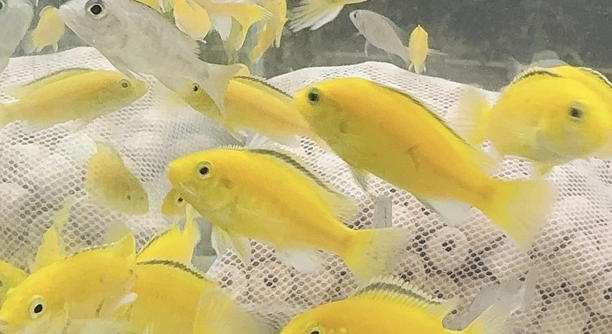
Cichlids are popular aquarium fish known for their bright colors and active behavior. Many fish owners notice these fish often stay close to the heater in the tank. Understanding this behavior can help maintain a healthy environment for them.
Cichlids hover near the heater because they seek a stable, warm temperature that matches their natural habitat. The heater creates a comfortable zone, promoting their metabolism and reducing stress, which supports their overall well-being in captivity.
Learning why cichlids prefer this warm spot can help you create a better home for them. It also reveals important insights about their care and comfort in your aquarium.
Why Cichlids Prefer Warm Water
Cichlids naturally come from warm freshwater environments, such as lakes and rivers in tropical regions. Their bodies are adapted to thrive in temperatures between 75°F and 82°F. When the water is cooler than this range, their metabolism slows down, and they become less active. By staying close to the heater, they maintain their preferred temperature zone, which helps them digest food properly and stay healthy. It also reduces stress because sudden temperature changes can harm them. This behavior is common in many tropical fish species. Watching cichlids hover near the heater is a way for them to regulate their body heat, much like how we seek warmth when it’s cold. Maintaining a steady temperature is important for their immune system to function well and for their overall comfort in the aquarium.
Maintaining the correct water temperature can prevent many health problems in cichlids, including weakened immune response and sluggishness.
Creating a stable temperature environment takes some effort but pays off by keeping your cichlids active and vibrant. Using a reliable heater and a good thermometer helps maintain this balance. It’s best to avoid sudden temperature drops by placing the tank away from drafts or air conditioners. Regularly checking the water temperature will ensure it stays within the ideal range. This consistency helps your fish feel safe and comfortable, reducing the chance of illness. Even small fluctuations can cause stress over time, so steady warmth near the heater is where cichlids feel best.
Signs Your Heater Is Working Well for Your Cichlids
If your cichlids are active and spread throughout the tank, it means the heater is keeping the temperature even. When fish hover only near the heater, it could signal uneven warmth.
To ensure proper heating, place the heater in a spot with good water circulation. This helps distribute heat evenly so the whole tank stays at a stable temperature. Avoid cheap heaters that fluctuate widely, as this can cause stress and illness. Testing the water temperature daily or using a digital thermometer with alerts is helpful. Adjust the heater as needed to keep the water steady. A well-functioning heater helps your cichlids maintain their natural behavior, eat well, and stay healthy. Watching their behavior gives clues about their comfort, so paying attention can prevent problems early.
How Temperature Affects Cichlid Behavior
When water temperature drops, cichlids become less active and may hide more often. Cooler water slows their metabolism, making them sluggish and less likely to eat. This can lead to weakened immune systems and increased vulnerability to disease. Keeping the tank warm helps prevent these issues.
Stable warmth encourages cichlids to swim confidently and explore their environment. They tend to hover near the heater not only for comfort but also to maintain energy levels needed for normal behavior. If the temperature swings too much, they can become stressed, which affects their colors and appetite. Monitoring temperature carefully can improve your fish’s overall health and activity.
Temperature also influences breeding behavior. Cichlids often need warm water to trigger mating instincts. When the temperature is right, they become more territorial and show brighter colors. This natural behavior depends on a consistent heat source, making the heater an essential part of their habitat.
Signs of Temperature Stress in Cichlids
Temperature stress in cichlids can show as faded colors, slow movements, or refusal to eat. These signs indicate the water may be too cold or too hot. Stress weakens their defenses against illness.
If you notice these symptoms, check the heater and thermometer immediately. Adjust the temperature gradually to avoid shock. Adding a reliable heater with an adjustable thermostat can prevent sudden temperature changes. Keeping the environment stable helps your cichlids feel secure. Watch for signs of improved activity and color return after temperature corrections. Consistent monitoring is key to spotting and fixing temperature-related stress early, ensuring your fish remain healthy and vibrant.
Common Heater Placement Mistakes
Placing the heater too close to one side of the tank can cause uneven heating. This makes some areas warmer while others stay cold, causing fish to cluster near the heat source.
Avoid blocking the heater with decorations or plants. Good water flow around the heater helps distribute warmth evenly throughout the tank, creating a comfortable environment for all fish.
Using Thermometers for Accurate Temperature Monitoring
Using reliable thermometers is essential to keep track of water temperature accurately. Stick-on or floating thermometers provide constant readings and help detect temperature shifts quickly. Regularly check these readings to ensure the heater is working properly.
How Water Circulation Impacts Heater Efficiency
Proper water circulation spreads heat evenly. Without good flow, warm water stays near the heater, leaving other areas cooler. Filters and pumps improve circulation, helping maintain a consistent temperature throughout the tank.
Adjusting Heater Settings Gradually
Changing heater settings too quickly can shock your cichlids. Always adjust temperature slowly over several hours to help them adapt without stress.
FAQ
Why do cichlids always stay near the heater?
Cichlids prefer warm water because it matches their natural habitat. The heater keeps the water at a stable temperature, which helps their metabolism and reduces stress. They hover near it to stay comfortable and healthy, especially if the rest of the tank is cooler or the temperature fluctuates.
Is it bad if my cichlids only hang out by the heater?
It can be a sign that the tank’s temperature isn’t evenly distributed. If the water away from the heater is too cold, your cichlids will stay close to the warm spot. This can cause stress over time, so it’s important to check your heater placement and water circulation to keep the tank temperature balanced.
How warm should the water be for cichlids?
Most cichlids thrive between 75°F and 82°F. Keeping the water in this range supports their immune system, digestion, and natural behavior. Temperatures outside this range can cause health problems or stress.
What happens if the water gets too cold?
Cold water slows down cichlids’ metabolism, making them less active and less likely to eat. Prolonged exposure to cold can weaken their immune system and increase the risk of illness. They may also lose color and become stressed.
Can water that’s too warm harm cichlids?
Yes. Water that is too warm can lower oxygen levels and make your cichlids uncomfortable. It may cause increased breathing rates and stress. Keeping the temperature stable and within the recommended range is important to avoid these problems.
How do I know if my heater is working properly?
Use a reliable thermometer to check the water temperature regularly. If the temperature stays steady within the ideal range, the heater is working well. Sudden changes or fluctuations mean the heater might be malfunctioning or the thermostat needs adjustment.
Why do cichlids lose color near the heater?
If cichlids stay too close to a heater that creates a small, overheated area, it can stress them. Stress causes color fading. It’s important to maintain even heat distribution and avoid hot spots to keep your fish vibrant.
What should I do if my cichlids are hiding and not moving near the heater?
Hiding and inactivity often mean stress or illness. Check the water temperature first—if it’s too cold or fluctuating, fix the heater. Also, test water quality and ensure the environment is stable. Stress from poor temperature or water conditions can make fish hide.
Can cichlids tolerate temperature changes during water changes?
Rapid temperature changes during water changes can stress cichlids. Always match the new water temperature to the tank’s current temperature as closely as possible. Adding water slowly and checking the temperature helps prevent shock.
How often should I check the tank temperature?
Daily monitoring is best, especially if your heater doesn’t have an automatic thermostat. Frequent checks allow you to catch temperature drops or spikes early, helping you maintain a stable environment for your cichlids.
Is it necessary to use a heater in all cichlid tanks?
In most cases, yes. Cichlids come from tropical climates, so a heater helps keep the water warm enough for their health. If the room temperature is stable and warm enough year-round, a heater might not be needed, but this is rare.
What’s the best way to prevent temperature stress in cichlids?
Use a good-quality heater with a reliable thermostat. Place it where water flow distributes heat evenly. Monitor the temperature daily and avoid placing the tank in drafty or cold areas. Gradual temperature changes during maintenance also help prevent stress.
Can cichlids survive without a heater in cooler climates?
It’s difficult. Most cichlids need consistent warmth that cooler climates can’t provide without a heater. Without it, they become stressed, weak, and prone to illness. A heater is the safest way to ensure they thrive.
How does water circulation affect the heater’s performance?
Good water circulation spreads heat throughout the tank, preventing hot or cold spots. Filters, pumps, or air stones improve flow, making the heater more effective at maintaining stable temperature.
Can I use multiple heaters in a large cichlid tank?
Yes, using two heaters in a large tank can help maintain even temperature distribution. Place them on opposite sides with good water circulation to avoid temperature differences. Make sure both heaters are the same wattage and have reliable thermostats.
What temperature should I set my heater for cichlids?
Set your heater between 78°F and 80°F for most cichlids. This range is comfortable and safe for their metabolism and immune health. Adjust based on species specifics if needed, but avoid sudden or large changes.
How quickly should I raise or lower the temperature in my tank?
Change the temperature gradually, about 1-2 degrees per day. Sudden shifts can shock your cichlids, causing stress or illness. Slow adjustments help them adapt smoothly to new conditions.
Are there signs that my heater is too strong?
If the heater overheats the water or creates hot spots, fish may avoid those areas or show signs of stress, like rapid breathing or faded colors. Use a thermostat and monitor temperatures closely to prevent overheating.
Can temperature affect cichlid breeding?
Yes, temperature influences breeding behavior. Warmer, stable water encourages spawning, territoriality, and parental care. Cold or fluctuating temperatures can stop breeding and reduce fertility. Maintaining the right heat level supports natural reproduction.
Caring for cichlids means understanding their need for a stable, warm environment. These fish come from tropical waters where temperatures are consistent, so keeping your aquarium within their ideal range is important. The heater plays a key role in this by providing steady warmth. When cichlids gather near the heater, it shows they are seeking comfort and the right temperature to stay healthy. Keeping the water temperature steady helps support their metabolism, encourages natural behavior, and reduces stress that can lead to illness. It is one of the most important factors in creating a suitable home for your fish.
Making sure the heater works well and is placed correctly will improve your cichlids’ quality of life. It’s important to avoid common mistakes like poor heater placement or blocked water flow, which can cause uneven heating. Good water circulation helps spread the heat evenly, so all parts of the tank stay warm. Checking the temperature daily with a reliable thermometer gives you peace of mind and allows you to fix problems early. Remember, sudden changes in temperature are harmful, so any adjustments should be made slowly. This attention to detail helps your cichlids feel safe and behave naturally.
Ultimately, the comfort and health of your cichlids depend on stable, warm water. Paying attention to how your fish act near the heater can give you clues about their comfort level. By maintaining the right temperature and ensuring proper heater function, you create an environment where your cichlids can thrive. This care also supports their vibrant colors, active swimming, and even breeding behaviors. Keeping a consistent, warm tank is a simple but powerful way to enjoy healthy, happy cichlids for years to come.

Hello,
If you enjoy the content that we create, please consider saying a "Thank You!" by leaving a tip.
Every little bit helps us continue crafting quality advice that supports the health, happiness, and well-being of pets around the world, for pets of all shapes, sizes, and species.
We really appreciate the kindness and support that you show us!