
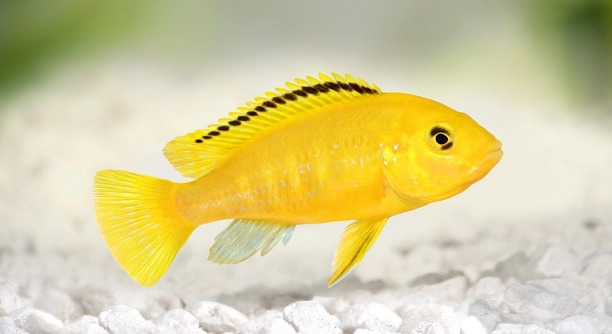
African cichlids are popular aquarium fish known for their bright colors and lively behavior. Many fish owners often notice their cichlids appearing wide awake even at night. Understanding their sleep habits can help provide better care for these fascinating creatures.
African cichlids do sleep, but they keep their eyes open while resting. Unlike humans, these fish do not have eyelids, so their eyes remain open even during periods of rest. This is a natural adaptation that helps them stay alert to their environment while sleeping.
Learning how these fish rest can improve how you care for them and recognize their normal behavior. This knowledge benefits both new and experienced aquarium enthusiasts.
Why African Cichlids Keep Their Eyes Open While Sleeping
African cichlids don’t close their eyes because they lack eyelids, a trait common to many fish. This means their eyes stay open even when they are resting or sleeping. Keeping their eyes open helps them stay alert to potential threats or changes in their surroundings. In the wild, this is important for survival, as they need to quickly react to predators. At the same time, they do enter a state of rest, where their activity slows down, and their body recovers. It can be tricky for fishkeepers to tell when a cichlid is sleeping because they don’t show the same signs as mammals or birds. They often find quiet spots in the tank or hide among rocks and plants when they rest. Knowing this can help you recognize normal behavior and understand when your fish is relaxed or stressed.
Fish sleep patterns vary by species, but African cichlids tend to rest during the night or in low light conditions.
Understanding this helps improve how you care for your fish and create a comfortable environment for them.
How to Recognize When Your African Cichlid Is Resting
African cichlids show subtle signs when resting. They may stay still near the bottom or among decorations. Their movements slow, and they may become less responsive to taps or noises. However, their eyes remain open. Observing these behaviors helps ensure they are healthy and not stressed. You can support their rest by keeping a consistent light cycle, providing hiding spots, and avoiding sudden disturbances during their resting hours. Creating a calm environment helps your fish rest better and stay healthy.
Common Misconceptions About African Cichlid Sleep
Many people think fish sleep like humans do, with eyes closed and deep rest. African cichlids, however, don’t close their eyes, which can make it seem like they never sleep. This leads to confusion about their behavior and health.
The open eyes of African cichlids often make fish owners worry that the fish are always alert or stressed. But this is simply how they rest. Their brains enter a lighter sleep state, allowing them to stay aware of their surroundings. This adaptation is useful for survival in nature, as it helps them detect danger even while resting. Unlike mammals, their sleep is less deep and more about conserving energy than unconscious rest.
Because they don’t close their eyes, some owners mistake resting cichlids for sick or anxious fish. Learning to recognize their quiet behavior, slower movements, and preference for sheltered areas will help you know when your fish is resting properly.
Tips for Creating a Restful Environment for African Cichlids
Providing a stable day-night cycle is essential for your cichlid’s rest. Use a timer to keep lights on and off at the same times each day. This consistency supports their natural rhythms and encourages regular rest.
Hiding places, like caves, plants, or rocks, give your fish safe spots to rest. These areas help reduce stress and make them feel secure while sleeping. Avoid sudden loud noises or rapid changes in the tank environment, as these can disturb their rest and cause stress. Regular tank maintenance is also important; clean water helps keep your cichlids healthy and calm. When your fish have the right conditions, they will rest better and show healthier behavior overall.
How African Cichlids Rest in the Wild
In their natural habitat, African cichlids find quiet spots among rocks or plants to rest. These hiding places offer protection from predators while they are less active. They rely on staying alert even while resting, which explains why their eyes stay open.
Resting with open eyes allows cichlids to quickly respond to threats. This behavior is essential for survival in the wild, where danger can come at any time. Their bodies slow down, but their senses remain sharp.
Nighttime Behavior of African Cichlids
At night, African cichlids reduce their activity and stay near shelter. Their breathing slows, and they become less responsive, showing signs of rest despite open eyes. This quiet time is important for recovery and health.
Signs of Healthy Rest in African Cichlids
Healthy cichlids show calm behavior and use hiding spots regularly during rest periods. Their body color remains vibrant, and they respond normally when awake, indicating good health and proper rest.
FAQ
Do African cichlids really sleep if their eyes stay open?
Yes, African cichlids do sleep even though their eyes remain open. Unlike humans, fish don’t have eyelids, so they cannot close their eyes. Instead, they enter a restful state where their body and brain slow down, but their eyes stay open to stay alert to their surroundings.
How can I tell if my African cichlid is sleeping?
You can tell your cichlid is sleeping when it stays still, moves very little, and hides in a safe spot like behind rocks or plants. Their breathing rate slows, and they may not respond immediately to outside disturbances. These signs mean the fish is resting, even with eyes open.
Is it normal for African cichlids to rest during the day?
While African cichlids are mostly active during the day, they can take short rests or naps in quieter moments. However, their main rest usually happens during nighttime or when the tank lights are off or dimmed.
Can a fish get stressed if it doesn’t get enough rest?
Yes, lack of proper rest can stress African cichlids. Stress affects their immune system, making them more prone to illness. Providing a calm environment with regular light cycles and hiding spots helps reduce stress and promotes better rest.
Do African cichlids need a dark environment to sleep?
They do best with a regular light and dark cycle, mimicking natural conditions. Darkness or low light signals them it’s time to rest. Sudden or constant bright light can disturb their rest and cause stress, so turning off aquarium lights at night helps them sleep.
Why do some African cichlids hide more than others when resting?
Different species and individual fish have varying behaviors. Some cichlids feel safer hiding while resting, while others rest in open areas. Providing hiding spots lets your fish choose where they feel most comfortable to rest.
Can African cichlids sleep while swimming?
Yes, they can enter a restful state while slowly swimming or floating. Their body functions slow down even if they move slightly. This behavior is less common but normal in a calm and safe environment.
How long do African cichlids sleep?
African cichlids usually rest for several hours each night, similar to many other fish. The exact duration can vary by species, tank conditions, and individual needs, but they generally have consistent rest periods tied to the day-night cycle.
What happens if my cichlid never seems to rest?
If your cichlid is constantly active and never resting, it may be stressed or ill. Check the water quality, tank conditions, and whether there are disturbances in the environment. Improving these factors usually encourages normal rest behavior.
Is it harmful if my cichlid’s eyes look cloudy during rest?
Cloudy eyes are not normal and can indicate illness or poor water quality. If you notice this, test the tank water and consider consulting a vet or aquarium expert. Healthy cichlids have clear, bright eyes, even while resting.
Can African cichlids rest together or do they prefer solitude?
Many African cichlids are social and rest near others, but some prefer their own space to feel secure. Observing your fish helps you understand their preferences. Providing enough hiding spots allows both social and solitary resting behavior.
Does tank size affect how well African cichlids rest?
Yes, a properly sized tank with enough space and hiding spots supports better rest. Overcrowded or small tanks can cause stress, reducing rest quality. Giving your fish room to find peaceful areas helps maintain their health.
Are there specific signs that indicate my cichlid isn’t resting well?
Signs include constant swimming without pause, rapid breathing, hiding too much, or appearing agitated. These may mean stress, illness, or poor tank conditions. Addressing these issues can improve their rest and overall well-being.
How important is water temperature for African cichlid rest?
Water temperature influences metabolism and comfort. Too hot or too cold water can stress fish and affect sleep quality. Keeping temperature stable within the ideal range for your species supports natural rest cycles.
Can lighting timers help improve cichlid sleep?
Yes, using timers ensures consistent light and dark periods, which help regulate your cichlids’ internal clock. Regular schedules reduce stress and promote predictable resting habits, making your fish healthier.
Is it normal for African cichlids to be less active during breeding?
During breeding or caring for eggs, some cichlids rest more or stay hidden to protect their territory. This behavior is natural and temporary. After breeding, their activity usually returns to normal.
This FAQ covers many common concerns about African cichlid sleep habits and care. Understanding these details helps maintain a healthy and happy aquarium.
African cichlids have unique sleeping habits that may seem unusual compared to other animals. They do sleep, but because they don’t have eyelids, their eyes stay open even when resting. This natural behavior helps them stay alert to their surroundings and protect themselves from danger. Knowing this can prevent confusion and help fishkeepers better understand what is normal for these fish. Recognizing the signs of rest, like slow movement and hiding, allows you to be more confident that your cichlids are healthy and comfortable in their environment.
Creating a good environment for African cichlids to rest is important. Keeping a consistent light and dark schedule mimics their natural habitat and encourages regular sleep cycles. Providing hiding places like rocks or plants gives them safe spots to relax. Avoiding sudden noises or bright light during their rest time helps reduce stress and allows for better sleep. Healthy rest supports their immune system and overall well-being, which can lead to longer life and better colors. Paying attention to these details makes a big difference in how your fish behave and feel.
It is also helpful to remember that each cichlid may have slightly different habits and preferences. Some may rest more openly, while others prefer quiet, hidden areas. Observing your fish over time helps you understand their needs and adjust their environment accordingly. When your African cichlids are well rested, they will show more natural activity, healthier appearance, and less stress. Taking the time to learn about their sleeping behavior and creating the right conditions will lead to a happier aquarium for both you and your fish.

Hello,
If you enjoy the content that we create, please consider saying a "Thank You!" by leaving a tip.
Every little bit helps us continue crafting quality advice that supports the health, happiness, and well-being of pets around the world, for pets of all shapes, sizes, and species.
We really appreciate the kindness and support that you show us!