
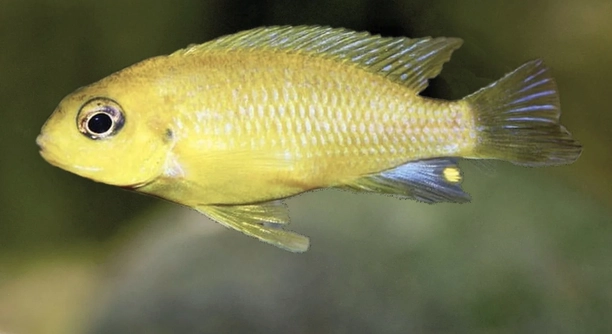
African cichlids are popular freshwater fish known for their bright colors and active behavior. Many owners notice these fish often swim up and down their tanks, moving with constant energy. This motion can seem curious to anyone watching them closely.
African cichlids swim up and down primarily due to their territorial behavior and need to explore their environment. This vertical movement helps them establish dominance, search for food, and monitor changes in water conditions to maintain their health and safety.
Understanding why African cichlids move this way can improve how you care for them. This insight will help you create a better environment that suits their natural habits and keeps them happy.
Understanding African Cichlid Behavior
African cichlids have complex behaviors shaped by their natural habitats in lakes and rivers across Africa. Their swimming up and down is often linked to their instinct to patrol their territory. In the wild, they constantly monitor for threats or intruders, and this movement helps them stay alert. It also allows them to find food and suitable spots for hiding or resting. Watching them closely, you might notice they use different levels of the tank depending on their mood or social status. Dominant fish often claim the best areas, while others explore different levels to avoid conflicts. This vertical swimming is a natural and important part of their daily routine that keeps them active and engaged. Tank setup, including plants, rocks, and open swimming space, can influence how much they swim up and down, mimicking their natural environment.
African cichlids swim vertically to explore and maintain their territory in the tank.
Providing a well-structured environment helps these fish express their natural behaviors. Vertical movement also assists with oxygen intake since different water layers can have varying oxygen levels. By understanding this, tank owners can improve water circulation and oxygen levels to support healthy fish activity and overall well-being.
Tank Conditions and Their Effects
Tank conditions directly affect how often and why African cichlids swim up and down.
Water quality, temperature, and oxygen levels influence cichlid behavior significantly. If the water isn’t ideal, they may swim more actively in search of better conditions. Poor water quality can cause stress, leading to excessive movement as they try to avoid areas with low oxygen or higher toxins. Temperature changes also make fish swim differently because their metabolism adjusts with warmth or cold. Strong water currents or inadequate tank size can push them to swim more vertically as they move around obstacles or seek calm spots. Maintaining clean water, stable temperature, and proper tank size reduces unnecessary stress and helps cichlids settle into normal swimming patterns.
Improving tank conditions is key to reducing stress-related swimming behaviors. Regular water changes and good filtration keep the environment stable. Adding plants or rocks offers shelter and resting places, helping fish feel secure. Watching how they use the tank space gives clues to their comfort and health. Keeping conditions consistent supports their natural swimming habits and encourages calm behavior.
Feeding and Swimming Patterns
African cichlids often swim up and down while searching for food. This movement helps them find food particles floating or hiding at different tank levels.
Their diet in the wild includes small insects, plants, and algae found at various depths. In captivity, they look for flakes, pellets, or live food across the tank. This constant movement makes sure they don’t miss a meal and keeps them active. Watching them during feeding times can show you how they explore the tank vertically to find food.
Overfeeding can cause extra swimming as fish try to digest or compete for space. Feeding smaller amounts multiple times a day supports their natural feeding pattern and keeps swimming behavior normal.
Social Interaction and Hierarchy
Cichlids use swimming to communicate with each other and maintain social order in the tank. They display dominance by swimming confidently at different heights.
Territorial fish often swim up and down to mark their space and warn others to keep away. This behavior helps reduce fights by establishing clear boundaries. Submissive fish swim lower or avoid the dominant fish’s level to stay safe. Social swimming patterns change depending on the group size and tank layout. Providing enough hiding spots and space lets fish move freely without stress.
Watching how your cichlids swim can tell you a lot about their relationships. If you notice excessive chasing or aggression, adjusting the tank setup or fish count may improve harmony.
Health and Stress Indicators
Changes in swimming patterns can signal health or stress issues. If African cichlids swim erratically or stay at the surface, it may mean something is wrong.
Stress can come from poor water quality, overcrowding, or sudden changes. Paying attention to their movement helps catch problems early and keep them healthy.
Water Quality and Oxygen Levels
Water quality directly affects how cichlids swim. Low oxygen levels cause them to swim near the surface where oxygen is higher. Poor water conditions can make them restless or lethargic.
Regular testing and maintenance of water parameters like pH, ammonia, and nitrate levels ensure a healthy environment. Proper aeration and filtration improve oxygen circulation, supporting normal swimming behavior and overall well-being.
Tank Layout and Space
A spacious tank with varied decorations allows natural vertical swimming. Limited space can restrict movement, causing stress or aggression.
Changing the layout occasionally keeps fish curious and active, supporting their natural behavior.
Observing Behavior Regularly
Watching your cichlids often helps you notice any changes in swimming. Early observation is key to prompt care and maintaining a healthy tank.
FAQ
Why do African cichlids swim up and down so much?
African cichlids swim up and down mainly because they are exploring their environment and establishing territories. This vertical movement helps them stay alert to other fish, find food, and monitor water conditions. It is a natural behavior linked to their instinct to patrol different parts of their habitat.
Is constant vertical swimming a sign of stress?
Not always. Some vertical swimming is normal, but if it becomes frantic or erratic, it could indicate stress. Stress may come from poor water quality, overcrowding, or sudden changes in the tank. Watch for other signs like loss of appetite or hiding to determine if stress is a problem.
How can I reduce excessive swimming in my cichlids?
Improving tank conditions helps reduce excessive swimming. Make sure the water quality is good by testing and performing regular water changes. Avoid overcrowding the tank, and provide plenty of hiding places. Feeding smaller amounts multiple times a day can also reduce restless movement.
Do different species of African cichlids swim differently?
Yes, different species have unique behaviors. Some prefer staying near the bottom while others explore all levels of the tank. Their swimming patterns depend on their natural habitat and social structure. Knowing your species’ behavior helps you understand their movement better.
Can swimming up and down be related to breeding behavior?
Yes, during breeding, cichlids often swim vertically to show dominance and attract mates. Males may display more by swimming at higher levels to impress females. They also guard their nests, which can involve frequent vertical movement near rocks or plants.
Should I change the tank setup if my cichlids swim too much?
Adjusting the tank can help. Adding more decorations like rocks and plants gives fish places to rest and hide, reducing stress. A spacious tank allows natural swimming without restriction. Changing the layout occasionally also keeps the fish engaged and less anxious.
Is vertical swimming affected by tank water temperature?
Yes, temperature impacts metabolism, which affects swimming. Warmer water makes cichlids more active, increasing their swimming. Cooler water slows them down. Keeping the tank temperature stable and suitable for the species supports healthy activity levels.
How often should I feed my African cichlids to support natural swimming?
Feeding smaller portions two to three times daily matches their natural feeding habits and helps keep swimming behavior normal. Overfeeding can cause restlessness and water quality problems, leading to more erratic swimming. Balanced feeding supports both health and activity.
Can vertical swimming indicate a problem with oxygen levels?
Yes, if oxygen is low, cichlids swim near the surface where oxygen concentration is higher. Signs include gasping or staying at the top for long periods. Improving aeration and water circulation usually solves this issue and promotes even swimming throughout the tank.
What should I do if my cichlids stop swimming up and down?
If they become inactive or hide most of the time, it might be a health issue. Check water quality, temperature, and look for signs of illness like discoloration or clamped fins. If problems persist, consulting a vet or fish specialist can help identify the cause.
African cichlids are fascinating fish with unique behaviors that include swimming up and down in their tanks. This movement is part of how they interact with their environment and other fish. It helps them explore their territory, find food, and communicate with each other. Understanding this behavior can give you a better appreciation for your fish and their needs. It also helps you create a more comfortable and healthy space for them to live.
Keeping African cichlids happy means paying attention to their swimming habits. When you notice them swimming up and down often, it usually shows they are active and alert. However, changes in their swimming style can indicate stress or health problems. Maintaining good water quality, providing enough space, and offering a balanced diet are important steps to support their natural behavior. Adding decorations like rocks and plants gives them places to hide and rest, which reduces stress and encourages natural movement. These simple actions improve their well-being and help prevent unwanted problems.
Watching your African cichlids closely over time lets you learn their normal behavior. This makes it easier to spot any changes that might signal an issue. Remember that every tank and group of fish is different, so some variation in swimming patterns is normal. By keeping the tank clean, stable, and well-arranged, you support the fish’s health and natural instincts. In the end, understanding why African cichlids swim up and down helps you care for them better and enjoy their lively presence in your home.

Hello,
If you enjoy the content that we create, please consider saying a "Thank You!" by leaving a tip.
Every little bit helps us continue crafting quality advice that supports the health, happiness, and well-being of pets around the world, for pets of all shapes, sizes, and species.
We really appreciate the kindness and support that you show us!