
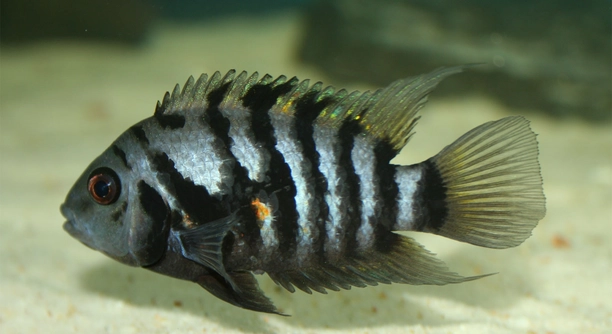
Cichlids are popular aquarium fish, admired for their vibrant colors and interesting behaviors. Despite their popularity, many misconceptions about them persist among hobbyists and enthusiasts alike. Understanding these myths is important for proper care and appreciation.
Several common misconceptions about cichlids include beliefs that they are overly aggressive, require complex care, or cannot live peacefully with other fish. These misunderstandings often lead to improper treatment and limit the enjoyment of keeping these species.
Learning the truth about these myths will help improve how cichlids are cared for and enhance the overall aquarium experience. This article clarifies key points for better understanding and enjoyment.
Cichlids Are Always Aggressive
Many people believe cichlids are naturally aggressive and difficult to keep with other fish. While some species can show territorial behavior, aggression varies widely among cichlids. Their behavior depends on species, tank size, environment, and social structure. Proper tank setup with enough hiding spaces can reduce conflict significantly. Many cichlids live peacefully when given adequate space and companions suited to their temperament. Understanding each species’ specific needs helps maintain harmony. Overcrowding or poor conditions often increase aggression, not the fish’s nature. Careful planning and observation allow for a balanced community tank. Aggression should not be assumed as a fixed trait but managed through proper care.
Aggression in cichlids is influenced more by environment than species. Proper care minimizes problems.
Aggressive behavior is often a response to stress or lack of territory. Giving cichlids enough space and hiding spots helps reduce conflicts. Keeping compatible species together also improves peace. Choosing fish with similar temperaments and providing ample room encourages natural social behavior. Monitoring interactions and adjusting the tank as needed keeps aggression under control. When aggression occurs, it is often manageable with changes to the environment rather than removing the fish altogether.
Cichlids Require Advanced Care
Many believe cichlids demand complex care and special equipment. While some species need precise water conditions, most are adaptable and hardy. Basic aquarium maintenance such as regular water changes and proper feeding often suffice. Cichlids thrive in clean water with stable temperature and pH levels suited to their species. Their diet varies, but many accept common fish foods supplemented with fresh or frozen items. With basic knowledge of their needs, keeping cichlids is achievable for many hobbyists. They are not reserved only for experts but require consistent care like any fish. Proper setup and routine help maintain healthy fish with vibrant colors and active behavior.
Cichlids thrive with consistent, basic care. Understanding their environment keeps them healthy.
Routine care like water testing and cleaning is essential but not complicated. Choosing the right substrate, plants, and hiding places supports natural behavior. Knowing species-specific needs for diet and water conditions prevents common health problems. Simple adjustments based on observation ensure their wellbeing. Cichlids are generally resilient, and many adapt well to home aquariums. This makes them accessible for a broad range of fishkeepers when given attention and proper environment.
Cichlids Cannot Live with Other Fish
Cichlids are often thought to be incompatible with other fish. While some species are territorial, many can coexist well with the right tank mates. Careful selection and tank setup are essential for success.
Choosing compatible species reduces conflicts. Peaceful cichlids like angelfish or keyhole cichlids often live well with non-aggressive fish. Avoid overcrowding and provide plenty of hiding spots. Monitoring fish behavior helps identify potential issues early. Aggression usually decreases when fish have space to establish territories. Introducing fish at the same time can also help minimize bullying. It’s not true that all cichlids must be kept alone; many thrive in community tanks with proper management.
Tank conditions affect compatibility. A large tank with diverse hiding places allows different species to coexist comfortably. Selecting fish with similar water requirements also supports harmony. Mixing aggressive species with peaceful ones often causes stress and fights. Understanding specific species behavior and tank dynamics is key. With attention and care, cichlids and other fish can share an aquarium peacefully, challenging the misconception that cichlids are always unsuitable tank mates.
Cichlids Always Need Large Tanks
Many believe cichlids always require very large tanks. While space is important, tank size depends on species and number of fish. Some cichlids are small and manageable in moderate-sized aquariums.
Small species like shell dwellers or dwarf cichlids need less space but still require proper hiding spots and territory. Larger or more aggressive species need bigger tanks to prevent stress and fighting. Overstocking causes problems regardless of tank size.
Tank size should be balanced with fish behavior and number. Providing adequate space helps reduce aggression and promotes healthy growth. Smaller tanks with too many cichlids lead to poor water quality and stress. Correct tank size varies by species but is important for maintaining a stable environment. Careful planning ensures cichlids thrive without excessive tank demands.
Cichlids Are Difficult to Breed
Breeding cichlids is often seen as complicated. However, many species breed readily in home aquariums with the right conditions.
Providing clean water, proper diet, and a suitable environment encourages breeding. Some cichlids are even known for their ease of reproduction when stress is low.
Cichlids Only Eat Live Food
Cichlids do not rely solely on live food. They have diverse diets including flakes, pellets, frozen, and fresh foods.
Feeding a balanced diet that meets nutritional needs is important. Live food can be a supplement but is not always necessary for healthy growth and coloration.
Cichlids Are Low Maintenance
Cichlids require regular care like any other fish. Cleaning, water changes, and monitoring water quality are necessary to keep them healthy.
Ignoring maintenance leads to stress, disease, and shortened lifespan. Consistent care helps cichlids thrive and display their full colors and behaviors.
What should I feed my cichlids?
Cichlids have varied diets depending on their species. Most accept high-quality pellets or flakes formulated for cichlids as a staple. Supplementing with frozen or live foods such as brine shrimp, bloodworms, or daphnia helps provide variety and essential nutrients. Some species benefit from vegetable matter like spirulina or blanched vegetables. Avoid overfeeding to maintain water quality and fish health. Feeding small amounts twice a day is generally best.
How often should I change the water?
Regular water changes are important for cichlid health. Changing 20-30% of the water weekly is recommended. This removes waste, toxins, and excess nutrients that build up. Avoid changing too much water at once, as it can stress the fish. Using a water conditioner to remove chlorine and chloramines before adding new water is essential. Monitoring water parameters helps determine if more frequent changes are needed.
Can cichlids live with other types of fish?
Cichlid compatibility with other fish varies by species. Peaceful cichlids can live with other non-aggressive fish that share similar water requirements. Avoid placing aggressive cichlids with small, timid fish to prevent bullying. Providing plenty of hiding spaces and a spacious tank reduces territorial disputes. Researching each species’ temperament and tank needs helps create a harmonious community.
How do I reduce aggression in my cichlid tank?
Aggression often results from stress, overcrowding, or poor tank setup. To reduce aggression, ensure the tank is large enough for all fish to have their own territory. Add plants, rocks, and caves for hiding spots. Keep species with similar temperaments together. Avoid sudden changes in the environment or adding new fish too quickly. Feeding fish adequately can also help reduce competition.
What is the best tank size for cichlids?
Tank size depends on species and number of cichlids. Smaller species like dwarf cichlids may be comfortable in tanks of 20-30 gallons. Larger or more aggressive species generally require tanks of 55 gallons or more. Overstocking leads to poor water quality and aggression. Planning tank size based on adult fish size and behavior ensures a healthy environment.
Do cichlids need special water conditions?
Water conditions vary by species but generally include stable temperature, pH, and hardness. Most cichlids prefer temperatures between 75-82°F. pH can range from slightly acidic to alkaline depending on the species’ natural habitat. Consistency is key, as sudden changes stress fish. Testing water regularly and adjusting as needed helps maintain a healthy environment.
How do I know if my cichlid is healthy?
Healthy cichlids display bright colors, clear eyes, and smooth scales. They swim actively and eat well. Signs of illness include lethargy, loss of appetite, faded colors, or unusual spots and marks. Regular observation helps catch problems early. Quarantining new fish before adding them to the tank reduces disease risk.
Can cichlids live long in home aquariums?
With proper care, many cichlids live for 8-10 years or more. Maintaining clean water, balanced diet, and a stress-free environment supports longevity. Avoid overcrowding and aggressive tank mates. Providing a suitable habitat that mimics their natural environment encourages healthy growth and longer life.
Is breeding cichlids difficult?
Breeding cichlids varies by species but is generally achievable in home aquariums. Many cichlids readily breed when provided clean water, proper diet, and suitable spawning sites. Some species are mouthbrooders, protecting their young in their mouths. Others lay eggs on flat surfaces. Researching the specific species helps prepare for breeding success.
What are common diseases in cichlids?
Common diseases include ich (white spot disease), fin rot, and bacterial infections. These often result from stress, poor water quality, or injury. Quarantining new fish, maintaining clean water, and avoiding overcrowding reduce disease risks. Treatment depends on the illness but may include medication or improved tank conditions. Early detection is important for successful recovery.
Caring for cichlids can be a rewarding experience when misconceptions are cleared up. These fish offer a wide range of colors, behaviors, and personalities that make them popular in home aquariums. Understanding their true needs and characteristics is important to provide the right environment. Many myths, such as cichlids being always aggressive or requiring advanced care, do not apply to all species. Taking the time to learn about specific types helps avoid common mistakes and promotes healthier, happier fish. With proper care, cichlids can thrive and bring enjoyment to any aquarium setup.
Proper tank size, water conditions, and diet are key factors in maintaining cichlids successfully. Not every cichlid requires a huge tank or special equipment. Smaller species can do well in moderate-sized tanks if their needs are met. Regular water changes and good filtration maintain water quality, which is essential for their health. Feeding a balanced diet that includes pellets, flakes, and occasional live or frozen food supports their growth and coloration. Observing fish behavior and adjusting the environment as needed prevents aggression and stress. These practical steps make caring for cichlids manageable for many fishkeepers.
Breeding cichlids is not always difficult, and some species are quite easy to breed in captivity. Creating a stable and clean environment with appropriate hiding places encourages natural behaviors. Breeding can be a fulfilling part of keeping cichlids, offering insight into their life cycles. However, success depends on understanding the species’ requirements and being patient. Preventing disease and providing regular care ensures longevity for both adults and fry. Overall, cichlids are adaptable and rewarding fish that fit well in many home aquariums when their true needs are respected.

Hello,
If you enjoy the content that we create, please consider saying a "Thank You!" by leaving a tip.
Every little bit helps us continue crafting quality advice that supports the health, happiness, and well-being of pets around the world, for pets of all shapes, sizes, and species.
We really appreciate the kindness and support that you show us!