
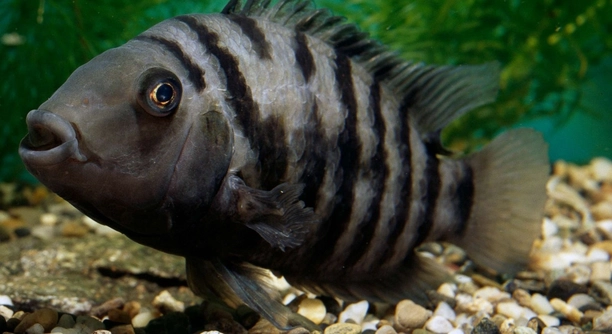
Cichlids are popular aquarium fish known for their vibrant colors and active behavior. Watching them interact can be fascinating, but sometimes it’s hard to tell if they are fighting or mating. Understanding these behaviors helps keep your tank peaceful and healthy.
Cichlids show distinct signs when fighting or mating. Fighting involves aggressive chasing, biting, and flared fins, while mating behavior includes cleaning surfaces, gentle nudging, and close swimming. Recognizing these cues helps differentiate between conflict and reproduction.
Learning these behaviors can improve your aquarium care and support your fish’s well-being. This article will guide you through the key signs to watch for in your cichlids’ interactions.
Signs That Cichlids Are Fighting
When cichlids fight, the behavior is usually aggressive and intense. You might see them chase each other around the tank quickly, with their fins spread wide to look bigger. Biting is common, and they may even shake their heads or lock jaws. The fish often display bright colors during fights to intimidate opponents. Sometimes, one cichlid will try to corner another near decorations or plants. This kind of behavior is stressful for both fish and can lead to injuries if not managed. It’s important to watch closely, especially when introducing new fish to an established tank. Aggression may happen more often during breeding season or when the tank is too small for all the cichlids.
Aggressive fighting usually lasts a short time but can leave lasting effects. Keeping plenty of hiding spots helps reduce conflicts.
By recognizing these signs early, you can separate aggressive fish before the situation worsens and keep your aquarium peaceful.
Signs That Cichlids Are Mating
Mating behavior in cichlids is calmer and more deliberate compared to fighting. During this time, you may notice pairs cleaning flat surfaces like rocks or tank glass. They swim closely together, sometimes touching gently with their bodies or mouths. The male may display bright colors to attract the female’s attention, but this display is more about courtship than aggression. Unlike fighting, mating involves less chasing and no biting. The fish might stay near their chosen nesting site for several days, protecting it from other tank mates. Watching this behavior can be interesting because it shows a different side of cichlid interactions.
Recognizing mating behaviors helps you provide the right environment for breeding and avoid confusing these actions with aggression.
How to Manage Fighting Cichlids
Separating aggressive cichlids is often necessary to prevent injury. Providing enough space and hiding spots reduces tension in the tank.
To manage fighting, make sure the tank is large enough for all fish to have their own territory. Adding decorations like rocks and plants creates hiding places where fish can retreat. Sometimes rearranging the tank layout helps reset territorial boundaries and lowers aggression. Keep an eye on the most aggressive individuals and consider moving them to a separate tank if fights persist. Avoid overcrowding, as too many fish increase stress and aggression.
Using a peaceful tank setup and proper fish selection can reduce conflicts. Introduce new cichlids slowly and watch their interactions closely during the first few days. This careful approach helps maintain balance and peace in your aquarium.
Creating a Breeding-Friendly Environment
Maintaining clean water and stable conditions encourages cichlids to mate. Clear surfaces for nesting are essential for successful breeding.
A breeding-friendly environment includes slightly warmer water and consistent temperature, which can stimulate spawning behavior. Keep the tank clean by performing regular water changes and monitoring water parameters. Flat, smooth surfaces like slate or broad leaves give cichlids ideal places to lay eggs. Providing a calm atmosphere without sudden changes helps reduce stress and increases the chances of mating. Separating breeding pairs from aggressive tank mates protects eggs and fry from harm. This setup supports healthy reproduction and improves survival rates.
Understanding Cichlid Body Language
Cichlids use their body language to communicate clearly. Watching their fins, colors, and movements gives clues about their mood.
Bright colors and flared fins usually signal aggression or dominance. Calm, gentle movements often show mating or peaceful behavior.
Common Mistakes That Cause Fighting
Overcrowding is a major cause of fighting in cichlid tanks. Too many fish lead to stress and territorial disputes.
Another mistake is mixing incompatible species or sexes, which can increase aggression. Not providing enough hiding spots also raises tension among cichlids.
When to Intervene
Intervene if fights cause injuries or last too long. Prolonged aggression harms fish health.
Separating aggressive fish early can prevent serious harm and restore peace in the tank.
Benefits of Observing Behavior
Careful observation helps identify issues early and improves tank management.
FAQ
How can I tell if cichlids are fighting or just playing?
Cichlid play looks less intense than fighting. When playing, movements are slower and less aggressive. Fish don’t chase each other with flared fins or bite. Fighting involves chasing, biting, and bright colors shown to intimidate. Play is usually brief and doesn’t cause damage.
What are the signs of a serious fight?
Serious fights have constant chasing, biting, and visible injuries like torn fins or wounds. Fish might hide more after a fight or seem stressed. If you see one fish repeatedly attacking another, it’s time to intervene.
Can mating behavior look like fighting?
Yes, sometimes it can be confusing. Mating may include chasing and showing bright colors, but there is no biting or injury. Fish clean a flat surface together and stay close calmly. Fighting is more chaotic and aggressive.
How long do cichlid fights usually last?
Fights can last from a few seconds to several minutes. Most aggressive bursts are short but may repeat often. If fights go on without breaks or cause harm, it’s a sign of serious aggression.
What should I do if my cichlids keep fighting?
Try increasing tank space and adding hiding spots like rocks or plants. Rearranging decorations helps break territories. Remove the most aggressive fish if problems continue. Make sure you don’t overcrowd the tank or mix incompatible species.
Is it normal for cichlids to fight during breeding?
Yes, breeding season can increase aggression. Males defend nesting sites fiercely. This behavior is natural but can stress other tank mates. Providing separate breeding tanks or hiding places helps reduce stress.
How do I create a safe environment for mating?
Keep water clean and stable with regular changes. Provide flat surfaces like slate or broad leaves for egg laying. Maintain a calm atmosphere with little disturbance. Separate breeding pairs if other fish become aggressive.
Can I prevent fights by choosing certain cichlid species?
Yes, some species are less aggressive and better suited for community tanks. Research species behavior before buying. Avoid mixing very aggressive species with peaceful ones. Compatibility helps reduce fights.
Do cichlids always fight over territory?
Territory is a common reason for fights, especially in smaller tanks. Fish defend space for food, hiding, or breeding. Larger tanks with enough territory reduce conflicts. Rearranging tank layout can reset boundaries and lower aggression.
How do I know if my cichlids are stressed?
Stressed cichlids may hide more, lose color, or stop eating. Excessive hiding or lethargy can signal stress from fighting or poor conditions. Keep water quality high and watch for signs of ongoing aggression.
Is it safe to keep multiple male cichlids together?
Multiple males often increase aggression, especially in small tanks. They compete for dominance and mates. If you keep several males, provide plenty of space and hiding spots. Sometimes it’s best to limit males or keep them separated.
How important are hiding spots for cichlids?
Very important. Hiding spots reduce stress and give fish places to escape aggression. Rocks, plants, and caves help create territories and lower conflicts. Lack of hiding spaces often leads to more fighting.
What can I do if a fight causes injury?
Isolate the injured fish in a separate tank to recover. Treat wounds with aquarium-safe medicine. Keep the main tank clean to prevent infection. Monitor injured fish closely and reduce stress by controlling aggression.
How do cichlids communicate during mating?
They use body movements like gentle nudging and swimming side by side. Males show bright colors and clean surfaces to attract females. This calm, close interaction contrasts with aggressive fighting behavior.
Can changing tank decorations reduce fighting?
Yes, rearranging the tank can confuse fish and reset territories. New layouts break established boundaries and lower aggression. It’s a simple way to reduce tension without removing fish.
How often should I check my cichlids for signs of fighting?
Daily observation helps catch problems early. Watch their behavior during feeding and quiet times. Early detection of fights or stress keeps your fish healthier and happier.
Final thoughts on understanding cichlid behavior are important for keeping a peaceful and healthy aquarium. Watching your fish closely helps you tell the difference between fighting and mating. Both behaviors can look similar at times, but knowing the signs helps you respond in the right way. When cichlids fight, the behavior is aggressive and can cause stress or injury. Mating behavior, on the other hand, is calmer and focused on courtship and protecting eggs. Recognizing these differences allows you to create a better environment for your fish.
Managing fighting in your tank is key to maintaining harmony among cichlids. Providing enough space, hiding spots, and a proper tank setup can reduce aggression. Sometimes rearranging decorations or separating aggressive fish becomes necessary. Overcrowding and mixing incompatible species often lead to fights, so it’s important to choose your fish carefully and monitor their behavior. At the same time, creating a calm and clean environment encourages mating and supports breeding success. Stable water conditions and suitable nesting sites help fish feel secure during this time.
Keeping an eye on your cichlids’ behavior over time will improve your care routine. Early intervention prevents injuries and reduces stress for all tank inhabitants. By understanding what your fish are communicating through their actions, you can support their natural behavior and wellbeing. Whether your cichlids are fighting or mating, a thoughtful approach to tank management makes all the difference. This knowledge helps you enjoy your aquarium while ensuring your fish thrive in their home.

Hello,
If you enjoy the content that we create, please consider saying a "Thank You!" by leaving a tip.
Every little bit helps us continue crafting quality advice that supports the health, happiness, and well-being of pets around the world, for pets of all shapes, sizes, and species.
We really appreciate the kindness and support that you show us!