
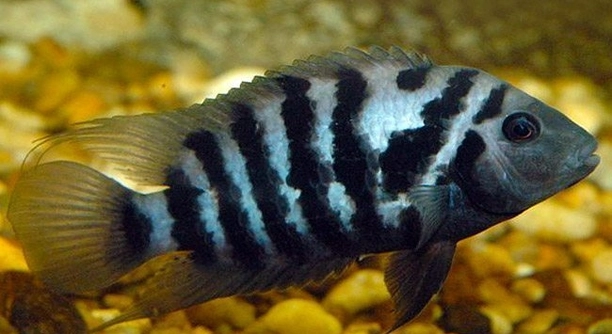
African cichlids are popular freshwater fish known for their vibrant colors and interesting behaviors. One behavior often noticed is when these fish hover closely over each other in the aquarium or natural environment. This subtle interaction has drawn attention from many aquarium enthusiasts and researchers alike.
Hovering behavior among African cichlids serves several purposes, including establishing social hierarchy, courtship, and territorial displays. This behavior helps maintain group structure and facilitates communication without direct aggression, ensuring stability within their social groups.
Understanding why these fish hover can improve how we care for them and observe their natural habits. This article will explain the reasons behind their hovering behavior in simple terms.
Why African Cichlids Hover Over Each Other
African cichlids hover over each other mostly as part of their social and reproductive behaviors. This hovering helps them establish dominance and communicate their status within the group. When a dominant fish hovers over a subordinate one, it signals control without immediate aggression. This behavior also plays a role during mating, where males may hover over females to show readiness and protectiveness. In addition, hovering can be a way to maintain territory boundaries by reminding other fish of their presence. These interactions are important for keeping the social structure balanced and reducing constant fights. Observing this behavior can help you understand the mood and relationships among your fish. It also indicates a healthy social dynamic where each fish knows its place. This natural interaction is common and helps prevent more harmful conflicts that could stress or injure the fish.
Hovering is a non-aggressive method cichlids use to communicate status and reproductive intentions within their group.
Understanding these behaviors helps improve aquarium management and ensures peaceful coexistence in shared tanks.
The Role of Territory and Hierarchy
Territorial behavior is common among African cichlids and is closely linked to their hovering. They hover to assert control over certain areas and signal boundaries to others. This prevents constant fighting, which could cause injury or stress. Establishing clear territories helps the fish feel secure and confident in their environment. In a crowded tank, this behavior becomes more frequent as fish compete for space and resources. The dominant fish will use hovering to remind others of their rank without needing to chase them away aggressively. This hierarchy helps maintain order within the group and allows weaker fish to avoid unnecessary confrontations. Keeping enough space and hiding spots in the aquarium can reduce stress and aggressive hovering, making the environment more comfortable for all fish. Recognizing this behavior gives insight into the social balance and health of your cichlids.
Territorial hovering reduces conflict and helps maintain peace by clearly defining each fish’s space and social rank.
Hovering and Courtship Behavior
Hovering plays a key role in courtship among African cichlids. Males hover over females to display their strength and readiness to mate.
This behavior signals the male’s health and dominance, making him more attractive to the female. The hovering often involves gentle movements and close proximity, allowing the female to assess the male. It is a careful balance of showing interest without causing stress. Males may hover for extended periods before any actual mating takes place. This silent communication helps strengthen pair bonds and increases the chances of successful reproduction. Observing these behaviors can help you understand when your fish are preparing to breed.
Hovering in courtship is a non-threatening way for males to show interest and readiness to females.
The intensity and duration of hovering can vary by species and individual fish temperament.
Stress and Environmental Factors
Hovering can also indicate stress or discomfort in African cichlids. Changes in water quality, overcrowding, or aggressive tank mates often lead to increased hovering. Fish may hover to assess threats or find a safer position near other individuals. This behavior might look similar to social hovering but is driven by anxiety. Recognizing stress-related hovering is important for maintaining a healthy aquarium. Adjusting tank conditions or providing hiding spaces can reduce this behavior. Careful monitoring of your fish’s environment helps prevent stress and promotes natural behaviors. Being aware of the difference between social and stress-related hovering improves how you care for these fish.
Recognizing Healthy Hovering
Healthy hovering is calm and steady, without sudden aggressive moves. Fish stay close but don’t chase or nip each other during this behavior.
When hovering signals good social interaction, the fish seem relaxed and return to normal swimming afterward. This balance shows their environment supports natural behavior.
Signs of Aggressive Hovering
Aggressive hovering includes quick movements and frequent chasing. It often leads to physical contact or biting between fish.
This behavior indicates tension or competition for territory and may require intervention. Reducing tank overcrowding or separating aggressive individuals can help restore peace.
How to Encourage Positive Hovering
Providing enough space and hiding spots reduces stress and aggressive hovering. Proper tank setup helps fish establish comfortable social structures naturally.
Regular monitoring and good water quality also support positive behaviors. A calm environment encourages healthy interaction among African cichlids.
When to Seek Help
If aggressive hovering causes injuries or constant stress, consulting an expert is important. Professional advice can help address behavioral issues effectively.
FAQ
Why do African cichlids hover over each other instead of swimming apart?
Hovering helps cichlids communicate without direct confrontation. It establishes social order and reduces aggression by signaling status and intentions. Hovering close allows fish to send clear messages while avoiding fights that could cause injury or stress.
Is hovering a sign of aggression in African cichlids?
Not always. Hovering can be calm and non-threatening, part of social bonding or courtship. However, if it involves chasing, biting, or rapid movements, it may indicate aggression. Watching the fish’s overall behavior helps determine if hovering is friendly or hostile.
Can hovering affect the health of my fish?
When hovering is part of natural behavior, it does not harm fish. But if it turns aggressive or stress-related, it can lead to injuries or weaken immune systems. Maintaining proper tank conditions and space helps keep hovering healthy and stress-free.
How can I tell if hovering is related to breeding?
During breeding, males often hover over females to show interest and readiness. This hovering is usually gentle and consistent. Other signs include cleaning a site for eggs, color changes, and close proximity without aggression.
Does tank size influence hovering behavior?
Yes, smaller tanks often increase stress and aggression, making hovering more intense and frequent. Larger tanks provide more space for territories, reducing the need for constant close contact. Proper tank size helps maintain natural and calm hovering.
What can I do to reduce aggressive hovering?
Increasing tank size, adding hiding spots, and ensuring a balanced number of males and females can reduce aggression. Separating overly aggressive fish might also be necessary. Regular water changes and good water quality keep fish healthy and less prone to stress.
Is hovering unique to African cichlids?
Hovering behavior occurs in other fish species but is particularly common and important in African cichlids due to their social structure. Their complex interactions rely heavily on such behaviors to maintain group harmony and breeding success.
Do juvenile cichlids hover like adults?
Juvenile cichlids exhibit less hovering than adults. As they grow and establish social hierarchies, hovering becomes more frequent. It helps them learn their place in the group and practice communication skills needed for adult life.
Can hovering predict fish health issues?
Sudden changes in hovering behavior, like excessive or frantic hovering, can indicate stress, illness, or poor water conditions. Monitoring behavior alongside physical signs helps catch health problems early and improve care.
Is it normal for fish to hover over the same individual repeatedly?
Yes, repeated hovering can reflect established social relationships or dominance patterns. Dominant fish may hover over specific subordinates to maintain control. It also happens during courtship when a male focuses on a particular female.
How long do African cichlids hover during courtship?
Courtship hovering varies by species and individuals but can last from a few minutes to several hours. This period allows the pair to build trust and coordinate spawning activities. It is usually peaceful and involves subtle movements.
Should I separate fish that hover too much?
Not necessarily. Hovering is often normal social behavior. Only separate fish if hovering leads to aggressive chasing, injuries, or excessive stress. Providing environmental enrichment and proper tank conditions usually solves most issues without separation.
Can lighting or tank decorations affect hovering?
Yes, poor lighting or lack of hiding places can increase stress, causing more aggressive or anxious hovering. Adding plants, rocks, or caves helps fish feel secure and reduces unnecessary close contact.
Does diet influence hovering behavior?
A balanced diet supports overall health and reduces stress, which can affect behavior. Hungry or weak fish may show different social behaviors, including unusual hovering patterns. Feeding consistent, nutritious meals helps maintain normal interactions.
Are there specific species of African cichlids that hover more?
Some species, especially those with strong territorial instincts, hover more frequently. Mbuna cichlids from Lake Malawi, for example, show intense social interactions involving hovering. Understanding species differences helps interpret behaviors correctly.
This FAQ section covers common questions about African cichlid hovering behavior, helping clarify its meaning and how to support healthy fish interactions.
Final Thoughts
African cichlids have complex social behaviors, and hovering over each other is one of the most noticeable. This behavior is a way for them to communicate without fighting. It helps them establish social ranks, defend territories, and find mates. Understanding this can make caring for these fish easier and more enjoyable. When you see your cichlids hovering, it usually means they are interacting in a normal, natural way that keeps their group balanced.
While hovering can sometimes look aggressive, it is often a gentle and important part of their social life. This behavior helps reduce direct conflicts that might harm the fish. Instead of constant chasing or biting, hovering allows them to send messages quietly. It shows dominance, interest, or caution without violence. In an aquarium, this kind of behavior means the fish are expressing themselves and maintaining their social order. It is a sign they are active and engaged in their environment.
Creating a good tank environment is key to supporting healthy hovering behavior. Providing enough space, hiding spots, and maintaining water quality reduces stress and aggressive interactions. It is important to watch the fish closely to know when hovering is normal or when it could mean stress or aggression. With the right care, African cichlids will show their natural behaviors in ways that are interesting and balanced. Watching these fish hover and interact gives insight into their world and helps ensure they live healthy, peaceful lives.

Hello,
If you enjoy the content that we create, please consider saying a "Thank You!" by leaving a tip.
Every little bit helps us continue crafting quality advice that supports the health, happiness, and well-being of pets around the world, for pets of all shapes, sizes, and species.
We really appreciate the kindness and support that you show us!