
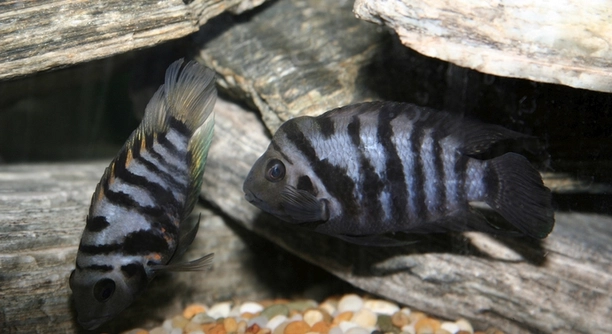
African cichlids are colorful fish known for their interesting behaviors in nature. These fish often live in groups and show unique patterns when choosing a mate. Understanding their selection process helps us learn more about their lives.
African cichlids choose mates based on a combination of visual cues, territory quality, and courtship behavior. Bright colors signal health, while a good territory offers safety. Both males and females participate actively in these mate selection decisions.
Exploring these factors reveals how cichlids maintain strong populations and adapt to their environments over time.
Visual Cues and Coloration
African cichlids use bright colors as one of the main signals when choosing a mate. These colors often indicate good health and strong genetics, which are important for successful reproduction. Males usually display vivid patterns to attract females, who tend to prefer the brightest and most vibrant mates. Color differences can also help fish identify members of their own species, reducing confusion and hybridization. Some cichlids even change color depending on their mood or breeding status, which adds another layer of communication. This visual display plays a big role during courtship and can influence which fish get chosen to mate. It is fascinating how nature uses color to guide such important decisions.
Color intensity is often linked to the quality of the male’s diet and environment, making it a reliable signal for females.
These colors are not just for attraction; they also help establish social hierarchy. Dominant males with the best colors usually secure the best territories and have more chances to reproduce, shaping the future of their species.
Territory and Environment
Territory quality is crucial for African cichlids during mate selection. Males often defend specific areas filled with shelter and food resources, which are attractive to females looking for safe places to lay eggs. A well-protected territory increases the chances of offspring survival. Females prefer mates that hold these desirable spaces because it shows strength and the ability to provide. Territory defense involves displays and sometimes fights, which also help determine which males are stronger. This behavior ensures that only the fittest males get to pass on their genes. The environment where cichlids live can vary greatly, so the choice of territory adapts to local conditions. In aquariums, providing enough hiding spots and space helps mimic this natural selection process, improving breeding success. Overall, territory is more than just space; it is a key factor in mate choice and reproduction success.
Courtship Behavior
Courtship behavior plays a key role in mate choice. Males perform specific movements and displays to attract females. These actions show their fitness and willingness to breed.
The courtship rituals vary between species but often include fin flaring, shaking, and following the female closely. These behaviors help females assess a male’s strength and health. Successful courtship increases the chances of mating and ensures better protection for the eggs. Females watch carefully before deciding, as the effort a male puts into courtship reflects his overall quality.
Males may also clean and prepare a site within their territory during courtship. This preparation shows readiness to care for offspring, making the male more appealing to females. Courtship is a dynamic process that helps both sexes find the best possible partner.
Female Choice and Preferences
Females have specific preferences when selecting mates, focusing on traits that indicate good genes and parenting ability. They look for males that display vibrant colors and strong behaviors.
Female cichlids often choose mates based on how well males defend territory and perform courtship displays. These preferences help ensure offspring survival and genetic strength. Sometimes females may reject males that do not meet these criteria, leading to competition among males. This selective process drives evolution and helps maintain healthy populations in the wild. Understanding female choice helps in breeding programs and care of cichlids in captivity.
Role of Genetics
Genetics influence many traits important for mate selection in African cichlids. Healthy genes lead to better color, behavior, and overall fitness.
Strong genetics improve offspring survival, making it a key factor in natural mate choice. Fish with desirable traits are more likely to reproduce.
Environmental Factors Affecting Choice
The environment shapes mate choice by affecting resource availability and safety. Changes in water quality, temperature, or habitat structure can influence which mates are selected.
Environmental stress may reduce color vibrancy or courtship activity, impacting mate attraction. Understanding these factors helps maintain healthy breeding conditions in captivity.
Male Competition
Males compete to gain access to females by defending territories and showing dominance. This competition helps ensure that only the strongest mates reproduce.
Female Investment
Females invest heavily in offspring care, so their mate choice is critical. They often prefer males that will provide protection and good genes.
What traits do African cichlids look for in a mate?
African cichlids mainly look for bright colors, strong courtship behavior, and territory quality when choosing a mate. Males with vivid colors usually signal good health and strong genes, which attract females. Courtship displays like fin flaring and chasing help males show their fitness. Additionally, a male’s ability to defend a safe, resource-rich territory makes him more desirable because it increases the chances of offspring survival. Females weigh all these traits to select the best possible partner.
How important is color in mate selection?
Color is one of the most visible and important factors in mate choice for African cichlids. Bright, vibrant colors usually indicate a healthy fish with good genes. Females tend to prefer males with the brightest and most intense coloration. However, color alone is not enough; it must be combined with good behavior and territory defense. Color can also change based on mood or breeding status, giving females additional information during selection.
Does territory affect mate choice?
Yes, territory plays a crucial role. Males that control well-protected areas with plenty of hiding spots and food resources are more attractive to females. A good territory means a safer place for eggs and fry, improving their survival chances. Territory defense shows strength and fitness, which females look for. In nature and aquariums, males with the best territories often have better breeding success.
What role does courtship behavior play?
Courtship behavior helps males demonstrate their fitness and readiness to breed. Displays such as fin flaring, shaking, and cleaning the breeding site show the female that the male is healthy and serious. These behaviors also allow females to assess male strength and suitability. Courtship is dynamic and can influence female choice strongly, as males who put more effort into displays tend to have higher success.
How do females influence mate selection?
Females are selective and look for mates with traits that increase offspring survival. They prefer males with bright colors, strong territories, and good courtship behavior. Females may reject males who fail to meet these standards. This selectiveness drives male competition and helps maintain healthy populations. Female choice is essential for the continuation of strong genetic lines in cichlids.
Can environmental factors change mate preferences?
Environmental conditions like water quality, temperature, and habitat structure can affect mate selection. Poor water or lack of hiding places may reduce male color brightness or courtship displays, making them less attractive. Stressful environments can also reduce overall breeding activity. Understanding environmental impacts is important for both wild populations and aquarium care to support healthy breeding.
Do genetics play a role in mate choice?
Genetics are central to mate choice. Fish with strong genes usually have better color, behavior, and health. These traits help them attract mates and produce healthier offspring. Mate choice based on genetics ensures the survival of the fittest and maintains species strength over time. Breeding programs use this knowledge to improve the health of captive populations.
How does male competition affect mating?
Males compete fiercely for the best territories and female attention. This competition includes displays, fights, and territory defense. Winning males are often the strongest and healthiest, so they get more mating opportunities. Competition helps ensure that only the fittest males pass their genes to the next generation, maintaining population health and balance.
Why is female investment important in mate choice?
Females invest a lot in caring for eggs and fry, so choosing the right mate is crucial. They seek males who can provide protection and have strong genetics. This investment means females are cautious and selective, which helps increase offspring survival rates. Their choice impacts the overall health and future of the population.
How can understanding mate choice improve aquarium breeding?
Knowing what African cichlids look for in mates helps create better breeding environments. Providing good territories, clean water, and enough space supports natural behaviors like courtship and territory defense. Observing color changes and behavior can help identify healthy breeding pairs. This understanding increases breeding success and helps maintain healthy captive populations.
African cichlids are fascinating fish with clear and natural ways of choosing their mates. Their selection process depends on several important factors like bright colors, strong courtship behaviors, and the ability to defend a good territory. These elements work together to help both males and females find the best partners for reproduction. The males show off their strength and health through their colors and behaviors, while females carefully decide based on these signs. This balance ensures that the species continues to thrive with healthy offspring.
The environment also plays a big role in how these fish choose their mates. Changes in water quality, temperature, or the structure of their habitat can affect the fish’s colors and behavior, which in turn influences mate choice. In the wild, these factors change naturally and guide the mating process. In captivity, it is important to recreate a good environment that supports these natural behaviors. Providing enough space, hiding spots, and clean water helps the fish feel secure and able to display their best qualities. This leads to better breeding success and healthier cichlids.
Understanding what makes African cichlids choose a mate can help both hobbyists and researchers. It gives insight into the natural life of these fish and guides how to care for them in aquariums. Paying attention to their colors, courtship actions, and territory needs can improve breeding results. Knowing that females are selective and invest a lot in their offspring also highlights the importance of good mate choices. Overall, these factors work together to maintain strong populations and ensure the survival of these beautiful fish.

Hello,
If you enjoy the content that we create, please consider saying a "Thank You!" by leaving a tip.
Every little bit helps us continue crafting quality advice that supports the health, happiness, and well-being of pets around the world, for pets of all shapes, sizes, and species.
We really appreciate the kindness and support that you show us!