
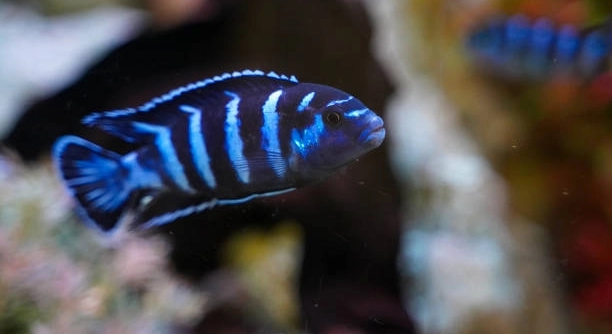
African cichlids are popular aquarium fish known for their vibrant colors and active behavior. Many owners notice these fish swimming in circles, which can be both fascinating and puzzling. This behavior often raises questions about what it means for the fish’s health and environment.
African cichlids swim in circles primarily due to territorial behavior and courtship rituals. This circular swimming helps establish dominance and attract mates, as well as maintain their territory boundaries in the confined aquarium space. It is a natural and common display among these fish.
Understanding why these fish swim in circles can help aquarium owners provide better care and create a more suitable environment for them. The following information explains the causes and significance of this behavior.
Reasons Behind Circular Swimming in African Cichlids
African cichlids often swim in circles as part of their natural instincts. This behavior mainly relates to their territorial nature. In a tank, each fish tries to claim a specific area, and swimming in circles helps reinforce that boundary to other fish. It is a way to show dominance without direct aggression. Circular swimming also plays a role during mating season. Male cichlids use this movement to impress females and signal their readiness to mate. Sometimes, this behavior can indicate stress or discomfort if the tank environment isn’t ideal. Factors such as water quality, space, or tank mates might cause the fish to swim repeatedly in circles. Keeping their environment clean and providing enough hiding spots can reduce stress and make their behavior more natural and less repetitive.
Circular swimming can also serve as a form of exercise, keeping the fish active and healthy.
When you notice your cichlid swimming in circles, consider these factors to better understand its needs and improve tank conditions.
Impact of Tank Conditions on Behavior
Tank size and layout greatly affect cichlids’ swimming patterns. Smaller tanks often limit their space, causing them to swim in repetitive circles.
A cramped tank can increase stress and provoke territorial disputes, leading to more frequent circular swimming. To reduce this, provide a larger tank with plenty of hiding spots and clear boundaries. Proper filtration and regular water changes maintain water quality, which helps keep the fish healthy and calm. Additionally, matching cichlids with compatible tank mates can reduce aggressive behaviors that contribute to continuous swimming in circles. Observing your fish’s behavior and adjusting the environment can make a significant difference in their well-being and reduce unwanted repetitive movements. It is important to create an environment that balances their natural instincts with the limits of the aquarium.
How Stress Affects Circular Swimming
Stress can cause African cichlids to swim in circles more frequently. Changes in water temperature, poor water quality, or aggressive tank mates often trigger this stress response.
When cichlids feel threatened or uncomfortable, their behavior becomes repetitive, including continuous swimming in circles. This can be a coping mechanism or a sign of distress. Stress may also weaken their immune system, making them more vulnerable to illness. Identifying and reducing stress factors is essential for their well-being. Adjusting tank conditions, improving water quality, and ensuring peaceful tank mates can help lower stress levels and promote natural swimming behaviors.
Watching for other signs like loss of appetite or hiding helps determine if stress is impacting your fish. Taking steps to create a calm environment supports their health and reduces unusual swimming patterns.
Role of Social Interaction in Swimming Behavior
African cichlids are social fish that rely on interaction to establish hierarchy and communicate. Swimming in circles often happens during these social exchanges.
This behavior is part of their way to show dominance and negotiate space within the group. It helps prevent physical fights by signaling intentions through movement. In a well-balanced community tank, circular swimming occurs less aggressively and more naturally. However, if the social structure is disturbed, such as overcrowding or incompatible species, the behavior can become excessive and stressful. Proper tank management, including the right number of fish and compatible species, supports healthy social interaction. Providing visual barriers and hiding places also reduces conflict and repetitive swimming.
Social cues are important for cichlids to feel secure and balanced. Observing these patterns gives insight into their group dynamics and overall tank health.
Signs That Circular Swimming Is a Problem
Circular swimming is normal but can become a problem if it is excessive or obsessive. Watch for signs like erratic movements or lethargy.
If your cichlid seems tired, loses appetite, or isolates itself, these may indicate stress or illness. Excessive swimming in circles often signals discomfort needing attention.
How to Improve Tank Conditions
Maintaining clean water with proper filtration is key to healthy cichlids. Regular water changes and monitoring temperature reduce stress and encourage natural behavior.
Adequate space and hiding spots also help cichlids feel secure. Avoid overcrowding and incompatible species to prevent aggression and excessive swimming in circles.
Feeding and Its Effect on Behavior
Proper feeding supports overall health and reduces stress-related behaviors. Overfeeding or poor diet can cause discomfort, leading to unusual swimming patterns.
Balanced nutrition tailored to cichlids’ needs promotes calmness and natural activity levels.
Monitoring Behavior Over Time
Keeping track of your fish’s swimming habits helps identify changes early. Regular observation supports timely adjustments to tank conditions or diet.
FAQ
Why do African cichlids swim in circles around the tank?
African cichlids swim in circles mainly as part of their natural territorial and mating behavior. Circular swimming helps males establish dominance and attract females. It is also a way to mark their territory and keep other fish at a distance without direct fighting. In some cases, repetitive swimming can indicate stress or discomfort, often linked to water quality, tank size, or tank mates.
Is circular swimming a sign of illness?
Not always. Circular swimming can be normal behavior, but if it is excessive or accompanied by other symptoms such as loss of appetite, lethargy, or color fading, it might be a sign of illness. Problems like parasites, infections, or swim bladder issues could cause abnormal swimming. It’s important to observe other signs and test the water parameters to rule out health problems.
How can I reduce my cichlid’s stress to prevent excessive swimming?
Stress reduction starts with maintaining good tank conditions. Keep the water clean and at the right temperature. Provide enough space and plenty of hiding spots to make the fish feel secure. Avoid overcrowding and incompatible species that may cause aggression. Feeding a balanced diet also helps reduce stress. Watching for changes in behavior helps catch stress early before it worsens.
Can tank size affect how often cichlids swim in circles?
Yes. Smaller tanks limit movement and can cause fish to swim in repetitive circles. Adequate space allows fish to explore more naturally and reduces territorial conflicts. Larger tanks with well-arranged decorations and hiding places encourage natural behavior and less repetitive swimming.
Do all African cichlids swim in circles?
Not all, but many species do. It depends on their natural behaviors and environment. Some species are more territorial or active than others, which can lead to more circular swimming. Individual fish personality and tank setup also influence this behavior.
Does tank decoration influence circular swimming?
Yes. A tank with plenty of rocks, plants, and hiding spots breaks up open swimming areas and helps reduce continuous circular swimming. Decorations create boundaries and visual barriers, which lower territorial disputes and stress. A bare tank often leads to more repetitive swimming because there is little to explore or claim.
What should I do if my cichlid swims in circles nonstop?
First, check the water quality and tank conditions. Ensure the temperature, pH, and ammonia levels are within safe ranges. Look for signs of illness or injury. If everything seems fine, consider tank size and social dynamics—perhaps the fish needs more space or different tank mates. Adding hiding spots and rearranging decorations may help. If swimming continues nonstop and other symptoms appear, consult a veterinarian.
Can feeding habits cause circular swimming?
Improper feeding may cause stress or discomfort that leads to unusual swimming patterns. Overfeeding or poor-quality food can upset digestion. Feeding the right amount of balanced food designed for cichlids supports healthy behavior and reduces stress-related swimming.
How long does this behavior usually last?
Circular swimming as a territorial or mating behavior can last as long as those conditions exist, sometimes days or weeks. If caused by stress or illness, it may continue until the issue is resolved. Continuous and repetitive swimming without breaks is a sign to investigate tank or health problems.
Is it normal for cichlids to swim in circles when mating?
Yes, circular swimming is a common part of courtship. Males swim in circles to display their colors and strength to females. This behavior helps males attract mates and prepare for breeding.
Can tank mates affect circular swimming behavior?
Definitely. Aggressive or incompatible tank mates may increase stress, causing cichlids to swim in circles more often. Peaceful tank mates help reduce territorial disputes and repetitive swimming. Choosing compatible species supports a calm and balanced environment.
What water parameters are best for reducing stress and circular swimming?
African cichlids thrive in water with a pH between 7.8 and 8.6 and temperatures between 75°F and 82°F (24°C to 28°C). Stable conditions with low ammonia, nitrite, and nitrate levels help reduce stress. Regular testing and water changes keep parameters optimal.
How can I tell if circular swimming is natural or a problem?
Natural circular swimming usually occurs during certain times like mating or establishing territory and is balanced with other normal behaviors. If swimming is nonstop, frantic, or combined with signs like loss of appetite, hiding, or color changes, it indicates a problem needing attention.
Final thoughts on African cichlids swimming in circles focus on understanding this behavior as part of their natural instincts. Swimming in circles is often linked to territory, mating, and social interaction. These fish use this movement to communicate and establish their place in the aquarium. While it might seem unusual or worrying at first, it is usually normal behavior that reflects how these fish interact with their environment and each other. Recognizing this can help aquarium owners avoid unnecessary concern and better appreciate the natural habits of their cichlids.
However, it is important to pay attention to the frequency and intensity of this circular swimming. If it becomes constant or obsessive, it could be a sign of stress or health issues. Factors such as poor water quality, improper tank size, aggressive tank mates, or illness can cause this kind of behavior to worsen. Maintaining a clean, well-structured tank with compatible fish and adequate hiding places can help reduce stress and encourage healthier swimming patterns. Keeping an eye on your cichlid’s overall behavior and condition ensures that any problems are caught early and addressed promptly.
In the end, caring for African cichlids means understanding their natural needs and behaviors while providing a stable and comfortable environment. By monitoring their swimming habits and tank conditions, you can support their well-being and enjoy the fascinating behaviors that make these fish so unique. Proper care and attention help these vibrant fish thrive, making your aquarium a lively and balanced aquatic space.

Hello,
If you enjoy the content that we create, please consider saying a "Thank You!" by leaving a tip.
Every little bit helps us continue crafting quality advice that supports the health, happiness, and well-being of pets around the world, for pets of all shapes, sizes, and species.
We really appreciate the kindness and support that you show us!