
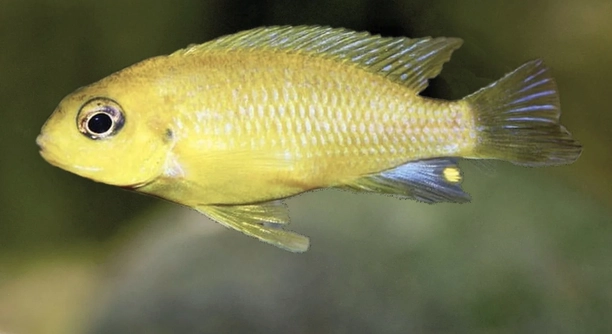
Do you ever find yourself watching your African cichlid stay hidden while the rest of the tank lights up with activity?
The most common reason your African cichlid avoids the light is stress caused by environmental factors. Bright lighting, lack of shelter, sudden changes, or poor tank conditions can lead to hiding behavior as a form of self-protection.
Understanding the different reasons behind this behavior can help you make changes that support a healthier, calmer tank environment.
Common Reasons Your Cichlid Avoids Light
African cichlids can be sensitive to sudden changes in their environment, especially lighting. If the light in your tank is too bright or left on too long, your cichlid may retreat to darker areas for comfort. These fish come from environments where they can easily find shade and shelter, so when exposed to constant or intense lighting, they may become stressed. Stress can lead to hiding, reduced appetite, and even changes in color. Another reason could be a lack of proper hiding spots. Without rocks, plants, or decorations to retreat to, your fish may feel exposed and unsafe. Temperature fluctuations and poor water quality can also affect their behavior. Even aggressive tank mates or new additions might encourage a shy or stressed fish to avoid lit areas. Paying attention to these environmental details can help you create a calmer, more inviting space for your cichlid.
Poor lighting conditions often make fish feel unsafe. In a tank that’s too bright, your cichlid may see light as a threat and stay hidden to avoid it.
It’s also worth checking if the light is creating reflections or sudden glare. These can look like threats and cause your cichlid to feel uneasy. Fish rely on a stable and comfortable habitat to stay active and healthy. If the light shifts too much during the day or the tank lacks structure, your cichlid might retreat more often. Keep lighting consistent and use a timer if needed. Also, placing the tank in a quiet area away from windows or screens can help reduce disturbances. Try adjusting the light level slowly and observe your fish. If your cichlid begins to swim more openly after changes, you’ve likely improved their comfort. These small details can have a big impact on their behavior.
How to Make Your Tank Feel Safer
Shy behavior can sometimes be solved by changing just a few parts of your tank setup.
Start by adding natural decorations like smooth rocks, driftwood, and artificial caves. These additions give your cichlid places to hide when they feel overwhelmed. A sense of safety is important for their mental well-being, especially if they are new to the tank. Make sure the tank has moderate lighting—not too dim, but never harsh. Using LED lights with adjustable brightness can help you find a balance that suits your fish. Position the lights so they don’t reflect too much on the glass, as reflections may confuse or scare them. Keeping a regular light schedule, like 8–10 hours a day, helps your fish develop a natural rhythm. Lastly, reduce tank stress by keeping water parameters stable. Sudden pH shifts or ammonia spikes can lead to anxious behavior. A calm, clean, and structured space allows your African cichlid to feel confident and explore more freely.
Adjusting Light and Tank Placement
Start by lowering the brightness of your aquarium light or switching to a softer bulb. Cichlids often respond better to dimmer lighting that mimics their natural habitat, especially when combined with steady tank placement away from loud or high-traffic areas.
Position the tank where it won’t receive direct sunlight or constant foot traffic. Natural light can make the tank too bright, while movement nearby may stress your fish. If your tank is near a window or television, consider moving it to a quieter corner of the room. Too much activity around the tank may lead to nervous behavior and hiding. You can also try adding floating plants to provide shade while still letting light through. Plants like hornwort or water lettuce work well and offer a sense of cover. These small steps can change how your fish feels in its environment, encouraging it to stay more visible.
Keeping your tank in a quiet spot helps your cichlid feel secure. Vibrations from constant movement or noise can cause stress and lead to hiding. It’s also good to avoid placing the tank near speakers, doors, or kids’ play areas. Sound and sudden motion can easily unsettle your fish. If you can’t move the tank, try using a backdrop or tank divider to create a sense of cover. Reducing outside stressors makes your tank feel more like a shelter. You might also experiment with the light timer to gradually brighten and dim the tank instead of turning it on and off quickly. Abrupt changes can spook fish. A calm setting with stable lighting will give your cichlid the confidence to swim freely.
Observing Your Cichlid’s Behavior
Look for patterns in your cichlid’s behavior. If it only hides during certain times or after tank cleanings, those moments may be causing stress. Tracking changes helps you make smarter choices for your setup.
Cichlids often react strongly to their surroundings. Watch for signs like color fading, slow swimming, or lack of appetite. These may point to deeper issues beyond just lighting. A stressed cichlid might also breathe faster or hide for hours without eating. Keep a log of when this happens and what changed in the tank that day—water changes, new decorations, or even slight shifts in pH. These notes help you understand what your fish responds to. Over time, you’ll learn what makes your cichlid comfortable. If its behavior improves after making a change, like adding plants or dimming lights, then you know you’re on the right track. Being observant makes a big difference.
Choosing the Right Lighting Setup
Use a full-spectrum LED light that mimics natural daylight but allows you to adjust the intensity. Lights with dimmers are helpful, especially if your cichlid seems sensitive or hides when the light turns on suddenly.
Avoid leaving the light on for more than 10 hours a day. Too much exposure can stress your cichlid and cause it to seek constant cover. A timer can help keep lighting consistent and gradual.
When to Be Concerned
If your cichlid continues hiding despite adjusting the tank setup, lighting, and surroundings, it may be a health issue. Look for signs like cloudy eyes, weight loss, or patchy scales. These could point to infections or parasites. Also check for rapid breathing or clamped fins, which signal discomfort. Run a water test to make sure ammonia, nitrite, and pH levels are safe. If everything checks out but the hiding continues, it may be time to consult an aquatic vet. Changes in behavior can sometimes be the first sign of illness, and early care helps prevent bigger problems.
Final Thought for This Section
A few small changes can make your cichlid feel more at ease, helping it stay out in the open more often.
Why does my African cichlid hide when the light is on?
African cichlids often hide under bright light because they feel vulnerable or stressed. In their natural habitat, they use shadows and rocks for shelter. Bright aquarium lights can mimic harsh sunlight, making them seek darker, safer places. It’s a natural response to avoid perceived threats.
How can I adjust lighting to help my cichlid feel safer?
Using dimmable LED lights or placing floating plants can reduce harshness. Keeping the light on for about 8 to 10 hours daily with a timer ensures consistency. Gradual light changes in the morning and evening reduce stress. Avoid direct sunlight or reflections that create sudden brightness or glare inside the tank.
Is my tank setup contributing to my cichlid’s hiding?
Yes, a lack of hiding spots or too much open space can make your fish feel exposed. Adding rocks, caves, or plants provides shelter and security. Arrange decorations so there are shaded areas where your cichlid can rest without feeling threatened by bright light or other fish.
Could water quality affect my cichlid’s behavior?
Poor water conditions cause stress and hiding behavior. Ammonia, nitrite, and nitrate levels need to be monitored regularly. Sudden pH shifts or temperature changes can also make your fish uncomfortable. Maintaining clean, stable water helps keep your cichlid active and less likely to avoid light.
How do tank mates impact my African cichlid’s comfort?
Aggressive or overly active tank mates can scare your cichlid, causing it to hide. Ensure you choose compatible species and provide enough space and hiding places to reduce stress. Observing interactions between fish helps you spot bullying or territorial disputes early.
Why does my cichlid hide more after water changes or tank maintenance?
Sudden environmental changes like water changes or rearranging the tank can make your cichlid feel insecure. These activities alter smells, water chemistry, and the layout it is used to. To reduce stress, perform gradual water changes and avoid large shifts in tank decoration all at once.
Is hiding always a sign of stress or illness?
Not always. African cichlids sometimes naturally seek shelter during rest or while digesting food. However, if hiding increases or is paired with other symptoms like loss of appetite, faded colors, or erratic swimming, it could indicate stress or illness needing attention.
Can lighting color affect my cichlid’s behavior?
Yes, some colors can be too intense or unnatural for cichlids. White or blue LED lights are common but may cause discomfort if too bright. Using warm, softer tones or adjustable lighting can create a more natural environment that encourages your fish to explore instead of hiding.
How long does it take for a cichlid to adjust to new lighting?
Adjustment times vary, but most cichlids begin to feel comfortable within a few days to a week of consistent, suitable lighting. Observing your fish’s behavior during this period helps you know if further changes are needed. Patience is key.
What if my cichlid never stops hiding despite all changes?
If hiding persists despite improving lighting, tank setup, and water quality, consult an aquatic specialist. Chronic hiding can sometimes signal chronic stress or hidden illness. A professional can help diagnose problems and recommend treatments to improve your cichlid’s well-being.
African cichlids are beautiful and interesting fish, but they can be sensitive to their environment. When they avoid light, it usually means they are feeling stressed or uncomfortable. This can happen if the lighting is too bright, the tank lacks hiding places, or if the water conditions are not ideal. Understanding these basic reasons helps in making simple changes that improve your fish’s comfort and health. Paying attention to how your cichlid reacts to light and tank setup is an important part of caring for them well.
Creating a comfortable environment for your African cichlid is mostly about balance. The right lighting level matters a lot because it affects how safe your fish feels. Too much light can make your cichlid hide, while too little light might affect their activity and health. Adding decorations like rocks, plants, or caves gives them places to retreat when they want to. These shelters help your fish feel secure and less stressed. Also, keeping the water clean and stable supports their overall well-being. Small changes like adjusting light duration, using a timer, and arranging the tank thoughtfully make a big difference in how your cichlid behaves.
Remember, observing your cichlid regularly will help you notice signs of stress or discomfort early. If your fish continues to hide a lot despite your efforts, it could be a sign of health problems or that the tank environment needs more attention. In such cases, it’s a good idea to test the water, check the temperature, and watch for other symptoms. Sometimes, getting advice from an aquatic specialist can be the best step. With patience and care, your African cichlid can become more confident and comfortable, allowing you to enjoy their bright colors and lively personality more fully.

Hello,
If you enjoy the content that we create, please consider saying a "Thank You!" by leaving a tip.
Every little bit helps us continue crafting quality advice that supports the health, happiness, and well-being of pets around the world, for pets of all shapes, sizes, and species.
We really appreciate the kindness and support that you show us!