
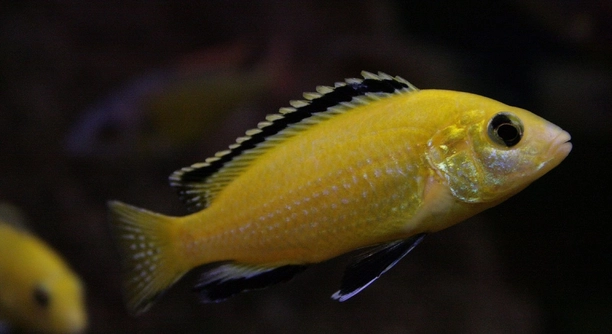
Cichlids are fascinating fish known for their vibrant colors and complex behaviors. Their mating rituals are influenced by several factors that affect how they interact and reproduce in their environment. Understanding these influences can help in caring for them better.
Cichlid mating behavior is influenced by environmental conditions, social interactions, diet, hormonal cycles, territoriality, water quality, and breeding readiness. Each factor plays a significant role in triggering and sustaining mating activities, ensuring successful reproduction in these species.
Knowing these key factors offers insight into the natural habits of cichlids. This knowledge supports healthier tank conditions and promotes their well-being during breeding.
Environmental Conditions and Water Quality
Cichlids are very sensitive to their environment, especially the water quality and temperature. Clean water with stable temperature creates a safe space for them to breed. If the water changes too much or becomes dirty, it can stress the fish and stop mating behavior. They prefer specific pH levels and hardness in the water, depending on their species. Light also plays a role; too much or too little light can affect their daily rhythm and readiness to mate. Many hobbyists find that keeping water parameters stable encourages natural behaviors and increases the chances of successful breeding. It’s important to test water regularly and maintain a balanced environment.
Stable environmental conditions are essential for encouraging cichlid mating. Changes in water quality often disrupt their breeding patterns and stress the fish.
Maintaining clean water and proper temperature creates a healthy habitat. Consistent water parameters help reduce stress, allowing cichlids to focus on mating. Setting up a well-maintained tank with natural lighting cycles encourages their natural breeding instincts.
Social Interactions and Territoriality
Cichlids are territorial fish. They defend their space to attract mates and protect their eggs. Aggression between males can increase when territories overlap, sometimes leading to fights. A clear territory helps males display their colors and court females. Social hierarchy also matters—dominant fish usually have more breeding success. It’s important to provide enough hiding places and space to reduce conflicts. If the tank is overcrowded, stress levels rise, and mating behavior decreases.
Territorial behavior strongly influences how cichlids mate. Providing space and structure helps maintain balance.
Understanding these social dynamics is key to managing breeding pairs. Offering sufficient space and hiding spots allows each fish to establish its territory. This setup reduces stress and aggression, promoting a more natural and successful mating process. Avoiding overcrowding gives cichlids the room to display courtship behaviors without constant threats. A well-structured environment supports peaceful interactions and better reproductive outcomes.
Diet and Nutrition
Proper diet is critical for cichlids’ mating behavior. Nutrient-rich food supports their health and readiness to reproduce. A poor diet can reduce energy levels and weaken breeding instincts. Balanced feeding helps maintain vibrant colors, which attract mates.
Feeding cichlids high-quality proteins and vitamins boosts their reproductive health. Foods like live or frozen brine shrimp, bloodworms, and specially formulated pellets provide essential nutrients. Supplementing with vegetable matter is important for some species. Overfeeding should be avoided to prevent water pollution, which can stress fish and affect breeding. A consistent feeding schedule supports hormone balance, which influences mating cycles. Healthy nutrition directly impacts the success of spawning and caring for offspring.
Diet also affects female fertility and egg quality. Well-fed females produce more viable eggs, and males display better courtship behavior when nourished properly. Nutrition supports overall vitality, increasing chances of successful reproduction. It is essential to adjust diet based on the specific species and their natural preferences to create optimal breeding conditions.
Hormonal Cycles and Breeding Readiness
Hormones regulate most mating behaviors in cichlids. Changes in hormone levels trigger courtship, nest building, and spawning. These cycles can be influenced by environmental factors like light and temperature. Hormonal readiness is necessary for successful breeding.
Recognizing hormonal changes can help in timing breeding efforts. When fish exhibit increased activity, bright colors, or nest preparation, hormones are likely at peak levels. Providing a stable environment enhances these natural cycles, improving reproductive success.
Monitoring hormone-driven behavior allows better management of breeding pairs. Hormones also influence aggression and territorial defense during mating. Adjusting tank conditions to support these cycles encourages healthy mating behavior and increases the likelihood of egg fertilization. Understanding hormonal patterns helps prevent stress and promotes natural reproduction rhythms.
Breeding Readiness and Maturity
Cichlids must reach a certain age and size before they are ready to mate. Younger fish may not show proper mating behaviors. Physical maturity ensures they can handle the demands of reproduction.
Breeding readiness depends on both age and environmental factors. Stress or poor conditions can delay maturity and reduce mating success.
Light Cycles and Their Impact
Light cycles influence cichlid breeding by regulating hormonal changes. Longer daylight hours often encourage mating behavior. Consistent lighting schedules help maintain their natural rhythms and improve spawning chances.
Tank Setup and Comfort
A well-arranged tank with hiding spots and smooth surfaces is essential. Comfortable spaces reduce stress and encourage mating activities.
FAQ
What water conditions are best for cichlid mating?
Cichlids need stable water conditions to breed successfully. This means keeping temperature, pH, and hardness within species-specific ranges. Regular water changes are important to maintain cleanliness. Avoid sudden shifts in temperature or chemistry, as these can stress fish and stop mating behavior.
How can I reduce aggression during breeding?
Providing enough space and hiding spots is key. Territorial disputes increase when fish feel crowded. Using decorations like rocks and plants helps break lines of sight and create separate territories. Monitoring tank mates and removing overly aggressive fish can also prevent fights.
What diet supports successful breeding?
A varied diet rich in proteins and vitamins boosts breeding readiness. Live or frozen foods such as brine shrimp and bloodworms are excellent. Including some vegetable matter supports species that require it. Avoid overfeeding to keep water quality high.
How do I know when my cichlids are ready to breed?
Look for changes in behavior like brightened colors, nest building, or increased activity. Males often become more territorial, and females may appear fuller before spawning. These signs indicate hormonal changes preparing them for reproduction.
Can I breed different cichlid species together?
Breeding different species in the same tank is not recommended. Hybridization can occur, which may weaken offspring. Each species has specific needs, so keeping pairs or groups of the same species ensures better breeding success and healthier fry.
How important is lighting for breeding?
Lighting affects hormone cycles. Longer daylight periods generally encourage breeding behavior. Consistent light schedules that mimic natural day-night cycles help maintain their internal rhythms and improve chances for spawning.
What tank setup encourages mating?
A setup with smooth surfaces for egg laying, hiding spots, and plenty of space is best. Clean substrate and stable conditions reduce stress. Plants or rocks help fish feel secure, which is essential during courtship and caring for eggs or fry.
How long does cichlid breeding usually take?
The length of the breeding cycle varies by species. Generally, courtship and spawning can take a few days. Egg incubation lasts from a few days to two weeks. Fry care varies but usually requires several weeks before young fish become independent.
What signs indicate eggs or fry need special care?
If eggs are not being guarded or if fry show signs of weakness, intervention may be needed. Sometimes eggs get fungus or fry get bullied. In such cases, moving eggs or fry to a separate tank can improve survival rates.
Is it necessary to separate breeding pairs after spawning?
Not always, but sometimes separating pairs or removing other fish helps protect eggs and fry from being eaten. Many cichlids are good parents, but overcrowding or aggressive tank mates can threaten young fish.
How often should I monitor water quality during breeding?
Daily checks are ideal during breeding to prevent any sudden changes. Keep track of temperature, pH, ammonia, nitrite, and nitrate levels. Stable water conditions minimize stress and increase breeding success.
Can stress affect cichlid mating behavior?
Yes, stress reduces mating activity significantly. Causes include poor water quality, overcrowding, incompatible tank mates, and sudden environmental changes. Reducing stress factors creates a better environment for natural mating behavior.
What is the role of territorial behavior in cichlid breeding?
Territoriality helps males secure a safe area to attract females and protect eggs. It is a natural part of their mating behavior. Proper tank size and structure help balance territorial disputes and encourage successful breeding.
Should I feed breeding cichlids differently?
Yes, during breeding, higher quality and protein-rich foods support energy and reproductive health. Feeding smaller, frequent meals keeps fish nourished without polluting water. Adjust diet as needed to match species-specific nutritional requirements.
Cichlid mating behavior is influenced by many important factors that come together to create the right conditions for breeding. Environmental stability, including water quality and temperature, plays a major role in keeping the fish comfortable and ready to reproduce. Social interactions and territorial needs shape how these fish behave during courtship and egg care. Without a proper setup, stress can easily prevent mating or harm the eggs and fry. Understanding how these influences work helps keep cichlids healthy and promotes natural behaviors in the tank.
Diet and nutrition also have a strong impact on cichlid breeding success. Well-fed fish with access to high-quality food tend to show better colors and more active mating behaviors. Nutrition supports the physical energy needed to carry out courtship, nest building, and caring for young. It also affects the quality of eggs produced by females and the overall vitality of both parents. Feeding the right foods, in proper amounts, while maintaining clean water, is essential for encouraging reproduction in captivity.
Finally, paying attention to details like lighting, breeding readiness, and tank arrangement can improve chances of successful breeding. Light cycles influence hormone levels and daily rhythms, helping trigger mating behavior. Tank setups that provide enough space and hiding places reduce aggression and support territorial needs. Recognizing when fish are mature and ready to breed allows for better timing and care. Overall, meeting these basic requirements creates an environment where cichlids can thrive and reproduce naturally. This approach benefits not only the fish but also anyone looking to observe and support their fascinating breeding habits.

Hello,
If you enjoy the content that we create, please consider saying a "Thank You!" by leaving a tip.
Every little bit helps us continue crafting quality advice that supports the health, happiness, and well-being of pets around the world, for pets of all shapes, sizes, and species.
We really appreciate the kindness and support that you show us!