
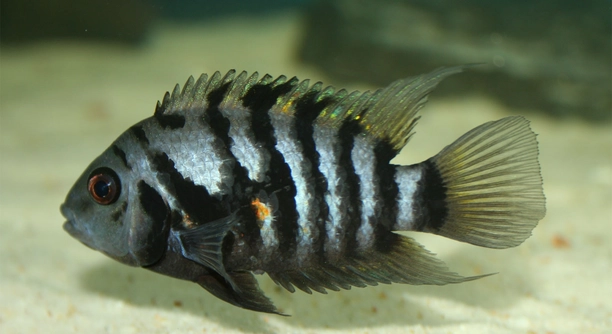
African cichlids are well known for their unique behaviors in aquariums and natural habitats. One common sight is how they protect a specific area, often staying close and alert. This guarding behavior plays an important role in their daily lives and survival.
African cichlids guard a particular spot mainly to protect their territory, eggs, or young fry from predators and rival fish. This territorial defense ensures the safety and successful reproduction of their species by keeping threats away.
Learning about why cichlids guard their space can help hobbyists care for them better and understand their natural instincts more clearly.
Understanding Territorial Behavior in African Cichlids
African cichlids are naturally territorial fish. In the wild, they claim specific spots that offer safety and resources. These spots may include rocky crevices, caves, or flat surfaces ideal for laying eggs. Once a cichlid chooses its territory, it spends a lot of time defending it against intruders. This behavior is not random; it helps them maintain a safe space to live and reproduce. In an aquarium, similar patterns emerge. The fish pick spots they feel comfortable with and protect them just as fiercely as in nature. This territorial instinct helps reduce stress and encourages natural behavior. When the fish feels secure in its area, it is more likely to thrive. Observing this behavior can help aquarium owners arrange their tanks in ways that support the fish’s needs and reduce conflicts.
Territorial guarding is a sign that your cichlid is comfortable and establishing a home. This behavior is natural and important for their well-being.
Knowing these instincts can guide how you set up your tank, ensuring your cichlids have enough space and hiding spots to claim.
The Role of Breeding in Spot Guarding
During breeding, African cichlids become even more protective of their chosen spot. This place often holds their eggs or fry, making it vital for their survival. The guarding fish actively chases away potential threats, including other fish that might harm the young. Both male and female cichlids can display this behavior, although it often varies by species. This protective action increases the chances of offspring reaching maturity. In a home aquarium, it is important to recognize this behavior and avoid disturbing the fish. Providing plenty of hiding places can help reduce stress on both parents and their young. The guarding period may last several weeks until the fry are ready to swim freely. Understanding this phase can improve the success of breeding efforts and overall tank harmony.
How Cichlids Choose Their Spot
Cichlids select spots that offer protection, food access, and ideal conditions for their eggs or young. These locations often have shelter like rocks or plants and are easy to defend.
The choice of spot depends on the environment and the individual fish’s needs. In natural settings, they prefer areas with hiding places and good water flow, which brings in food and oxygen. In aquariums, they look for similar features like caves or crevices. The spot must feel safe from predators and other fish. Once chosen, the fish marks the territory with visual displays and by chasing intruders. This behavior helps reduce fights and keeps the area secure for reproduction and rest.
Cichlids use their senses to find spots with the best conditions. They inspect the area carefully, sometimes moving small stones or rearranging substrate to make it perfect. This effort shows how important the chosen spot is for their survival and comfort.
Signs That Your Cichlid is Guarding a Spot
When a cichlid guards a spot, you might notice it staying close to one place, often near rocks or decorations. It becomes alert and reacts quickly to nearby movement.
Guarding behavior includes chasing away other fish that come too close and displaying bright colors or flaring fins to warn intruders. The fish might dig or clean the area to prepare it for eggs. This focus on one spot can make the cichlid less active in other parts of the tank. It is important not to disturb the fish during this time to avoid stress. Providing enough space and hiding places helps reduce aggressive behavior. Watching these signs helps you understand when your cichlid feels secure and is protecting its territory. This knowledge can improve how you manage your aquarium environment.
Managing Aggression Around Guarded Spots
Aggression is common when cichlids guard their spots, especially during breeding or territory defense. This behavior is natural but can cause stress for other fish in the tank.
To manage aggression, provide plenty of hiding places and enough space. Rearranging decorations sometimes helps reduce fights by breaking sight lines between territorial fish.
Feeding and Spot Guarding
Cichlids often stay near their guarded spots during feeding times to protect their territory from intruders. This behavior ensures they control the resources in their area and reduce competition.
In aquariums, feeding near the guarded spot supports natural behavior. It also helps the fish feel more secure while eating, lowering stress levels.
Tank Setup Tips for Guarding Behavior
Providing rocks, caves, and plants creates natural hiding spots that satisfy cichlids’ guarding instincts. A well-structured tank reduces conflict and supports peaceful territory boundaries.
Changing the tank layout occasionally can help reset territories and lower aggression between fish.
When to Intervene
Intervene if aggression causes injury or severe stress. Sometimes separating the most aggressive fish is necessary for the health of the entire tank community.
FAQ
Why do African cichlids guard only one spot?
African cichlids guard a single spot because it often serves as their territory or breeding area. This spot provides safety for their eggs or fry and access to food and shelter. By focusing on one area, they can better defend it from rivals or predators. This behavior increases their chances of survival and successful reproduction.
How long do cichlids guard their spots?
The guarding period varies but usually lasts several weeks, especially during breeding. After laying eggs, the parents protect the area until the fry can swim safely on their own. Outside of breeding, some cichlids may continue defending a territory to secure resources and reduce stress caused by competition.
Can guarding behavior cause problems in a community tank?
Yes, guarding can lead to aggression and stress among tank mates. Territorial fish may chase or nip at others who come too close. Providing enough space, hiding spots, and visual barriers can help reduce conflicts. Monitoring fish behavior closely helps to catch and address any aggressive outbreaks early.
Is it normal for cichlids to be aggressive when guarding a spot?
Aggression is a natural part of guarding behavior. Cichlids display aggressive actions like chasing, flaring fins, or brightening colors to warn others away. This helps establish boundaries and protect their territory. However, if aggression becomes excessive or causes injury, intervention might be necessary.
How can I reduce aggression caused by guarding?
To reduce aggression, ensure your tank is large enough and has plenty of hiding places. Rearranging decorations periodically can break established territories and reduce fights. Feeding cichlids near their guarded spots can also help keep them calm. Sometimes, separating very aggressive individuals is the best solution.
Do all African cichlid species guard spots the same way?
No, guarding behaviors differ among species. Some cichlids are highly territorial and aggressive, while others are more peaceful or guard in pairs rather than alone. Understanding the specific species’ habits helps tailor tank setups and care routines to suit their needs.
Can guarding behavior change over time?
Yes, guarding can change based on the fish’s age, breeding status, and tank environment. Younger or non-breeding fish may guard less aggressively. Changes in tank layout or population can also influence how intensely a fish defends its spot. Regular observation is important to adapt care accordingly.
Is it okay to remove a cichlid from its guarded spot?
Removing a cichlid from its guarded spot can cause stress and aggression. It’s best to avoid disturbing the fish, especially during breeding. If necessary, do so carefully and provide alternative territories to help reduce stress and territorial disputes.
What signs show a cichlid is stressed due to guarding?
Signs of stress include constant hiding, loss of color, reduced appetite, or erratic swimming. Over-aggression toward tank mates can also indicate stress. Keeping the tank environment comfortable and providing enough space helps lower stress levels.
Can guarding behavior affect the health of other fish?
Yes, aggressive guarding can harm other fish by causing injuries or stress-related illnesses. Stress weakens immune systems, making fish vulnerable to disease. Managing aggression through tank setup and careful monitoring protects the health of all aquarium inhabitants.
Should I separate fry from guarding parents?
It depends on the species. Some cichlid parents care for their fry well, while others may become aggressive or eat them. If aggression toward fry becomes a problem, separating them into a safe grow-out tank is advisable. Research your species to decide the best approach.
How do I know if my cichlid’s guarding is healthy?
Healthy guarding includes clear territorial behavior without excessive fighting or injury. The fish should appear alert, bright in color, and active around the spot. The fry or eggs should be safe and cared for during breeding. If aggression or stress signs are frequent, adjustments may be needed.
Does diet affect guarding behavior?
A balanced diet supports overall health and reduces stress, which can influence aggression levels. Hungry or weak fish may become more defensive. Feeding high-quality food regularly helps maintain calm and healthy behavior in guarding cichlids.
Can environmental factors influence guarding behavior?
Yes, water quality, tank size, and decorations all affect guarding. Poor water conditions can increase stress and aggression. A crowded or barren tank may lead to stronger territorial disputes. Providing a clean, spacious, and well-decorated environment supports natural guarding without excess conflict.
African cichlids’ guarding behavior is a natural and important part of their life. This behavior helps protect their territory, eggs, and young fish from threats. When cichlids guard a spot, they are working to keep themselves and their offspring safe. Understanding this behavior helps aquarium owners provide better care for these fish. It also explains why cichlids can sometimes seem aggressive or very focused on one area in the tank. Knowing that this is normal can help reduce frustration when watching them interact.
Setting up a tank to support cichlids’ guarding instincts is key to keeping them healthy and happy. Providing plenty of hiding places, such as rocks, caves, and plants, gives the fish safe spaces to claim as their territory. A well-arranged tank also helps reduce fights and stress among the fish. Watching how your cichlids behave around their guarded spots can guide you in making changes to the tank. Sometimes small adjustments, like moving decorations or adding barriers, can make a big difference in reducing aggression.
Lastly, it’s important to remember that guarding behavior changes with different situations. Breeding times often bring out the strongest guarding instincts. During these periods, cichlids may be more protective and aggressive. Being patient and careful during this time is important for both the fish and the aquarium’s balance. Overall, understanding and respecting cichlids’ natural behavior helps create a peaceful and thriving environment. This knowledge not only improves the fish’s well-being but also makes caring for them more rewarding.

Hello,
If you enjoy the content that we create, please consider saying a "Thank You!" by leaving a tip.
Every little bit helps us continue crafting quality advice that supports the health, happiness, and well-being of pets around the world, for pets of all shapes, sizes, and species.
We really appreciate the kindness and support that you show us!