
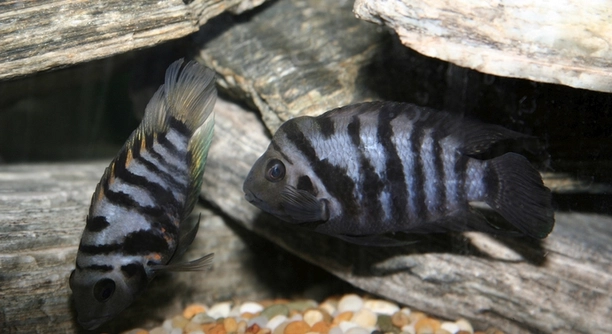
Are your African cichlids acting shy or avoiding interaction even after weeks in your care? You might be missing a key step in building trust. Understanding their behavior can help create a better bond between you and your fish.
The best way to build trust with an African cichlid is by maintaining a consistent routine, providing a stress-free environment, and using gentle, slow movements during feeding and cleaning. These practices help reduce fear and encourage familiarity.
Gaining your cichlid’s trust takes time, but small, daily actions can lead to noticeable changes. Let’s look at what you can do to help them feel safe and connected.
Creating a Safe and Comfortable Tank Environment
African cichlids need a stable and calm environment to feel secure. Start by making sure your tank is the right size—at least 30 gallons for a small group. Add plenty of hiding spaces using rocks, caves, and decorations. Cichlids like to claim territories, so breaking the line of sight with structures helps reduce stress. Keep the water clean by performing regular water changes and monitoring ammonia, nitrite, and nitrate levels. The temperature should stay between 76°F and 82°F. Use a reliable heater and filter. Avoid sudden movements near the tank and try not to tap the glass. These fish can be sensitive to noise and vibration. When they feel safe, they’ll begin to explore more and hide less. This is the first step toward building a better connection. Once their basic needs are met, they’ll be more open to observing you and possibly interacting during feeding times.
Watch their behavior after any tank change. If they hide more or stop eating, something may be bothering them.
Keeping things steady and predictable allows them to develop confidence. Even feeding at the same time every day can help create a sense of comfort and structure that they begin to rely on.
Gaining Trust Through Consistency and Feeding
Feed them at the same time every day using high-quality food. Stay still and quiet while they eat. This builds trust.
Once your cichlid gets used to your presence, it may start coming to the front of the tank when it sees you. This is a good sign. Keep your movements slow when near the tank. Sudden actions or loud sounds can set back any progress. During feeding, try to place the food in the same spot each time. You can also experiment with hand feeding once they seem comfortable. Rest your hand above the surface and slowly release pellets. Over time, some cichlids will approach your hand without fear. It’s important not to force anything. Let them come to you. If they seem hesitant, go back to feeding from a distance and try again later. Trust takes time and patience. Each fish is different, and some may warm up faster than others. Stay calm, be consistent, and they’ll respond in their own way.
Reading Their Body Language
Watch how your cichlid swims and reacts when you’re near. If it stays calm, doesn’t dart away, and moves smoothly, it’s likely feeling safe. Rapid swimming, hiding, or color changes can mean stress or discomfort. Pay attention to small changes in their daily behavior.
A relaxed African cichlid often explores its surroundings, interacts with tank mates calmly, and may even watch you through the glass. If your fish begins to eat from the surface while you’re close, that’s a good sign. Look for slow fin movements and gentle gliding rather than quick, sharp turns. Puffing up or flaring fins too often may be a sign of aggression or stress. If they hover in one spot or breathe rapidly, something could be wrong in their environment. Understanding how your cichlid behaves when it’s comfortable helps you notice when something’s off—and gives you a better chance to adjust things early.
They’ll start to recognize your routine if you stay consistent. Over time, they might even approach the glass when they see you. That doesn’t always mean they want food—it could be curiosity. You may even catch them watching your movements from a hiding spot. These little moments show growing trust and interest, which can build with patience.
Keeping Interactions Calm and Predictable
Avoid sudden changes in your behavior or routine. Speak softly near the tank, and keep your hand movements slow. Loud sounds, flashing lights, or quick actions can cause setbacks. Staying predictable helps your cichlid understand you’re not a threat.
Try to do daily maintenance tasks like feeding, checking water temperature, or wiping the tank glass at the same time each day. If you need to do a bigger cleaning, move slowly and give them time to adjust. Some fish will hide at first, but if you stay gentle and quiet, they’ll come back out. Use tools like nets carefully and only when needed. Avoid chasing them or moving decorations often. Keeping the tank layout stable gives them a stronger sense of place. A calm tank, paired with your steady actions, helps lower their stress. They’ll begin to link your presence with safety instead of chaos or fear.
Avoiding Common Stress Triggers
Rough handling, sudden water changes, or frequent tank rearrangements can make your cichlid feel unsafe. Even small changes in lighting or temperature can cause stress. Keeping things steady is one of the best ways to make them feel secure.
Avoid overcrowding, as it leads to fights and anxiety. Cichlids are territorial, so giving them enough space and hiding spots helps reduce tension. Watch for aggressive behavior from tank mates and separate them if needed.
Knowing When to Back Off
If your cichlid starts hiding more, refuses food, or shows pale colors, it may be feeling overwhelmed. Back off and give it space. Let it observe you from a distance. Don’t try to force interaction. Focus on keeping the tank calm and quiet. Let them regain confidence on their own time. Once they feel safe again, they’ll begin to come out and interact naturally. Small steps, like staying nearby without moving, can help them feel more at ease. Let trust build slowly—it’s better to go too slow than too fast.
Letting Your Fish Set the Pace
Every cichlid is different. Some open up quickly, while others take weeks. Let them decide when to interact.
How long does it take to build trust with an African cichlid?
Building trust with an African cichlid can take several weeks to months, depending on the fish’s personality and environment. Consistency and patience are key. Some cichlids may show signs of trust quickly by approaching during feeding, while others take longer to feel comfortable around you.
Can African cichlids recognize their owners?
Yes, African cichlids can recognize regular caretakers. They learn to associate your presence with feeding and safety. Over time, they may react differently when you approach compared to strangers, showing less fear and sometimes even curiosity.
Is hand feeding safe for African cichlids?
Hand feeding can be safe if done carefully and slowly. It helps build trust but should be introduced gradually. Start by dropping food near your hand and wait until they’re comfortable before trying to feed directly from your fingers. Always wash your hands first to avoid contamination.
What signs show that my cichlid trusts me?
Signs include swimming calmly near you, coming to the front of the tank during feeding, and less hiding. They may also watch your movements and show relaxed body language such as smooth fin movements and normal coloration. Avoidance and rapid swimming suggest they still feel nervous.
How can I reduce aggression when building trust?
Provide plenty of hiding spots and territory markers like rocks and caves. Keep the tank size appropriate to avoid overcrowding. Feed consistently and avoid sudden changes to reduce stress. Separating overly aggressive fish can help maintain peace and allow others to feel safe.
Should I touch my African cichlid?
It’s usually best not to touch African cichlids directly. They have delicate slime coats that protect them from infections. Frequent touching or grabbing can cause stress or injury. Focus on building trust through gentle presence and feeding instead of physical contact.
What should I do if my cichlid hides all the time?
If your cichlid hides constantly, check tank conditions first—water quality, temperature, and space. Make sure there are enough hiding places to help them feel secure. Reduce loud noises and sudden movements near the tank. Patience is important; as they feel safer, hiding will decrease.
Can I build trust with multiple African cichlids at once?
Building trust with multiple cichlids is possible but can be slower. Each fish has its own personality and comfort level. Make sure the tank is large enough to reduce competition and stress. Spend time observing each fish’s behavior and adjust your approach accordingly.
Is it normal for cichlids to be aggressive while building trust?
Yes, some aggression is normal, especially if they feel threatened or are protecting territory. It’s important to balance space and hiding areas. Aggression may lessen as they grow more comfortable with you and their environment.
How often should I interact with my African cichlid to build trust?
Daily, gentle interaction helps build trust over time. Consistent feeding routines and calm presence are more effective than long, sporadic sessions. Short, regular visits to the tank allow your cichlid to get used to you without feeling overwhelmed.
Building trust with an African cichlid takes time and patience. These fish are naturally cautious and need to feel safe before they open up to their owner. Creating a calm and stable tank environment is the first step. Keeping the water clean, providing enough space, and adding hiding spots helps reduce stress. When the fish feels comfortable in its surroundings, it is more likely to respond positively to your presence. Small, gentle actions every day build a sense of security and trust.
Consistency is very important when working with African cichlids. Feeding them at the same time and place each day lets them know what to expect. Moving slowly around the tank and avoiding loud noises shows them you are not a threat. Over time, they will begin to associate you with food and safety. This makes them more willing to come out and interact. Remember, every fish is different, so it is important to respect their pace. Some cichlids become curious and friendly quickly, while others may take weeks or longer to feel at ease.
It is also key to understand the fish’s behavior. Watching for signs of stress or comfort helps you know when to give them space or when to engage more. Avoid forcing interaction or making sudden changes in the tank. Trust grows best in a calm, predictable environment. By being patient and careful, you can build a positive connection with your African cichlid that improves its well-being and makes your experience more rewarding. With time, you will enjoy seeing your fish feel secure and even respond to your presence.

Hello,
If you enjoy the content that we create, please consider saying a "Thank You!" by leaving a tip.
Every little bit helps us continue crafting quality advice that supports the health, happiness, and well-being of pets around the world, for pets of all shapes, sizes, and species.
We really appreciate the kindness and support that you show us!