
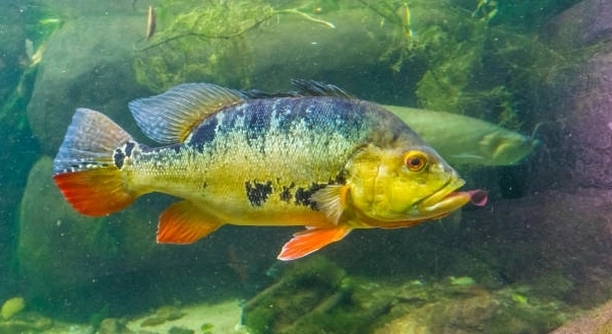
Is your cichlid often hiding, avoiding interactions, or reacting nervously to new tank additions and routine changes in its environment?
Building cichlid confidence involves providing a stable environment, consistent routines, proper tank mates, and ample hiding spaces. These elements reduce stress and help cichlids become more secure, encouraging them to display natural behaviors more openly.
Each of these seven tips offers a simple way to improve your cichlid’s behavior and overall well-being inside its home aquarium.
Create a Safe and Predictable Environment
Cichlids thrive when they feel secure in their surroundings. A consistent tank setup with minimal sudden changes helps them settle in and grow more confident. Rearranging decorations or introducing new tank mates too frequently can disrupt their sense of stability. Keep lighting, water temperature, and feeding times consistent. Choose calm tank mates that won’t provoke or stress them. Use plenty of natural-looking structures—rocks, plants, and caves—so they can hide when needed. When cichlids feel safe, they’re more likely to explore the tank and engage in active, social behavior. Stability encourages trust, which slowly builds confidence.
Avoid bright, shifting lights and sudden tank movements. Cichlids feel exposed when their surroundings are unpredictable or harsh.
A calm tank encourages natural behavior. Keeping things stable makes it easier for your cichlids to feel in control. That sense of control is key to helping them act more relaxed and confident every day.
Add Hiding Spots That Encourage Exploration
Caves, plants, and stacked rocks aren’t just for decoration—they serve a purpose. Hiding spots help reduce anxiety and let cichlids feel more in control.
Insecure cichlids often retreat when they feel exposed, which limits their movement and interaction. Offering multiple hiding places throughout the tank allows them to observe safely before deciding to explore. This setup gives them the freedom to move without pressure. Over time, they begin to feel safe leaving those spaces and swimming in the open. The goal is to create an environment where they don’t feel the need to hide constantly, but know they have the option. Avoid overcrowding decorations, as too much clutter can lead to territorial stress. Spread out shelters evenly and use a variety of sizes so every fish has a suitable spot. This balance of cover and open space helps cichlids learn the tank is a secure place, which naturally increases their confidence.
Limit Aggressive Tank Mates
Cichlids can become timid when paired with overly dominant or aggressive species. This constant stress lowers their confidence and keeps them from displaying natural behavior in the tank.
Avoid placing them with fish that are known to chase, nip, or compete aggressively for food. Choose compatible tank mates that match your cichlid’s size and temperament. If you notice frequent hiding, missing scales, or damaged fins, it may be a sign your cichlid feels unsafe. Rearranging the tank layout can sometimes reset territorial behavior, but if problems continue, remove the aggressive fish. Providing enough space and visual barriers can help reduce tension and give each fish a chance to establish its own area. Cichlids need to feel secure to build trust and confidence, and that’s easier to achieve when they’re not constantly defending themselves.
Let your cichlid grow comfortable by observing how it interacts with others. Remove or separate any fish causing long-term stress. Confidence grows in calm, respectful tank dynamics. Balance is key—when aggression is removed, your cichlid gets a real chance to relax and thrive.
Use a Routine Feeding Schedule
Feeding at the same time each day builds trust. Your cichlid will begin to anticipate food, which creates a sense of structure that promotes confidence over time.
Unpredictable feeding can leave fish anxious or overly alert. A consistent schedule creates familiarity and security, encouraging them to come out and engage more often. Watch for signs of interest like approaching the front glass or hovering near the surface when it’s feeding time. These small behaviors are indicators of growing trust. Avoid overfeeding or sudden diet changes, as these can lead to digestive issues and discomfort, making them more hesitant and withdrawn. Keep portions manageable and quality high. Using floating and sinking pellets can also help reduce competition during feeding. When your cichlid learns that food arrives regularly without stress, it feels more at ease and is more likely to become active and curious.
Confidence builds through repeated, predictable experiences. A feeding routine gives your cichlid something reliable to expect, easing its anxiety. Consistency helps it feel more in control and encourages it to become more interactive and visible during feeding time. Over time, this simple change can shift behavior, helping shy cichlids become more engaged and less fearful.
Minimize Loud Noises and Vibrations
Sudden sounds or strong vibrations can cause cichlids to dart away or hide. Keep the tank away from speakers, heavy foot traffic, or slamming doors to help reduce stress.
Use a soft sponge underneath the tank or stand to reduce ground vibrations. A calmer space helps fish feel safe.
Introduce Visual Stimulation Gradually
Cichlids respond well to their surroundings, but too many changes too quickly can make them nervous. When adding new decorations, background colors, or lighting, do it slowly. A gradual introduction helps them adjust without feeling overwhelmed. If they swim away from new additions, give them time. Let them explore on their own. Use natural tones and shapes that mimic their native environment, which can help them feel more familiar and secure. Avoid sudden changes in brightness, especially LED lights that shift rapidly. Over time, gentle adjustments make the tank feel less threatening. Confidence grows when new stimuli are introduced in a calm, steady way.
Avoid Overcrowding the Tank
Too many fish in one space makes it hard for cichlids to establish territory. This creates tension and lowers their confidence quickly. A spacious tank with clearly defined areas supports more relaxed and confident behavior.
FAQ
How can I tell if my cichlid is stressed or lacking confidence?
Signs of stress or low confidence include hiding often, sudden aggressive behavior, loss of appetite, and faded coloration. If your cichlid spends most of its time in hiding spots and avoids interacting with tank mates or exploring the tank, it may feel insecure. Frequent fin nipping or clamped fins can also be indicators. Watching these behaviors closely helps identify if changes are needed to improve their environment and comfort level.
What types of hiding spots work best for boosting confidence?
Natural caves, plants, and rock formations provide ideal hiding places. Use a variety of sizes so your cichlid can choose a snug spot or a more open shelter. Smooth-edged decorations are safer and more comfortable for the fish. Arrange hiding spots throughout the tank to encourage exploration while offering a retreat when needed. Avoid overcrowding, which can increase stress and territorial disputes.
Is it okay to have aggressive tank mates with cichlids?
No, aggressive tank mates often cause stress and reduce cichlid confidence. Aggression leads to frequent chasing, injuries, and fear, which inhibits natural behaviors. Instead, choose peaceful or similarly tempered species that don’t compete aggressively for food or territory. A balanced community tank supports healthier, more confident cichlids.
How important is water quality in boosting cichlid confidence?
Water quality is critical. Poor water conditions cause stress, illness, and lethargy, which negatively affect confidence. Keep water parameters stable by regularly testing pH, ammonia, nitrites, and nitrates. Frequent partial water changes and proper filtration help maintain a clean environment. A healthy tank promotes natural activity and relaxed behavior.
Can diet affect my cichlid’s confidence?
Yes, a balanced diet contributes to overall health and behavior. Feeding high-quality pellets, flakes, and occasional live or frozen foods provides necessary nutrients. Avoid overfeeding to prevent digestive issues that can cause discomfort and stress. A well-nourished cichlid has more energy and shows more confident, active behavior.
What role does tank size play in cichlid confidence?
Tank size matters because crowded spaces increase competition and stress. Cichlids need enough room to establish territories and swim freely. Larger tanks with proper decorations give fish more choices and reduce conflicts. A spacious environment supports social behaviors and confidence.
How can I introduce new fish without stressing my cichlid?
Introduce new fish slowly and use a quarantine tank first. When adding fish, rearrange decorations to reset territories and reduce aggression. Monitor interactions closely and separate fish if aggression occurs. Gradual introductions help cichlids adjust and maintain confidence.
Why is a consistent routine important for my cichlid?
Consistency reduces anxiety by making the environment predictable. Feeding, lighting, and maintenance should happen at regular times. This predictability helps cichlids anticipate what’s coming, which reduces fear and builds trust. Routines support a stable environment where confidence can grow naturally.
How can I encourage shy cichlids to explore more?
Provide multiple hiding spots and keep the tank calm. Use slow, gentle movements around the tank and avoid sudden disturbances. Over time, cichlids learn the environment is safe and start exploring. Patience and a stable setting are key to encouraging more active behavior.
Is it necessary to avoid sudden changes in lighting?
Yes, sudden lighting changes can startle cichlids and increase stress. Use dimmable or adjustable lights that gradually brighten or dim. Natural daylight cycles with consistent periods of light and darkness help maintain their internal rhythms. Stable lighting supports calmer, more confident fish.
Can environmental enrichment improve cichlid confidence?
Environmental enrichment like varied decorations, plants, and occasional changes in layout encourages natural exploration and curiosity. It stimulates mental activity and reduces boredom. However, changes should be introduced slowly to avoid stress. Enrichment promotes a healthier, more confident fish.
What should I do if my cichlid continues to hide and refuses to interact?
Evaluate tank conditions including water quality, tank mates, and hiding spaces. Ensure all elements support security and comfort. Sometimes, shy cichlids take weeks or months to adjust. If behavior persists, consult with a fish expert or vet to rule out illness or injury. Patience and proper care usually improve confidence over time.
Final Thoughts
Building confidence in cichlids takes time and careful attention to their environment. Small changes can have a big impact on how your fish behave and interact in the tank. By creating a stable, safe space with consistent routines, you help your cichlid feel secure. This sense of security is the foundation for them to grow more confident. It allows them to explore, socialize, and show their natural behaviors without fear. Keeping the tank clean and balanced also plays an important role, as stress from poor water conditions can hold back progress.
It is important to remember that each cichlid is unique. Some may adjust quickly, while others need longer to feel comfortable. Watching your fish closely will give you clues about what they need. Sometimes, simply adding more hiding spots or adjusting tank mates can make a big difference. Avoid rushing or forcing interactions. Patience is key when helping shy or nervous cichlids build trust in their surroundings. Over time, you will notice them becoming more active and displaying a wider range of behaviors, which is a good sign of growing confidence.
Taking care of cichlids means paying attention to both their physical and emotional needs. Confidence is linked to a healthy, stress-free environment. By following simple steps like maintaining a consistent feeding schedule, limiting stressors, and providing proper tank conditions, you support your fish’s well-being. This thoughtful approach creates a positive space where cichlids can thrive. With steady care and observation, your cichlids will become more comfortable and confident companions in your aquarium.

Hello,
If you enjoy the content that we create, please consider saying a "Thank You!" by leaving a tip.
Every little bit helps us continue crafting quality advice that supports the health, happiness, and well-being of pets around the world, for pets of all shapes, sizes, and species.
We really appreciate the kindness and support that you show us!