
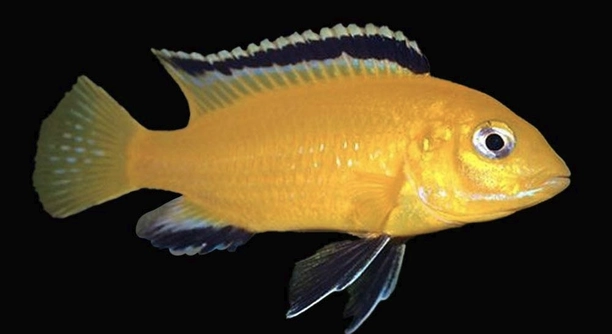
Are your African cichlids constantly kicking up sand, leaving your aquarium looking cloudy and unsettled after every cleaning session?
African cichlids blow sand primarily to establish territory, search for food, or prepare a spawning site. This behavior is instinctual and often tied to their natural habitat, where they regularly sift through substrate for practical and reproductive purposes.
This behavior may seem disruptive, but it plays an important role in their daily routine and overall well-being in a home aquarium.
Why Cichlids Blow Sand in the Tank
African cichlids blow sand as part of their natural behavior, often linked to instincts from their native habitats. In lakes like Malawi and Tanganyika, these fish dig pits and sift through the sand to find food particles, mark territory, or prepare for breeding. In a home aquarium, they continue these behaviors even if food is regularly available. The movement of sand allows them to interact with their space, asserting dominance or making a spot more comfortable. It’s also a way to express energy and explore their surroundings. Blowing sand isn’t always a sign of stress or aggression—it’s often just how they maintain their environment. Some species are more active than others, especially males during mating periods. If your tank has soft, fine substrate, you’ll likely notice this behavior more often. It helps to understand this as a form of communication and interaction, not simply a mess they make.
Blowing sand helps them feel secure in their space, especially when competing with other fish for zones in the aquarium.
This behavior can appear more intense during breeding seasons. Males prepare nests by digging, while females may follow behind. It’s part of their natural way of setting up a safe area for their young.
How to Manage Excessive Sand Movement
This behavior doesn’t always need to be stopped. It becomes a concern when sand piles block filters or create unstable conditions.
If sand movement is excessive, try adjusting the tank layout. Placing rocks or decorations can reduce open areas where they dig. Avoid sharp-edged decor that could hurt them while they work through the substrate. Also, consider using slightly heavier sand that’s still soft enough for them to sift but doesn’t cloud the water easily. Keep the substrate depth to a moderate level—too much can make digging more chaotic, while too little limits their natural behavior. Routine maintenance helps, especially cleaning around filter intakes. Make sure water parameters are steady, as unstable conditions can increase digging due to stress. If aggressive sand blowing is tied to dominance, ensure the tank has enough hiding spots to reduce competition. Feeding schedules can also play a part—regular, consistent feeding may decrease their instinct to search through the substrate constantly. Watching your cichlids closely helps you decide what adjustments actually improve their comfort and balance in the tank.
Understanding Territory and Breeding Behavior
Territorial behavior plays a big role in why African cichlids blow sand. Males, in particular, are known to dig pits as a way to claim space and attract females during breeding times.
When a male cichlid selects a specific area of the tank, he may start clearing sand to mark that spot as his own. This is often a breeding signal, letting nearby females know he’s ready to spawn. He may also defend this space from other fish by chasing or displaying dominance. Females sometimes blow sand too, especially if they are preparing to lay eggs. This type of digging is usually centered around flat stones or sheltered spaces. These behaviors are natural and shouldn’t be interrupted unless they lead to aggression or tank instability. Offering enough space and hiding spots helps prevent fights and keeps breeding behavior more controlled.
If your tank has too many males or lacks hiding spaces, territorial digging can become stressful. Multiple males competing for space may dig more aggressively and disturb tank decor or substrate layers. Separating aggressive males or rearranging the tank layout can reduce competition. Providing flat surfaces or caves gives them suitable areas to focus their activity without overwhelming the tank balance. Monitoring their interactions can help you make small changes before things escalate. Each cichlid has a slightly different personality, and small environmental tweaks often make a big difference in keeping the peace. Tank size, the number of fish, and decor layout all influence how intense territorial sand-blowing becomes. Regular observation is key to understanding their habits.
Impact on Tank Maintenance
Sand blowing can affect filter function, especially if particles are pushed into the intake or cause buildup. It also stirs debris, making the water appear cloudy after cleaning.
To manage this, keep filter intakes slightly above the substrate and use a sponge pre-filter if needed. You can also reduce sand disruption by using heavier-grain sand or placing stones near sensitive filter areas. Vacuuming around active digging zones helps remove waste buildup, which can reduce cloudiness. Some owners also use plant pots or tiles to encourage fish to dig in safer, less disruptive areas. A bit of planning makes a big difference.
This behavior doesn’t mean your tank is unhealthy, but it can change how often you need to clean. Cichlids tend to target the same spots, so identifying those zones allows you to focus your cleaning efforts more efficiently. Avoid over-cleaning the substrate, though, as it holds helpful bacteria. Instead, use a light hand vacuum in areas with heavy digging and debris buildup. Also, consider repositioning decor if fish constantly undermine it, especially rocks that could fall and injure them. Keep an eye on your filter flow rate—sand particles can wear down impellers over time. Maintenance becomes easier once you understand the rhythm of your fish and how their habits shape the tank environment.
Signs the Behavior Is Normal
If your cichlids are digging but remain active, eat well, and display bright colors, the sand-blowing is likely normal. Calm swimming, regular feeding, and stable interaction with tank mates are good signs of a healthy environment.
Watch for patterns. If digging happens in the same areas and doesn’t disturb other fish, it’s likely tied to comfort or instinct. Fish resting near their pits or guarding them usually feel secure, not stressed. These signs help confirm the behavior isn’t a cause for concern.
When to Be Concerned
Excessive digging paired with faded colors, rapid breathing, hiding, or aggression can signal stress. This may result from poor water quality, overcrowding, or incorrect tank setup. Sudden behavior changes are often a response to something new in their environment. If multiple fish seem stressed or compete constantly for space, review your tank’s layout, water parameters, and stocking levels. Testing ammonia, nitrites, nitrates, and pH can help rule out water issues. Adding more decor or hiding spots can lower tension. Cichlids thrive in stable, spacious setups with predictable routines. Keeping their environment balanced helps reduce problem behaviors and supports long-term health.
Substrate Choices Matter
Choosing soft, smooth sand supports digging behavior while reducing the risk of injury. Avoid sharp gravel or coarse materials that can harm their gills or mouths. A fine-grain substrate allows them to act naturally and keeps the tank more comfortable.
FAQ
Is it normal for African cichlids to dig all the time?
Yes, it’s completely normal. African cichlids often dig and move sand as part of their natural behavior. Some fish may do it more frequently than others, especially during breeding times or when claiming a favorite area of the tank. If they’re active, healthy, and eating well, there’s usually nothing to worry about. It becomes a problem only if it causes stress, injuries, or damage to tank equipment or decor. Each fish has its own habits, and digging is a common way they explore, feel secure, and stay engaged in their environment.
Can digging be a sign of stress or illness?
Sometimes, yes. If sand-blowing is paired with other symptoms like loss of appetite, hiding, pale color, or fast breathing, it may be a sign of stress or illness. Stress can come from poor water conditions, bullying from tank mates, or lack of hiding spaces. Illness or parasites may also cause behavior changes. Always monitor water parameters and check for signs of injury or infection. If only one fish is acting strangely, separate it to observe more closely. In most cases, fixing the environment helps stop stress-related digging.
Should I stop my cichlids from digging?
Not really. Digging is a natural and healthy behavior. Trying to stop them can lead to frustration or stress. Instead of stopping it, try to manage it. Offer stable decor, use smooth sand, and make sure filters are protected. You can guide where they dig by placing flat stones or open sand patches in specific areas. If digging becomes destructive, check that the tank isn’t overcrowded or poorly designed. Managing their environment is more effective than trying to change their instincts.
Is sand better than gravel for African cichlids?
Yes, sand is usually better. African cichlids naturally sift through soft sand in their native habitats. It’s gentler on their gills and mouths and lets them dig more easily. Gravel can be too coarse, leading to injuries or frustration. If you prefer gravel for appearance, choose smooth, rounded types, but be aware they may not allow natural digging behavior. Sand also helps maintain water quality by holding less trapped waste than deep gravel beds. Just be sure to stir it gently during cleanings to avoid anaerobic pockets.
How deep should the sand be in the tank?
A layer of 1.5 to 2 inches of sand is usually enough. This allows cichlids to dig without making the tank unstable. Too much sand can become compacted and trap waste, while too little might not meet their needs. Depth also depends on your tank’s size and the number of fish. If you notice excessive cloudiness or frequent filter issues, adjusting the depth may help. Regular vacuuming during water changes will keep the substrate clean and safe for digging. Avoid adding large amounts at once to prevent imbalance.
What types of sand are safe to use?
Play sand, pool filter sand, and aquarium-specific sand are all good options. Choose a brand that is fine, smooth, and chemical-free. Pool filter sand is usually cleaner and heavier, which helps reduce clouding. Avoid colored craft sand or beach sand, as they may contain dyes, salt, or contaminants. Rinse the sand thoroughly before adding it to the tank. Even safe sand can release dust or particles that cause cloudiness. Test a small amount in water to make sure it settles well. The right sand helps support their natural digging and keeps your tank stable.
How do I stop sand from getting into the filter?
Raise the filter intake a few inches above the substrate and use a sponge pre-filter to catch loose particles. Some fish dig right under intakes, so place rocks or decorations nearby to block direct access. Regularly check your filter parts for wear. Sand can wear down impellers over time if it’s constantly sucked in. If cloudiness becomes a problem, consider using heavier sand or rearranging decor to guide digging to safer zones. A combination of spacing, protection, and layout control goes a long way in preventing damage and keeping the tank clean.
Why do cichlids dig more at certain times?
Digging often increases during breeding periods or after tank changes. Males dig to claim territory and attract females, while both sexes may dig to build nests or create hiding spots for eggs. Environmental changes like rearranged decor, new tank mates, or water changes can also trigger more digging. These shifts prompt cichlids to reestablish their zones. If the behavior starts suddenly and is intense, review your tank setup for stress factors. Most of the time, it’s a short phase that settles down once they feel comfortable again.
Can sand digging affect water quality?
Yes, but mostly in indirect ways. Constant digging stirs up debris and uneaten food, which can cause cloudiness and raise waste levels. This may stress other fish or strain your filter. Over time, excessive waste buildup can affect ammonia, nitrite, and nitrate levels. To prevent this, vacuum the sand lightly and maintain a regular cleaning schedule. Monitor your water parameters often, especially if you notice changes in fish behavior or tank clarity. Keeping the substrate clean and the tank well-maintained helps reduce the impact of sand-blowing on water quality.
Final Thoughts
African cichlids blowing sand is a common and natural behavior. It may look messy at times, but it usually means the fish feel comfortable and secure in their environment. Digging helps them mark territory, prepare for breeding, or simply adjust their space to their liking. Most of the time, this activity is not something to worry about. As long as your fish appear healthy, active, and free of stress, sand-moving behavior can be seen as a normal part of their daily routine. It shows they are engaged and behaving in ways that come naturally to them.
However, it’s still important to keep an eye on the tank. Sand blowing can sometimes lead to issues if not managed properly. It may cause cloudy water, affect filter performance, or disrupt tank decor. In some cases, it may even point to stress or an issue with the tank setup. Watching for signs like faded colors, hiding, or sudden aggression can help you catch problems early. Simple steps like adjusting decor, raising filter intakes, or adding more hiding spaces can make a big difference. Providing a calm, well-organized tank environment helps keep this behavior from becoming disruptive.
Every cichlid is a little different, and the way they interact with their surroundings may vary. Some may dig only a little, while others may constantly rearrange their space. Learning to understand their habits will make it easier to care for them. A balanced tank with enough space, proper filtration, and a soft sand substrate supports their natural instincts while keeping things clean and stable. Regular maintenance, water checks, and observing their behavior will help you know when things are working well—and when something needs a small change. In the end, allowing your cichlids to dig and shape their space not only supports their health but also creates a more interesting tank environment for both them and you.

Hello,
If you enjoy the content that we create, please consider saying a "Thank You!" by leaving a tip.
Every little bit helps us continue crafting quality advice that supports the health, happiness, and well-being of pets around the world, for pets of all shapes, sizes, and species.
We really appreciate the kindness and support that you show us!