
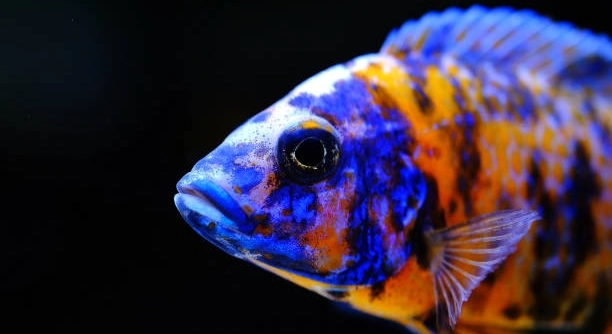
Cichlids are popular aquarium fish known for their vibrant colors and interesting behaviors. Many aquarium enthusiasts keep them in smaller tanks due to space limits. Understanding how cichlids behave in confined spaces is important for their care and well-being.
Cichlids do exhibit territorial behavior even in small tanks. Limited space can increase aggression as fish compete for territory, hiding spots, and resources. Proper tank management and careful stocking can help reduce stress and conflicts among cichlids.
Knowing how territory affects cichlids in smaller tanks can improve your aquarium setup and create a healthier environment for your fish. This article explains the key points to consider.
How Territorial Behavior Manifests in Small Tanks
Cichlids naturally establish territories to secure food, shelter, and breeding sites. In a small tank, this instinct can become more pronounced due to limited space. Fish may display chasing, fin flaring, or digging to defend their area. These behaviors help them communicate dominance and boundaries to other cichlids. However, in confined environments, repeated territorial disputes can cause constant stress, affecting fish health and growth. Tank decorations, such as rocks and plants, can provide hiding spots, reducing visible confrontations. Arranging the tank to create visual barriers can help break line-of-sight, lowering aggression. Regular observation is important to identify signs of excessive fighting or injury early. Adjustments in tank setup or fish numbers may be necessary to maintain harmony.
Territorial aggression in small tanks can harm cichlids if not managed properly.
Creating a balanced environment in limited space requires understanding fish behavior and tank design. Careful placement of decorations and moderate stocking help diffuse tension. Separating aggressive individuals or increasing hiding spots can reduce conflicts. Paying attention to cichlids’ interactions supports their well-being. Small tanks demand more vigilance, but with proper management, territorial behavior becomes manageable rather than destructive.
Tank Size and Stocking Considerations
Tank size plays a critical role in territorial disputes among cichlids.
Smaller tanks increase competition because fish have less room to claim separate spaces. Overstocking worsens this issue, as more fish compete for the same limited area. It’s important to choose tank mates wisely and avoid overcrowding. A larger tank provides more opportunities for each cichlid to establish its own territory and reduces constant confrontations.
Managing stocking density means not only limiting the number of fish but also selecting species with compatible temperaments. Some cichlids are more aggressive by nature, while others tolerate tankmates better. In small tanks, selecting less aggressive species or fewer individuals minimizes stress. Maintaining excellent water quality also supports fish resilience. Frequent water changes and good filtration prevent conditions that could worsen aggression. Keeping these factors in balance helps create a stable and peaceful aquarium, even in limited space.
Signs of Stress in Cichlids Due to Territory Issues
Stress in cichlids often shows through changes in behavior or appearance. Signs include hiding more than usual, loss of appetite, or faded colors. Constant chasing or fin damage may also indicate territorial disputes are affecting their well-being.
Prolonged stress weakens cichlids’ immune systems, making them more prone to illness. Aggressive interactions can lead to injuries and reduce their ability to thrive. Watching for subtle signs like lethargy or changes in swimming patterns helps catch problems early. Early intervention can prevent serious health issues. Adjusting tank conditions, such as rearranging decorations or separating aggressive fish, often improves their comfort and reduces stress-related behavior.
It is helpful to maintain a calm environment to minimize stress. Keeping a consistent feeding schedule and monitoring water quality supports fish health. When territorial aggression causes visible harm, it may be necessary to rehome some fish or upgrade to a larger tank to provide adequate space.
How to Reduce Territorial Aggression in Small Tanks
Proper tank layout is key to reducing aggression. Using rocks, plants, and decorations to break sight lines helps fish feel less exposed. This interrupts aggressive behavior by creating natural barriers.
Providing enough hiding places allows submissive fish to escape dominant ones. Overcrowding worsens conflicts, so limit the number of fish based on tank size and species. Avoid mixing highly aggressive cichlids in small tanks. Feeding multiple times daily in small amounts reduces competition for food and helps keep peace. Monitoring fish regularly lets you catch early signs of stress or injury.
Separating aggressive individuals using tank dividers or temporary relocation can give the community time to calm down. Gradual changes to tank setup and careful selection of tank mates also improve harmony. These strategies require patience but greatly enhance the living environment for all fish involved.
Choosing Compatible Cichlids for Small Tanks
Selecting species that naturally tolerate close quarters reduces territorial disputes. Dwarf cichlids and less aggressive varieties are better suited for smaller tanks. Avoid mixing overly aggressive types to maintain peace.
Compatibility is key in crowded environments. Research each species’ behavior before adding them to your tank. This helps create a balanced community with less conflict.
Impact of Tank Decorations on Territorial Behavior
Tank decorations influence how cichlids claim territory. Natural elements like rocks and plants provide boundaries and shelter. These structures reduce line-of-sight, limiting aggressive displays.
Decorations should be arranged to create multiple separate zones. This encourages fish to establish smaller territories without constant overlap, which helps lower aggression in confined spaces.
Feeding Practices to Minimize Aggression
Regular feeding reduces competition among cichlids. Offering food multiple times a day in small amounts ensures all fish get enough without fighting.
A consistent feeding routine also keeps fish calm and less likely to act out aggressively over resources.
Monitoring and Adjusting Over Time
Continuous observation is necessary to maintain harmony. Fish behavior can change as they grow or as tank conditions shift.
FAQ
Can cichlids live peacefully in small tanks?
Cichlids can live in small tanks, but peace depends on species, tank setup, and stocking levels. Smaller, less aggressive species adapt better. Providing enough hiding spots and proper decorations helps reduce territorial fights. Overcrowding or mixing aggressive species increases stress and conflict, making peaceful living difficult.
Why do cichlids become aggressive in small tanks?
Aggression arises mainly from limited space. In small tanks, cichlids compete for territory, food, and shelter. Without enough room to claim separate areas, fights break out more often. Stress from crowding can worsen behavior. Proper tank management and stocking help minimize these issues.
How can I tell if my cichlids are stressed?
Signs of stress include faded colors, hiding, reduced appetite, and damaged fins. Aggressive chasing and erratic swimming may also indicate stress. Watch for changes in behavior or appearance, as early detection allows timely adjustments to improve their environment.
What tank size is suitable for cichlids?
Tank size depends on species and number of fish. Small dwarf cichlids can live comfortably in tanks starting at 20 gallons. Larger, more aggressive species require tanks of 55 gallons or more. Always provide enough space for each fish to establish territory and avoid overcrowding.
How do decorations affect territorial behavior?
Decorations like rocks and plants create boundaries, reducing visible confrontations. These visual barriers help fish feel secure and claim smaller territories. A well-decorated tank prevents constant line-of-sight aggression by breaking up open spaces.
Should I separate aggressive cichlids?
Yes. If aggression leads to injury or stress, separating the aggressive individual temporarily or permanently is advisable. Using tank dividers or moving fish to another tank can help restore peace. Sometimes, rehoming may be necessary to protect other fish.
Can feeding reduce aggression?
Feeding multiple times daily with small amounts can reduce competition for food. This keeps fish occupied and less likely to fight. Uneaten food should be removed to maintain water quality, which also influences fish health and behavior.
Is it better to keep one cichlid or a group?
Keeping one cichlid avoids territorial disputes but can cause loneliness or boredom. Groups can establish social hierarchies, which may reduce constant aggression if the tank is large enough. Careful selection of compatible species and proper tank size is essential for group housing.
How often should I check water quality?
Water quality should be checked weekly at minimum. Poor water conditions increase stress and aggression. Regular water changes and monitoring parameters like ammonia, nitrite, nitrate, and pH keep fish healthy and reduce territorial conflicts.
What are signs of a healthy cichlid community?
A healthy community shows balanced social behavior. Minor displays of dominance are normal, but excessive chasing or injuries are not. Fish should actively swim, feed well, and display vibrant colors. Hiding spots are used but not excessively. Overall, the tank should feel calm.
Final Thoughts
Cichlids are known for their territorial nature, and this behavior does not disappear in small tanks. In fact, limited space can make territorial instincts stronger, leading to more frequent conflicts between fish. It is important to understand that these behaviors are natural and part of how cichlids communicate and establish dominance. Keeping them healthy and stress-free in a small tank requires attention to their environment, tank setup, and the number of fish housed together. Small tanks demand careful planning to balance the fish’s needs with the space available.
Creating a well-structured tank with plenty of hiding places and natural barriers helps reduce aggressive encounters. Decorations like rocks, plants, and caves break up the space and provide separate zones where individual fish can retreat when feeling threatened. Choosing compatible species that tolerate smaller spaces and less aggressive behavior also plays a big role in maintaining peace. Feeding practices, such as providing small, frequent meals, reduce competition over food and help keep aggression low. Regular observation allows you to notice early signs of stress or injury, giving you the chance to intervene before problems escalate.
While small tanks can present challenges, they can still be a suitable home for cichlids when managed carefully. Patience and careful attention to tank conditions and fish behavior are essential. Adjusting tank decoration, stocking levels, and feeding routines may be necessary over time to maintain harmony. Understanding the territorial nature of cichlids and responding to their needs will help create a balanced and healthy aquarium environment. With the right approach, you can enjoy the beauty and personality of cichlids even in a smaller space.

Hello,
If you enjoy the content that we create, please consider saying a "Thank You!" by leaving a tip.
Every little bit helps us continue crafting quality advice that supports the health, happiness, and well-being of pets around the world, for pets of all shapes, sizes, and species.
We really appreciate the kindness and support that you show us!