
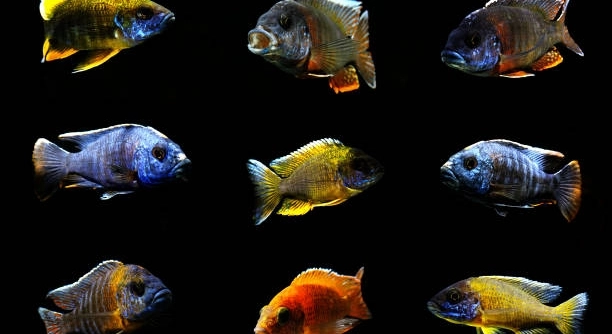
Cichlids are known for their strong territorial behavior, which can sometimes seem puzzling. Many owners notice their fish guarding areas in the tank that appear empty or unused. This behavior can feel confusing, especially when no obvious threat or item is present.
Cichlids guard empty spaces because these areas represent their established territory, which they instinctively protect from potential intruders. This territorial guarding is a natural behavior aimed at maintaining dominance and ensuring a safe environment for themselves and their future offspring.
Understanding why your cichlid acts this way can help improve tank management and reduce stress for your fish. This article explains the reasons behind this behavior and how to respond effectively.
Why Cichlids Guard Their Territory
Cichlids have a strong instinct to protect their living space. This behavior comes from their natural environment, where guarding territory means safety and access to resources like food and breeding spots. Even if the area looks empty to us, it holds value to them. This instinct is deeply rooted and helps keep other fish away, reducing competition and threats. When your cichlid guards a seemingly empty space, it is simply marking its territory. The fish uses displays like flaring fins and chasing intruders to maintain control over its area. This behavior is more common in species with strong territorial instincts. Knowing this helps us understand that the guarding isn’t random but a way your fish feels secure and in control of its environment.
This territorial guarding supports their survival and reproductive success in the wild. The behavior also reflects their need for a safe, stable home in the tank.
Observing your cichlid’s guarding can guide you in setting up the tank to reduce stress and aggression.
Recognizing Stress and Aggression Signs
Signs of stress or aggression in cichlids are usually clear and consistent. They may act more aggressively by chasing other fish or staying tense for long periods. Stressed fish can lose appetite or show faded colors.
Aggression helps cichlids protect territory but too much can harm other fish or lead to health problems. Recognizing early signs allows you to adjust the environment and avoid conflict.
How to Create a Comfortable Environment for Your Cichlid
Maintaining a proper environment is key to reducing unnecessary guarding and aggression. Providing enough hiding spots, rocks, and plants gives your cichlid secure areas and breaks up the tank visually. This reduces stress by limiting line-of-sight and territorial disputes. You can use decorations to create multiple small territories rather than one large open space. This arrangement helps distribute the fish evenly and lowers tension. Avoid overcrowding because too many fish increase competition and stress levels. Stable water conditions also support healthy behavior. Keep parameters consistent and perform regular maintenance to avoid stressing your cichlid. The right setup encourages your fish to feel safe without guarding empty spaces excessively, improving overall harmony in the tank.
Understanding Empty Spaces as Territory
Empty spaces in the tank serve as invisible boundaries for your cichlid. These areas represent control zones your fish feels responsible for protecting.
The fish’s natural instinct leads it to guard areas without visible objects because the boundaries define its personal space. Even if the space looks unused, it plays a role in their mental map of the tank. Cichlids mark these zones to prevent other fish from intruding. This behavior reduces surprises and potential threats. Fish rely on this system to establish order within their environment, helping reduce constant fights. Recognizing this helps explain why your cichlid acts protective over empty parts of the tank, as those spaces are part of its claimed territory.
Empty spaces also provide room for future activities like breeding or resting, so your cichlid sees value beyond what appears obvious.
Effects of Tank Size and Layout
Tank size directly impacts how much territory a cichlid will claim. Smaller tanks force fish to guard limited space more aggressively. With less room, territorial disputes are more frequent because boundaries overlap. Larger tanks allow better separation, reducing stress and guarding behavior. The tank layout also matters; a tank with plenty of hiding spots and varied decorations breaks the space into smaller, manageable territories. This helps your cichlid feel less threatened and less driven to guard empty spaces strictly. Arranging the tank thoughtfully supports peaceful coexistence. Consistent water conditions and minimal disturbances also prevent unnecessary stress, encouraging calmer behavior.
Adjusting tank size or rearranging decorations can reduce guarding over empty spaces, making your cichlid more relaxed and balanced.
Role of Breeding Behavior
Breeding instincts make cichlids guard spaces more fiercely. Empty areas become potential nesting sites.
During breeding, cichlids protect these zones to ensure safety for eggs and fry. This behavior can extend to guarding seemingly empty spaces even when no eggs are present yet.
Influence of Lighting and Noise
Harsh lighting and loud noises can increase your cichlid’s stress. Stressed fish tend to guard territory more aggressively. Creating a calm environment with moderate lighting and minimal noise helps reduce unnecessary guarding and keeps your fish relaxed.
Adjusting Feeding to Reduce Guarding
Feeding your cichlid regularly and in consistent amounts can reduce territorial guarding. Hunger and competition for food increase aggression and space guarding. A steady feeding routine helps your fish feel secure and less likely to defend empty areas aggressively.
When to Seek Expert Help
If guarding becomes extreme and leads to injury or stress in other fish, professional advice may be needed. A vet or experienced aquarist can help assess and suggest changes.
FAQ
Why does my cichlid guard empty spaces instead of hiding in caves or decorations?
Cichlids guard empty spaces because those areas represent their established territory. Even if there are no visible objects, these open spots serve as boundaries where the fish feels in control. Guarding empty spaces helps them prevent other fish from entering their claimed zone and maintains order in the tank.
Is it normal for cichlids to be aggressive when guarding territory?
Yes, aggression is a natural part of cichlid territorial behavior. They use displays like flaring fins, chasing, and sometimes biting to defend their space. This aggression helps protect resources and reduce competition, but excessive aggression might need to be managed to keep peace in the tank.
Can guarding behavior be reduced by changing the tank setup?
Absolutely. Providing enough hiding spots, rocks, and plants breaks up the space into smaller territories. This limits constant guarding over large empty areas. Rearranging decorations and ensuring the tank isn’t overcrowded can reduce stress and aggression, helping your cichlid feel less need to guard empty spaces.
Does tank size affect how much territory my cichlid will guard?
Tank size plays a significant role. Smaller tanks force cichlids to guard limited space more aggressively, while larger tanks allow them to spread out and claim multiple territories. A well-sized tank with thoughtful decoration reduces conflicts and guarding over empty areas.
How do breeding instincts influence guarding behavior?
During breeding, cichlids become more protective of their territory to secure safe nesting sites for eggs and fry. They may guard empty spaces more fiercely as potential places for spawning. This heightened guarding is temporary but can appear intense during breeding seasons.
Can stress increase territorial guarding in cichlids?
Yes, stress caused by poor water quality, loud noises, or bright lighting can increase territorial behavior. A stressed cichlid feels threatened and guards its space more aggressively. Maintaining stable water conditions and a calm environment reduces stress and helps limit unnecessary guarding.
What role does feeding play in guarding behavior?
Feeding affects territorial guarding because hungry cichlids guard food sources and nearby areas more aggressively. Providing regular, balanced feedings in consistent amounts helps reduce competition and guarding behaviors. When well-fed, cichlids feel more secure and less prone to defend empty spaces.
When should I be concerned about my cichlid’s guarding behavior?
Concerns arise if guarding leads to serious injuries among tank mates or continuous stress signs like loss of appetite or faded color. Excessive aggression may harm your fish’s health and the tank’s balance. In such cases, seeking advice from a vet or experienced aquarist is recommended.
Can I keep multiple cichlids together without constant guarding conflicts?
It’s possible by carefully choosing compatible species, ensuring enough space, and providing plenty of hiding spots. Proper tank management reduces territorial disputes. However, some cichlid species are naturally more aggressive and may not tolerate tank mates well, so research is essential.
Are there any natural ways to calm an overly territorial cichlid?
Providing an environment that mimics their natural habitat with rocks, plants, and stable water conditions can calm cichlids. Avoid sudden changes, maintain a regular feeding schedule, and keep the tank quiet. These factors reduce stress and help minimize excessive guarding behavior.
How long does territorial guarding usually last?
Territorial guarding can be ongoing as long as the fish perceives a threat to its space. During breeding, it may intensify but usually subsides afterward. If the tank setup is balanced and stress is low, guarding behaviors tend to be less constant and less aggressive.
Can rearranging the tank disrupt established territories?
Yes, rearranging the tank can temporarily confuse cichlids and increase guarding behavior as they re-establish boundaries. It’s best to make changes gradually and observe your fish’s reactions. Providing new hiding spots during rearrangement can ease the transition and reduce stress.
Is guarding empty spaces linked to the age or size of the cichlid?
Larger and more mature cichlids tend to be more territorial and guard spaces more actively. Younger or smaller fish may not claim large territories yet. As cichlids grow, their need to protect territory increases to secure resources and breeding opportunities.
How does water quality impact guarding behavior?
Poor water quality causes stress, which can make cichlids more aggressive and protective of their territory. Maintaining clean water with proper filtration, regular changes, and stable parameters keeps your fish healthy and reduces unnecessary guarding.
What should I do if my cichlid’s guarding causes injury to other fish?
Separating aggressive fish or providing more space and hiding spots can reduce conflict. In severe cases, consider moving the aggressive cichlid to its own tank. Consulting with an expert can help you find the best solution to protect all your fish’s well-being.
Cichlids guarding empty spaces is a natural behavior rooted in their instincts to protect territory and feel secure in their environment. These fish see empty areas as important parts of their domain, even if it’s not obvious to us. Understanding this behavior helps in creating a tank setup that respects their territorial needs. By recognizing that the empty spaces are part of your cichlid’s mental map, you can better manage how your fish interacts with its surroundings and other tank mates.
Creating a comfortable environment is key to reducing unnecessary aggression and excessive guarding. Providing enough hiding spots, decorations, and plants helps break the tank into smaller territories, making it easier for your cichlid to feel safe without having to guard large empty areas. Tank size also plays a major role; larger tanks give fish room to spread out and establish separate zones. Maintaining stable water conditions and avoiding sudden changes in lighting or noise keeps stress levels down, which in turn reduces territorial behavior. A calm, well-planned tank allows your cichlid to focus on normal activities rather than constantly defending space.
Managing your cichlid’s guarding behavior involves paying attention to their natural instincts and meeting their environmental needs. Regular feeding, proper tank maintenance, and careful tank arrangement can help your fish feel secure and less driven to guard empty spaces aggressively. If aggression or stress becomes too much, seeking advice from an expert can provide solutions to ensure a healthy and peaceful tank environment. Overall, understanding why your cichlid guards empty spaces is an important step toward better fish care and a more harmonious aquarium.

Hello,
If you enjoy the content that we create, please consider saying a "Thank You!" by leaving a tip.
Every little bit helps us continue crafting quality advice that supports the health, happiness, and well-being of pets around the world, for pets of all shapes, sizes, and species.
We really appreciate the kindness and support that you show us!