
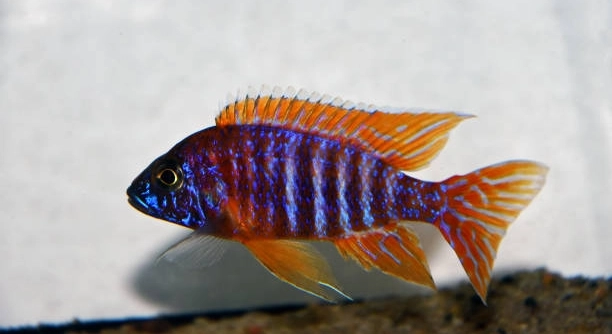
African cichlids are popular aquarium fish known for their vibrant colors and active behavior. Many fish keepers notice that these cichlids become more aggressive right after feeding. This change in behavior often surprises both new and experienced hobbyists.
African cichlids tend to show increased aggression after eating due to heightened territorial instincts and competition for food resources. Digestive processes may also influence their activity levels, making them more defensive and assertive in securing their space.
Understanding this behavior helps improve tank management and fish care. Knowing why aggression spikes after feeding can lead to better strategies for a peaceful aquarium environment.
Why African Cichlids Become More Aggressive After Eating
When African cichlids eat, their behavior changes noticeably. After a meal, they become more active and protective of their territory. This happens because food is a valuable resource in their environment. Once they have eaten, their natural instincts push them to guard their space from others. The energy from food also increases their activity, making them more alert and ready to defend themselves. In an aquarium, this behavior can seem more intense due to limited space. These fish rely on establishing clear boundaries, especially after feeding times when competition is higher. Understanding this natural reaction helps manage aggression by adjusting feeding routines and tank setups. It can reduce stress for both the fish and the keeper.
African cichlids’ aggression after eating is linked to both instinctive territorial behavior and an energy boost from digestion. Managing their environment carefully can help control this aggression.
Adjusting feeding schedules, providing hiding spots, and ensuring enough space can ease aggression. These small changes make the aquarium a calmer place.
How Feeding Habits Affect Cichlid Behavior
Feeding habits strongly influence cichlid behavior. Overfeeding or irregular feeding can increase stress and aggression. Keeping a consistent feeding schedule helps maintain balance in their behavior.
Inconsistent feeding times confuse cichlids and increase competition. When food is scarce or delivered unpredictably, they become more defensive. Overfeeding causes excess energy and can lead to hyperactive behavior, worsening aggression. Providing a stable feeding routine with moderate portions helps keep cichlids calm. It also ensures all fish receive enough food without unnecessary conflict. Using slow-release feeders or spreading food over a larger area reduces competition. Observing how your fish respond to feeding can guide adjustments. Careful feeding habits contribute to healthier fish and a more peaceful aquarium.
Managing Aggression After Feeding
Keeping African cichlids calm after feeding requires careful tank management. Adjusting the environment and feeding routine helps reduce conflict.
One effective method is to provide plenty of hiding spots and visual barriers. Rocks, plants, and decorations break up lines of sight, lowering aggressive encounters. Spreading food in multiple areas also prevents fish from crowding one spot. Feeding smaller portions more frequently can reduce competition. Maintaining good water quality and stable conditions minimizes stress, which often triggers aggression. Observing fish behavior allows you to fine-tune these methods to your tank’s specific needs.
Consistent monitoring is key. If aggression persists, separating the most aggressive individuals or upgrading to a larger tank can improve harmony. Each tank is different, so flexibility in your approach is important.
The Role of Tank Size and Setup
Tank size directly affects how aggressive African cichlids become. Smaller tanks limit space, increasing stress and territorial disputes. A larger tank provides enough room for fish to establish territories without constant conflict.
The tank setup also matters. Using rocks, caves, and plants creates natural boundaries that reduce confrontations. Open spaces encourage movement but can increase aggression if fish cannot claim territory. Proper filtration and regular maintenance keep water clean, helping fish stay healthy and less irritable. Balancing space, hiding places, and stable conditions supports a peaceful environment where cichlids can thrive after feeding.
Feeding Frequency and Its Effects
Feeding African cichlids more often with smaller portions can help reduce aggression. This prevents hunger-driven fights over food.
Regular feeding keeps their energy stable and lowers stress levels. It also minimizes competition during meal times, leading to calmer interactions in the tank.
Common Mistakes in Feeding African Cichlids
Overfeeding is a frequent mistake that increases aggression and can harm water quality. Uneven food distribution causes dominant fish to hog all the food, leaving others hungry and stressed. Feeding irregularly or giving too much treats can upset their natural behavior. Using a consistent feeding schedule with appropriate portion sizes ensures healthier fish and less conflict. Monitoring their behavior after feeding allows for adjustments, creating a more balanced aquarium environment for all cichlids.
Signs of Excessive Aggression
Constant chasing, biting, and hiding indicate aggression issues. It may mean feeding or tank conditions need adjustment.
FAQ
Why do African cichlids become aggressive right after eating?
African cichlids show aggression after eating because their natural instincts push them to defend their territory and resources. Feeding triggers a rise in energy and alertness, making them more active and protective. This behavior helps them secure space and prevent other fish from taking what they consider theirs.
Can the type of food affect their aggression levels?
Yes, the type of food can influence aggression. High-protein foods increase energy quickly, sometimes causing more active and aggressive behavior. Providing balanced diets with appropriate nutrition helps maintain calmer behavior. Avoid overfeeding high-energy foods, as this can lead to hyperactivity and increased fighting.
How often should I feed my African cichlids to reduce aggression?
Feeding small portions two to three times a day is ideal. Regular feeding prevents hunger-driven aggression and reduces competition. Spreading food in different tank areas helps ensure all fish eat without crowding, which lowers stress and fighting.
Does tank size influence aggression after feeding?
Absolutely. Smaller tanks increase territorial disputes since fish have limited space. Larger tanks give cichlids more room to establish their own areas, reducing conflicts. Proper tank size paired with good hiding spots can significantly lessen aggressive behaviors.
What are the best tank setups to minimize aggression post-feeding?
Using rocks, caves, and plants to create hiding spots and visual barriers breaks up sightlines. This prevents fish from constantly confronting each other. Open spaces encourage swimming but should be balanced with plenty of territories. A well-structured environment helps fish feel secure and less likely to fight.
How can I tell if aggression is becoming a serious problem?
Signs of serious aggression include constant chasing, fin nipping, injured fish, and fish hiding all the time. If aggression leads to stress or injury, adjustments are needed. Separating aggressive individuals or increasing tank size can help.
Can changing feeding times help with aggression?
Yes. Keeping a consistent feeding schedule helps fish know when to expect food, reducing stress and competition. Irregular feeding times cause anxiety, which increases aggressive behavior.
Is it better to feed pellets, flakes, or live food?
Each has pros and cons. Pellets and flakes are convenient and balanced, but live food can stimulate natural hunting instincts, sometimes increasing aggression. Using a mix while monitoring behavior works well. Avoid overfeeding live food to prevent excessive excitement and fights.
What role does water quality play in aggression?
Poor water quality stresses fish, making them more aggressive. Regular water changes and proper filtration keep the environment healthy and calm. Stressed fish are less tolerant of others and more likely to fight.
Should aggressive fish be separated after feeding?
If aggression is severe and persistent, separating the most aggressive fish can protect others. Use dividers or different tanks if needed. This allows all fish to eat and rest without constant harassment.
Can hiding places reduce post-feeding aggression?
Yes. Hiding places offer refuge and reduce stress by allowing fish to escape threats. When fish feel safe, aggression tends to decrease. Adding caves, rocks, or plants is a simple but effective way to manage aggression.
How does social hierarchy affect aggression after feeding?
Cichlids form social hierarchies, and dominant fish often control the best feeding spots. This dominance can lead to increased aggression after meals. Ensuring enough space and food distribution helps lower tensions caused by hierarchy struggles.
Is it normal for some aggression to occur in African cichlids?
Yes, some aggression is natural and part of their behavior. They establish territories and communicate through displays. The goal is to keep aggression at a manageable level to avoid injury or stress.
Can adding more fish reduce aggression?
Adding more fish can sometimes spread aggression, but if the tank is large enough and properly set up, it may dilute attacks on individuals. Careful stocking and monitoring are important to avoid overcrowding, which increases aggression.
What should I do if aggression continues despite changes?
If aggression persists, review tank size, setup, feeding, and fish compatibility. Sometimes, rearranging the tank or upgrading to a larger space is necessary. In extreme cases, separating aggressive fish permanently might be the best solution.
African cichlids are known for their beautiful colors and lively personalities. However, their aggressive behavior after eating can be challenging to manage. This aggression is a natural part of their instinct to protect food and territory. Understanding why they act this way helps keep their environment calm and healthy. Fish keepers can use this knowledge to make simple adjustments that reduce conflicts and improve the overall well-being of their cichlids.
Managing aggression starts with controlling feeding habits and tank conditions. Feeding smaller portions more often and spreading food in different areas can lower competition and stress. It is also important to maintain a clean tank with good water quality. A well-planned tank setup with enough hiding spots and space helps fish feel secure. These steps together create a balanced environment where aggression is less likely to escalate.
Aggression among African cichlids should be expected but controlled. Some level of territorial behavior is normal and helps fish establish social order. The goal is to keep aggression from causing harm or stress. Regular observation of the fish and adjusting their care routine when needed will improve their health and harmony. With patience and attention, fish keepers can enjoy the vibrant energy of African cichlids without constant fighting.

Hello,
If you enjoy the content that we create, please consider saying a "Thank You!" by leaving a tip.
Every little bit helps us continue crafting quality advice that supports the health, happiness, and well-being of pets around the world, for pets of all shapes, sizes, and species.
We really appreciate the kindness and support that you show us!