
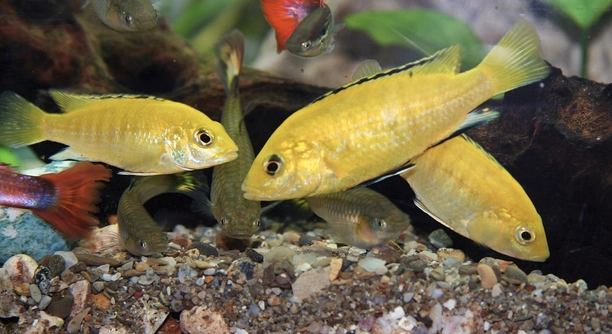
African cichlids are colorful fish often kept in home aquariums. Many people watch how they behave and wonder if these fish can learn from each other. Their social interactions make them interesting subjects to study.
African cichlids do show the ability to learn from each other through observation and social cues. Research has demonstrated that these fish can adapt their behaviors based on watching the actions of their peers, which helps them survive and thrive in their environment.
Learning about how these fish communicate and imitate can provide valuable insight into their natural habits and care. Understanding this behavior can improve how we keep them healthy and happy in aquariums.
How African Cichlids Learn From Each Other
African cichlids live in groups where social interaction is important. They watch each other closely to understand who is dominant and who should stay away. This helps reduce fights and keeps the group stable. When one fish finds food, others quickly notice and follow. They also copy behaviors that lead to safety, like hiding spots or escaping predators. These fish seem to have a memory of what they learn by watching others. Learning this way saves them time and energy compared to figuring things out alone. It shows they are more than just simple swimmers—they use their minds to adapt to their environment. This ability to learn from others is helpful in both wild and tank settings. It makes caring for them more rewarding because you can see their social skills in action.
Watching African cichlids learn from each other shows how smart they are. They are able to pick up new skills without direct experience.
Understanding this learning process can help improve aquarium setups. If you know they observe and imitate, you can create environments that encourage positive behaviors and reduce stress. For example, placing hiding spots where shy fish can watch others safely may help them feel more comfortable. You can also introduce new food types by letting some fish try first, then others will follow. This makes feeding time smoother and less stressful for all the fish. Social learning helps maintain peace in the tank by reducing aggressive behavior through observation. Overall, knowing how African cichlids learn gives better insight into their needs and keeps them happier.
Signs That African Cichlids Are Learning
African cichlids often copy the behavior of others in their group. This copying is a clear sign they are learning.
When one fish learns to open a shell or find food, others soon do the same. They may also mimic swimming patterns or use safe hiding spots after seeing others do it first. These signs show that cichlids rely on observation to adapt quickly. Social learning helps them avoid danger and improve survival chances. In a tank, you might notice new behaviors spreading fast from one fish to another. This is natural and shows their ability to learn as a community. Recognizing these signs can help you understand your fish better and provide a more supportive environment for their growth.
How Observation Influences Behavior
African cichlids watch each other closely to learn important behaviors. This helps them quickly adapt to changes in their environment.
Observation allows cichlids to learn from the successes and mistakes of others. For example, if one fish discovers a safe place to hide, others will start using the same spot. Watching how dominant fish act also teaches the group about social structure. This reduces fights and keeps the tank calm. It is interesting to see how quickly cichlids pick up on these cues and change their behavior. This ability shows their intelligence and social nature, which many people might not expect from fish.
The ability to learn through observation helps cichlids conserve energy and avoid danger. Instead of experimenting on their own, they rely on what they see to make better decisions. This natural skill benefits their survival in both wild and aquarium settings. It also helps keep peace within the group by teaching fish which behaviors are acceptable and which are not. Understanding this can make caring for them more enjoyable.
The Role of Social Hierarchy
Social hierarchy is key to how African cichlids learn from each other. Fish lower in rank watch dominant fish to avoid conflict.
Dominant fish often lead by example. Their behavior, such as where they eat or hide, becomes a model for others. This helps maintain order in the group and prevents chaos. The hierarchy also influences feeding and breeding behaviors, which are important for group survival. Social learning strengthens these roles by encouraging fish to observe and imitate leaders. Knowing this helps aquarium owners create environments where cichlids feel secure and can express natural behaviors. It also explains why some fish may act more boldly than others, based on their rank within the group.
Learning Through Play
African cichlids engage in playful behaviors that help them learn social skills. These activities include chasing and gentle biting.
Play helps young fish practice fighting and establish their place in the group without serious harm.
Impact of Environment on Learning
The environment shapes how well cichlids learn from each other. A tank with plenty of hiding spots and open areas encourages natural behaviors. It allows fish to observe and interact safely. When their surroundings mimic their natural habitat, cichlids feel secure and are more willing to explore and learn. A stressful or overcrowded tank can reduce their ability to focus and learn from social cues. Providing the right environment supports their intelligence and social nature, making learning easier and more effective.
Role of Food in Social Learning
Food is often a strong motivator for African cichlids to learn from each other.
Do African cichlids really learn from watching each other?
Yes, African cichlids can learn by observing their tank mates. They watch how others find food, avoid danger, and interact socially. This observational learning helps them pick up important survival skills without having to try everything themselves. It makes them more adaptable and efficient in their daily lives.
How do cichlids show they have learned something from others?
They often copy actions like where to hide, how to approach food, or which areas to avoid because of aggression. For example, if one fish finds a good shelter or successfully eats a new type of food, others usually follow. This copying behavior is a clear sign they are learning from their peers.
Can social hierarchy affect learning in African cichlids?
Absolutely. Social status plays a big role. Lower-ranking fish observe dominant ones closely to avoid conflict and learn which behaviors are acceptable. Dominant fish often lead by example, and their actions set patterns that others imitate. This helps keep peace and order in the group.
Does the environment impact how well cichlids learn from each other?
Yes, it does. A tank that mimics natural conditions with plenty of hiding spots and open space encourages better learning. When fish feel safe, they are more likely to explore and watch others. Crowded or stressful environments can reduce their ability to focus and learn new behaviors.
Are there specific behaviors that cichlids learn socially?
They learn many behaviors like feeding habits, hiding strategies, and social interactions. Playful behaviors such as chasing or gentle biting also teach young fish about fighting and social boundaries. These learned behaviors help maintain the group’s balance and survival.
How important is food in social learning among African cichlids?
Food is a strong motivator. When one fish discovers new food, others watch and imitate quickly. Feeding time becomes a learning opportunity as fish see who eats what and how. This reduces competition and helps all fish get their share.
Can observing others reduce aggressive behavior?
Yes, social learning helps fish understand social cues and hierarchy. By watching dominant fish, others learn when to back down and avoid fights. This reduces unnecessary aggression and stress in the tank.
How long does it take for African cichlids to learn new behaviors?
It depends on the behavior and the individual fish. Some skills, like finding food, can be picked up quickly within a few days. More complex behaviors, like social roles or territory defense, take longer and require repeated observation.
Are all cichlids equally good at learning from others?
Not all are the same. Some species and individual fish are more social and better observers than others. Factors like age, experience, and personality affect how well they learn. Younger fish tend to be more curious and learn faster.
Can understanding cichlid learning improve aquarium care?
Yes, knowing that cichlids learn from each other helps owners create better environments. Providing space, hiding places, and a peaceful setting encourages natural learning and reduces stress. This leads to healthier, happier fish and a more balanced tank.
African cichlids are interesting fish that show more intelligence than many people expect. Their ability to learn from each other through watching and copying behaviors helps them survive and live well in groups. This social learning means they don’t have to figure everything out on their own, which saves energy and reduces risks. It also helps keep peace in their community because fish understand their social roles better. Knowing this about cichlids gives us a deeper appreciation for how they interact and behave, both in the wild and in home aquariums.
Creating the right environment is very important to support this learning. When cichlids live in tanks that offer space to explore and places to hide, they feel safer and more confident. This makes it easier for them to observe others and pick up new skills. Crowded or stressful tanks can make fish less willing to learn and more aggressive. When we provide tanks that meet their natural needs, we help them use their social skills in a positive way. This not only improves their well-being but also makes caring for them more rewarding.
Understanding how African cichlids learn from each other can change the way we look after them. By paying attention to their social behavior, we can improve feeding routines, reduce fights, and create peaceful communities in our tanks. These fish are more than just colorful decorations—they are intelligent creatures capable of adapting and learning. Taking the time to observe their behavior and support their social learning will lead to healthier fish and a more enjoyable aquarium experience overall.

Hello,
If you enjoy the content that we create, please consider saying a "Thank You!" by leaving a tip.
Every little bit helps us continue crafting quality advice that supports the health, happiness, and well-being of pets around the world, for pets of all shapes, sizes, and species.
We really appreciate the kindness and support that you show us!