
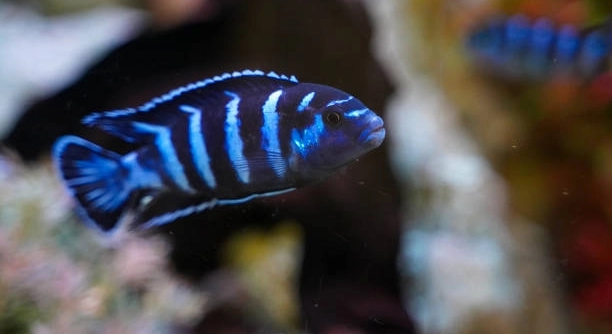
Mixing different cichlid species in an aquarium can be an interesting way to diversify your tank. Many fishkeepers consider it to create a lively and colorful environment. However, understanding what happens when species share space is important.
Mixing cichlid species often leads to territorial disputes and aggression due to their natural behaviors. Some species may dominate others, causing stress and health issues. Compatibility depends on species size, temperament, and environmental needs, which must be carefully managed.
Knowing the potential challenges and outcomes helps you maintain a balanced aquarium. This insight ensures your cichlids thrive together without harm or undue stress.
Understanding Cichlid Behavior
Cichlids are known for their strong territorial instincts. When placed together, they often establish and defend specific areas within the aquarium. This behavior can cause frequent conflicts, especially if the tank is too small or lacks enough hiding spots. Some species are naturally more aggressive, while others are more peaceful, but even peaceful cichlids may become territorial during breeding. It’s important to provide enough space and structures like rocks and plants to help reduce aggression. Overcrowding or poor tank setup can increase stress, weakening their immune systems and leading to illness. Observing their interactions closely allows you to intervene if necessary and separate fish that do not get along well.
Maintaining proper territory boundaries helps lower aggression and creates a more peaceful aquarium environment.
Choosing compatible species and understanding their natural behavior is key to managing a mixed cichlid tank effectively.
Selecting Compatible Cichlid Species
Compatibility depends largely on size, temperament, and environmental preferences. Some cichlids tolerate others better when they share similar activity levels and water conditions. For example, African cichlids from Lake Malawi usually prefer rocky environments and can be territorial, while South American species often prefer planted tanks and may behave less aggressively. Matching species with similar requirements can minimize conflict. It is also helpful to avoid mixing very large, aggressive species with smaller, timid ones. Planning the species combination carefully and researching each fish’s behavior ensures a better chance of peaceful coexistence. Consistent water parameters and proper feeding also reduce stress, keeping the fish calmer and healthier. Proper tank maintenance and monitoring behavior regularly remain crucial to detect early signs of trouble and adjust as needed.
Tank Setup and Environment
A well-planned tank setup is essential to reduce aggression among cichlids. Proper hiding spots and territories help fish feel secure.
Using rocks, caves, and plants creates natural boundaries. This reduces fights by allowing fish to escape and claim their own space. Open swimming areas are also important to prevent overcrowding. Adjusting tank size based on species ensures enough room for all fish. A larger tank can support more territory holders, lowering tension. Avoid placing too many fish in a small space, as this causes stress and aggressive behavior. Regular cleaning and maintaining stable water parameters also support healthy fish interactions.
Incorporating natural decor helps simulate their native habitat. This encourages normal behaviors and lessens stress. A diverse environment benefits both aggressive and peaceful species by balancing territorial disputes and providing refuge.
Feeding and Diet
Cichlids require a balanced diet suited to their species. Feeding high-quality pellets or flakes designed for cichlids ensures proper nutrition. Supplementing with live or frozen foods like brine shrimp or bloodworms promotes health and coloration. Feeding small amounts multiple times a day helps prevent overfeeding and water pollution. Some species need more protein, while others benefit from more plant matter, so adjust their diet accordingly. Uneaten food should be removed to avoid degrading water quality, which can increase stress and aggression. Feeding routines also provide opportunities to observe fish behavior and health closely. Consistent feeding helps maintain peaceful relations, reducing food-related competition and fights.
Signs of Aggression
Aggression can show in chasing, nipping, or hiding. Some cichlids may guard their territory aggressively.
Increased hiding, torn fins, or constant chasing are clear signs. Monitoring these helps prevent serious injury or stress.
Managing Aggressive Behavior
Separating overly aggressive fish quickly can prevent harm. Providing more space and hiding spots also reduces conflict. Regular observation is essential to identify trouble early and maintain a peaceful tank environment.
Breeding Considerations
During breeding, cichlids become more territorial and aggressive. Extra care is needed to protect eggs and fry. Removing other fish or using a separate breeding tank can help ensure their safety.
Monitoring Water Quality
Stable, clean water reduces stress and aggressive behavior. Regular testing and maintenance support fish health and harmony.
FAQ
What happens if you mix aggressive cichlid species?
Mixing aggressive cichlids often leads to constant fighting and stress. Dominant fish may injure or chase away others, causing injury or even death. Stress weakens immune systems, making fish more prone to disease. Aggression also disrupts feeding and normal behavior, leading to poor health. To avoid this, it’s important to choose species with similar temperaments and provide enough space and hiding spots to minimize conflicts.
Can different cichlid species live peacefully together?
Yes, some species can coexist peacefully if their temperaments and environmental needs are compatible. For example, some African cichlids can live with certain South American species if the tank is large and well-decorated. Compatibility depends on size, behavior, and water conditions. Peaceful coexistence requires careful planning, adequate space, and regular monitoring to catch any signs of aggression early.
How large should the tank be for mixed cichlids?
Tank size depends on the species and number of fish. Generally, larger tanks reduce territorial disputes because fish have more space to establish territories. A minimum of 55 gallons is recommended for most mixed cichlid setups, but bigger is better. Overcrowding in small tanks almost always leads to aggression and stress. Providing enough room and decorations to break lines of sight helps lower tension.
What environmental features help reduce aggression?
Adding rocks, caves, plants, and other hiding spots creates natural boundaries. These structures allow fish to claim separate territories and retreat when threatened. Open swimming areas reduce overcrowding and make it easier for fish to avoid each other. Mimicking their natural habitat also promotes natural behavior and lowers stress.
How does diet affect cichlid behavior?
A proper diet keeps cichlids healthy and less aggressive. Hunger can increase competition and fighting, so feeding small, frequent meals helps reduce conflict. Different species have different nutritional needs—some need more protein, others more plant matter. Feeding appropriate foods supports their well-being and reduces stress-induced aggression.
What should I do if aggression becomes a problem?
First, identify the aggressive fish and consider separating it temporarily. Adding more hiding places or rearranging the tank décor can help reset territories. Increasing tank size or reducing the number of fish might be necessary. Consistent observation is key to managing aggression and preventing injuries.
Are there signs that cichlids are stressed due to tankmates?
Signs of stress include hiding excessively, loss of appetite, faded colors, torn fins, and constant chasing. Stress can weaken immune systems and lead to illness. If these signs appear, re-evaluate species compatibility, tank conditions, and environment to reduce stress factors.
Is breeding more difficult in mixed-species tanks?
Breeding is often more challenging because territorial aggression increases, and other fish may eat eggs or fry. Breeders usually separate pairs into dedicated tanks to protect offspring and reduce stress. Mixed tanks can disrupt breeding behavior and lower success rates.
Can water quality affect aggression?
Yes, poor water quality raises stress and aggression. Unstable pH, high ammonia, nitrites, or nitrates can make fish irritable and more likely to fight. Regular water changes, filtration, and monitoring keep water stable, supporting calm behavior and fish health.
How can I encourage peaceful coexistence in my cichlid tank?
Choose compatible species based on temperament and size. Provide plenty of space, hiding spots, and a well-structured environment. Feed appropriate diets consistently. Monitor behavior closely and be ready to act if aggression increases. With proper care, many cichlids can live together with minimal issues.
Mixing different cichlid species in the same aquarium can create a vibrant and interesting display, but it requires careful planning and attention. Each species has its own behavior, temperament, and environmental needs, which must be considered before combining them. Without proper knowledge and preparation, conflicts can arise quickly. Territorial disputes and aggression are common when incompatible species share space, which can lead to stress, injury, and even death among the fish. It is important to understand these risks and take steps to minimize them through careful species selection, tank setup, and maintenance.
A well-designed aquarium setup plays a major role in promoting peaceful coexistence. Providing plenty of hiding spots, rocks, caves, and plants helps establish natural boundaries and reduces competition. The size of the tank should be large enough to accommodate all the fish comfortably, allowing each one to claim its own territory. Overcrowding is one of the leading causes of aggression and stress, so avoiding it is essential. Regular observation of fish behavior is also necessary to detect early signs of trouble. If aggression becomes persistent or severe, separating certain fish may be the best option to protect all inhabitants.
Proper feeding and water quality are equally important factors to consider. A balanced diet that meets the nutritional needs of each species supports their health and reduces food-related aggression. Feeding smaller amounts more frequently helps prevent competition and ensures all fish get enough nutrition. Stable and clean water conditions also promote calm behavior and overall well-being. When water parameters are off, fish tend to become stressed and irritable, increasing the chance of conflicts. Keeping the tank clean and maintaining stable water quality through regular testing and water changes supports a healthier environment for mixed cichlids to thrive. Taking these steps together can help create a harmonious aquarium where different cichlid species coexist successfully.

Hello,
If you enjoy the content that we create, please consider saying a "Thank You!" by leaving a tip.
Every little bit helps us continue crafting quality advice that supports the health, happiness, and well-being of pets around the world, for pets of all shapes, sizes, and species.
We really appreciate the kindness and support that you show us!