
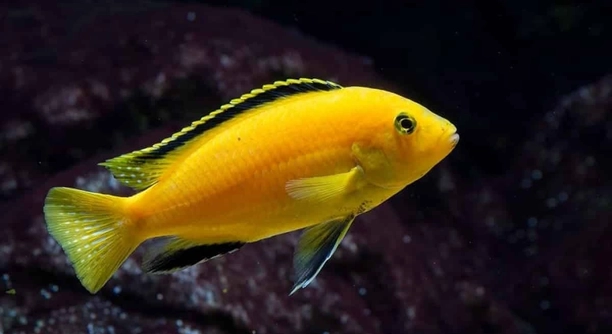
Cichlids are known for their strong instinct to protect their nests and offspring. However, there are times when they suddenly stop defending their eggs or fry. This change in behavior can be puzzling for aquarium enthusiasts and fish keepers alike.
Several factors may cause cichlids to abandon their nest, including stress, poor water conditions, illness, lack of food, disturbances from other fish, environmental changes, or genetic predispositions. These influences affect their natural protective instincts and parenting behavior.
Understanding these reasons can help maintain a healthy environment for your cichlids. This knowledge ensures better care and supports the fish in their natural breeding behaviors.
Stress and Its Impact on Nest Defense
Stress is a major reason why cichlids might stop defending their nests. Changes in their environment, such as loud noises, sudden movements, or overcrowding in the tank, can cause stress. When stressed, cichlids may feel threatened and decide to abandon their eggs or fry to protect themselves. Stress can also come from poor water quality or incompatible tank mates. If the water has high levels of ammonia or nitrites, or if the temperature is not stable, cichlids become stressed. It’s important to create a calm, stable environment to encourage natural behavior. Monitoring water parameters regularly and ensuring the tank is peaceful helps reduce stress. In some cases, stress can be so severe that cichlids stop eating, which further weakens their ability to care for the nest. Managing stress is key to keeping cichlids attentive to their young.
Stress affects cichlids by making them less likely to guard their nests properly. Reducing stress helps improve their parenting behavior significantly.
Creating a quiet tank space with stable water conditions supports cichlids’ natural instincts. Avoid overcrowding and keep the environment predictable. Proper tank maintenance plays a vital role in reducing stress-related nest abandonment.
Poor Water Quality and Its Effects
Poor water quality often leads cichlids to stop defending their nests. Dirty water contains harmful chemicals and toxins that can irritate or harm fish. Ammonia and nitrite levels rise quickly in tanks that are not well-maintained. These chemicals make cichlids sick or uncomfortable, causing them to abandon their eggs to focus on survival. Additionally, fluctuating pH levels or temperature spikes can disrupt their normal behavior. Regular water changes and testing are essential to keep conditions ideal. A clean tank with stable water encourages cichlids to protect their nests. Overfeeding or leftover food can pollute the water, so it’s important to feed the right amount and remove excess food. Filtration systems also need regular cleaning to function well. Keeping water quality high supports the health of both adults and their offspring.
Good water quality prevents many health problems and supports breeding success. Cichlids are more likely to care for their nests in a clean environment.
Maintaining stable, clean water helps cichlids focus on raising their young instead of dealing with stress or illness. Regular testing, partial water changes, and proper filtration are critical steps to achieve this.
Illness and Health Problems
Illness can cause cichlids to abandon their nests quickly. Sick fish lose energy and focus, making nest defense difficult.
When cichlids become ill, they often stop caring for their eggs or fry because their body prioritizes healing. Common diseases like ich, bacterial infections, or parasites weaken their immune system. This leaves them vulnerable and less likely to protect their young. Signs of illness include lethargy, loss of appetite, or unusual swimming patterns. It’s important to observe your fish closely and act quickly if you notice any symptoms. Proper diagnosis and treatment can improve their health and encourage them to resume nest defense once recovered.
Preventing illness through good tank hygiene, balanced diet, and avoiding sudden changes reduces the risk of nest abandonment. Regular observation helps catch problems early before they impact parental behavior.
Lack of Food and Nutrition
Lack of adequate food can cause cichlids to stop defending their nests. Without enough nutrition, they become weak and less attentive to their offspring.
Cichlids need a balanced diet to maintain energy for nest defense. When food is scarce or of poor quality, their ability to protect eggs diminishes. Malnourished fish may prioritize feeding over caring for young, sometimes even eating their own eggs. Providing a diet rich in protein and essential nutrients supports their health and parenting instincts. Feeding small, frequent meals and including live or frozen foods can boost nutrition. Ensuring food is available and accessible in the tank encourages cichlids to stay close to their nests and defend them actively.
Regularly adjusting feeding habits and monitoring cichlid behavior ensures their nutritional needs are met, helping maintain strong nest defense. Proper nutrition is essential for healthy breeding success.
Disturbances from Other Fish
Other fish in the tank can disturb cichlids and cause them to abandon their nests. Aggressive or curious tank mates create stress and distraction.
When cichlids feel threatened by nearby fish, they may leave their eggs unguarded to avoid conflict. Separating breeding pairs or using tank dividers can help reduce these disturbances and improve nest defense.
Environmental Changes
Sudden changes in temperature, lighting, or tank setup can disrupt cichlids’ nest defense. Stability is key to their comfort.
Genetic Predispositions
Some cichlids naturally show weaker parental instincts. Genetics can influence how strongly they defend their nests.
FAQ
Why do cichlids sometimes eat their own eggs?
Cichlids may eat their eggs when they feel stressed, threatened, or if the eggs are unhealthy. Sometimes, a lack of food makes them eat eggs to regain energy. In other cases, if the environment isn’t ideal, parents may abandon and consume the eggs to focus on survival.
How can I reduce stress for my breeding cichlids?
Keep the tank quiet, stable, and avoid sudden changes. Use a proper filtration system and maintain good water quality. Avoid overcrowding and aggressive tank mates. Providing plenty of hiding spaces also helps reduce stress levels.
What water parameters are best for cichlids during breeding?
Cichlids generally prefer a temperature between 75°F and 82°F (24°C–28°C), a pH level around 7.0 to 8.0, and low ammonia and nitrite levels close to zero. Keeping these parameters stable supports good breeding behavior and nest defense.
Can poor nutrition affect cichlid parenting?
Yes, poor nutrition weakens cichlids, making them less likely to guard their nests. Feeding high-quality food rich in protein and essential vitamins is important. Including live or frozen foods can improve their health and increase parental care.
What should I do if my cichlids stop defending their nest?
First, check water quality and tank conditions. Remove any aggressive fish or disturbances nearby. Ensure the parents are healthy and well-fed. Sometimes giving them privacy with a tank divider or separate breeding tank helps. Monitor their behavior closely.
Is it normal for cichlids to abandon their nests sometimes?
Yes, it can happen due to stress, illness, or environmental issues. Some cichlids naturally show less parental care due to genetics. If abandonment happens often, it’s important to review tank conditions and fish health to find causes.
How do I prevent illness that affects nest defense?
Maintain clean water through regular changes and testing. Avoid overcrowding and quarantining new fish before adding them to the tank. Provide a balanced diet and watch for signs of disease early. Prompt treatment can prevent health issues that impact parenting.
Will changing the tank setup help cichlids defend their nests better?
Minor changes that improve hiding spots and reduce stress help. Avoid major or sudden rearrangements during breeding. Stable environments with plenty of rocks, caves, or plants give cichlids security to guard their nests.
Can other fish disturb cichlids enough to stop them from protecting eggs?
Yes, active or aggressive fish can stress cichlids and cause nest abandonment. Keeping breeding pairs separate or using dividers helps minimize disturbances, allowing cichlids to focus on their eggs and fry.
How long do cichlids usually defend their nests?
Cichlids typically guard their eggs and fry for several weeks. This varies by species and tank conditions. Once fry are free-swimming and less vulnerable, parents usually reduce defense behaviors naturally.
Final Thoughts
Cichlids are fascinating fish known for their protective behavior during breeding. However, it is not unusual for them to stop defending their nests at times. This change in behavior can result from various factors, including stress, poor water quality, illness, or disturbances in their environment. Understanding these reasons helps in creating better conditions that encourage natural parenting behaviors. Paying attention to the fish’s health and tank setup plays a crucial role in supporting their instinct to guard eggs and fry.
Maintaining a stable, clean environment with balanced nutrition is essential for cichlids’ well-being. Stress from overcrowding, aggressive tank mates, or sudden changes in temperature can disrupt their natural instincts. Providing enough space, hiding spots, and stable water parameters reduces anxiety and helps them stay focused on protecting their young. Illness weakens fish, making them less likely to defend their nests, so keeping the tank clean and monitoring for signs of sickness is important. In some cases, genetics may influence how strongly a cichlid defends its nest, but proper care can still improve parenting behavior.
Ultimately, cichlid parenting depends on several conditions working together. Observing their behavior closely and responding to any issues quickly can increase the chances of successful breeding. With patience and proper tank management, cichlids will often return to their natural protective instincts. Creating the right environment not only benefits their offspring but also leads to a healthier, more balanced aquarium overall.

Hello,
If you enjoy the content that we create, please consider saying a "Thank You!" by leaving a tip.
Every little bit helps us continue crafting quality advice that supports the health, happiness, and well-being of pets around the world, for pets of all shapes, sizes, and species.
We really appreciate the kindness and support that you show us!