
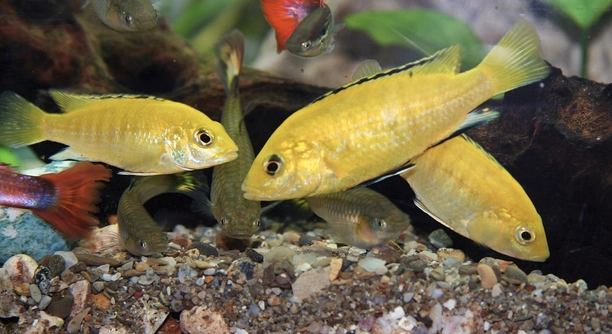
African cichlids are popular freshwater fish known for their vibrant colors and interesting behaviors. Many aquarium enthusiasts observe their interactions and wonder about the emotions behind their actions. These fish often display complex social behaviors in their environments.
African cichlids do not experience jealousy as humans do, but they show territorial and competitive behaviors that might look like jealousy. Their actions are driven by instinct to protect space, mates, and resources rather than emotional feelings.
Understanding these behaviors can help you create a better environment for your cichlids. Learning more about their nature supports healthier and less stressful aquarium care.
Understanding Cichlid Behavior
African cichlids are very territorial fish. They often stake out a space in the tank and defend it vigorously. This behavior helps them feel secure and keeps rivals away. Males especially show strong defense to attract and protect mates. When a new fish enters their territory, cichlids may act aggressively to push it out. This can look like jealousy, but it is really about survival and reproduction. These fish also communicate using body language and color changes to signal their mood or intentions. Observing these signals can help you understand when your cichlids feel threatened or dominant. Providing plenty of hiding spots and enough space in the tank reduces conflicts. Cichlids kept in crowded or small tanks are more likely to show aggressive behaviors, which might be mistaken for jealousy. By managing their environment well, you can promote a peaceful community of cichlids.
Territorial behavior is common and natural for African cichlids. It does not mean they feel jealousy.
Recognizing their instincts and needs helps you care for your fish better. When you provide a well-structured tank, cichlids can live comfortably without constant stress. Their behavior then reflects their natural balance rather than competition or distress.
Social Dynamics in Cichlid Groups
Cichlids often form social hierarchies within their groups. This means some fish become dominant while others take on lower ranks.
Dominant fish have priority access to food, mates, and prime territory. This status is established through displays and sometimes fights. Lower-ranking cichlids accept their position to avoid injury. Social order helps reduce constant fighting and stabilizes the group. In captivity, these hierarchies are still present, so you might notice certain fish acting more boldly while others hide more often. It is important to monitor how your fish interact. Stress from repeated aggression can weaken their immune systems. You can reduce tension by keeping enough space and breaking the line of sight between aggressive individuals with decorations. Proper feeding routines also prevent competition. Understanding social ranks allows you to identify normal behavior and intervene when conflicts harm your fish. Creating a balanced environment encourages harmony, which is essential for their health and happiness.
Signs That May Be Mistaken for Jealousy
Cichlids often show behaviors that seem like jealousy but are actually about territory or dominance. These include chasing, fin flaring, and color changes.
Chasing is a common way cichlids protect their space or mates. When one fish swims aggressively after another, it is trying to push it away from its territory. Fin flaring is another display used to look bigger and more threatening. This can happen when a fish feels challenged or stressed. Color changes also communicate mood—bright colors can signal dominance, while dull colors may show submission or stress. These signs are part of normal social interactions rather than emotional jealousy. Recognizing these behaviors helps you better understand your cichlids and avoid misinterpreting their actions.
Understanding these displays allows you to create a calmer environment. Providing enough hiding spots and space helps reduce aggressive encounters and keeps your fish comfortable.
How to Reduce Aggression Among African Cichlids
Aggression is common but manageable in African cichlids. Proper tank setup and care reduce fights and stress.
Keeping enough space is essential; overcrowded tanks increase tension. Including rocks, plants, and caves creates territories and hiding places that help break lines of sight between fish. Feeding your cichlids regularly and in multiple spots prevents competition over food. Avoid sudden changes in the tank, such as water temperature or new additions, which can trigger aggression. Sometimes, rearranging the tank layout confuses dominant fish and lowers their urge to defend specific spots. Monitoring fish behavior closely helps catch early signs of stress or bullying. Acting quickly by separating overly aggressive individuals can save weaker fish from harm. These steps make the aquarium safer and more peaceful for all your cichlids.
Common Misunderstandings About Cichlid Behavior
Many people think cichlids show jealousy like humans do, but this is not accurate. Their actions are instinctive and based on survival.
Cichlids respond to their environment and other fish mostly through natural drives like defending territory or finding mates, not emotional jealousy.
What Triggers Aggressive Behavior in Cichlids
Aggression in African cichlids is often triggered by overcrowding, lack of hiding places, and competition for food or mates. Stress from poor water quality or sudden changes can also increase aggression. Managing these factors carefully helps reduce conflicts and promotes healthier fish.
The Role of Environment in Cichlid Behavior
A well-designed tank with enough space and structures is key to managing cichlid behavior. Providing hiding spots and visual barriers helps lower stress and aggressive encounters among fish. Proper care ensures a more peaceful community.
FAQ
Do African cichlids really get jealous?
African cichlids do not experience jealousy like humans. Their behaviors that seem jealous are actually about protecting territory, competing for mates, or securing food. These are natural instincts for survival and reproduction. When a fish chases or shows aggression, it’s responding to a challenge, not feeling jealous.
Why does my cichlid chase other fish?
Chasing is a common territorial behavior. Your cichlid sees other fish as threats to its space or resources. It may try to push them away to maintain control. This behavior is normal, especially among males during breeding or when defending a favored area.
How can I tell if aggression is a problem?
Watch for signs like constant chasing, biting, or injured fish. If some cichlids hide all the time or have torn fins, aggression might be too high. Temporary displays of dominance are normal, but persistent attacks mean the tank environment needs adjusting.
What tank size is best for African cichlids?
A larger tank reduces aggression by giving each fish space to claim territory. For most species, a minimum of 30 gallons is recommended, but bigger is better if you keep multiple cichlids. Overcrowding causes stress and more aggressive behavior.
How can I reduce fights between cichlids?
Add plenty of hiding places using rocks, caves, and plants. These structures break up sight lines and give shy fish places to escape. Keep the tank well-maintained with stable water parameters. Feeding in multiple spots also helps reduce food competition.
Can introducing new fish cause aggression?
Yes, adding new fish often triggers fights as the group re-establishes its social order. Introducing new cichlids slowly and carefully, preferably quarantined first, lowers stress. Rearranging the tank decorations before adding new fish can also confuse territorial claims and reduce aggression.
Do cichlids recognize their owners?
While cichlids do not form emotional bonds like pets such as dogs or cats, they can recognize the person who feeds them. They may respond by swimming to the front of the tank or becoming more active when you approach.
Are all cichlid species equally aggressive?
No, aggression levels vary by species. Some African cichlids are highly territorial, while others are more peaceful. Research your specific species to understand their behavior and tank requirements before adding them to your aquarium.
How do I know if a cichlid is stressed?
Signs of stress include faded colors, hiding, loss of appetite, or erratic swimming. Stress weakens the immune system and can lead to illness. Providing a stable environment with proper tank conditions helps keep your cichlids healthy and calm.
Is it normal for cichlids to change color?
Yes, color changes can indicate mood, health, or breeding status. Bright, vibrant colors often show dominance or readiness to breed. Duller colors may mean submission or stress. Watching these changes helps you understand your fish’s condition.
African cichlids are fascinating fish with many unique behaviors that often confuse new owners. While their actions can sometimes look like jealousy, it is important to remember that these behaviors come from natural instincts. They protect their territory, compete for mates, and seek food, but they do not experience emotions like humans do. Understanding this helps set realistic expectations for their behavior in the aquarium. Watching them interact can be interesting and rewarding when you know what to look for and how to interpret their actions.
Creating a healthy environment for your cichlids is key to reducing aggression and stress. Providing enough space, hiding places, and maintaining good water quality can make a big difference. When cichlids have room to establish their territories and places to retreat, they are less likely to fight constantly. Regular feeding and careful introduction of new fish also help keep the peace. Paying attention to the social dynamics within the tank helps you notice when something is wrong early on, so you can act before problems grow.
Taking care of African cichlids involves patience and observation. These fish communicate through body language and color changes, which tell you a lot about their mood and health. By learning about their natural instincts and behaviors, you can provide a better home for them. This creates a more peaceful tank where your cichlids can thrive. In the end, knowing the difference between instinctive actions and human emotions like jealousy helps you enjoy your fish more and care for them properly.

Hello,
If you enjoy the content that we create, please consider saying a "Thank You!" by leaving a tip.
Every little bit helps us continue crafting quality advice that supports the health, happiness, and well-being of pets around the world, for pets of all shapes, sizes, and species.
We really appreciate the kindness and support that you show us!