
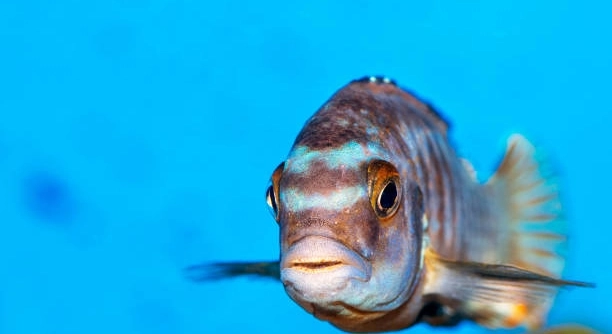
Setting up a cichlid tank means more than just filling it with water and fish. The right decor creates a natural environment that helps these fish feel safe and thrive. It also adds visual interest to your aquarium space.
Effective cichlid tank decor includes rocks, caves, plants, and sand to replicate their natural habitat. Each element supports the fish’s behavior, territorial needs, and health by providing hiding spots and reducing stress.
These ideas will help you create a balanced and attractive tank environment that benefits both the fish and your viewing experience.
Rocks and Stones for Natural Hiding Spots
Using rocks and stones in a cichlid tank is a practical way to mimic their natural environment. These fish come from rocky lakes and rivers where stones provide shelter and territories. When arranging rocks, make sure they are stable and won’t topple easily, as falling rocks can harm your fish. Smooth stones or flat rocks work best because they prevent injuries. The gaps between rocks give cichlids places to hide and explore, which reduces their stress and aggression. Avoid sharp or porous rocks that may change water chemistry or cause cuts. Clean the stones thoroughly before placing them in the tank to remove any dirt or contaminants. Rock formations can also help define territories, which is important for maintaining peace in a tank with multiple cichlids. By using the right rocks, you create a safe and interesting environment for your fish.
Rocks provide essential shelter and territory boundaries. This helps reduce aggression and supports natural behaviors in cichlids.
Choosing rocks that are safe and stable is key to creating a secure and natural habitat for your fish.
Caves and Hiding Places
Caves are important for cichlids because they offer privacy and security. These fish often retreat into caves when feeling threatened or when they want to breed. Artificial caves made from ceramic or resin are popular options because they are safe and durable. You can also use natural materials like coconut shells or hollow logs, but make sure they don’t affect water quality. When adding caves, consider their size and location so all fish can find a spot. Multiple caves reduce territorial fights by giving each fish a place to claim. Position caves at different levels of the tank to encourage natural swimming and exploration. Regularly inspect caves for debris or algae buildup to keep the tank clean. Well-placed caves enhance the overall environment and promote healthy fish behavior.
Providing various caves creates multiple safe spaces, which lowers stress and helps maintain harmony in the tank.
Adding caves at different heights and spots encourages activity and natural instincts in your cichlids, making your tank more dynamic.
Live Plants in Cichlid Tanks
Live plants help improve water quality by absorbing nitrates and providing oxygen. They also offer natural hiding spots and reduce stress for cichlids.
Choosing hardy plants like Java fern or Anubias works well since cichlids can be rough on delicate foliage. These plants attach to rocks or driftwood and don’t require planting in substrate, which keeps them safe from digging fish.
Live plants also add a natural look that enhances the tank’s overall aesthetic. They encourage cichlids to explore and feel secure while supporting a balanced ecosystem. Regular trimming helps keep plants healthy and prevents overcrowding.
Sand and Substrate Choices
Sand is a popular substrate for cichlid tanks because it resembles their natural lakebeds. It is gentle on fish that like to dig and sift through the bottom.
Using fine sand helps prevent injuries and supports natural behaviors. Avoid sharp or coarse gravel that can damage sensitive mouths and fins. Sand also makes it easier to spot debris and clean the tank.
Keep in mind that sand can compact over time, so occasional stirring helps maintain water flow and prevents anaerobic spots. Selecting the right substrate improves fish comfort and tank hygiene, making it a smart choice for cichlid owners.
Driftwood for Shelter and Decoration
Driftwood adds a natural look and provides hiding spots for cichlids. It creates shaded areas, helping fish feel more secure.
Make sure the driftwood is properly cleaned and soaked before placing it in the tank to avoid water discoloration and harmful substances.
Using Terracotta Pots
Terracotta pots are inexpensive and versatile decor pieces. They create caves and hiding spots that cichlids appreciate for shelter and breeding.
These pots can be arranged in different ways to form tunnels or separate territories. Their porous nature helps beneficial bacteria grow, improving the tank’s biological filtration. When using terracotta, rinse them thoroughly and avoid glazed pots that might leach chemicals into the water.
Avoid Plastic Plants
Plastic plants may look appealing but can cause harm in a cichlid tank. They often have sharp edges that can injure fish.
Natural decor is always better to support fish health and mimic their real environment.
FAQ
What type of rocks are safest for a cichlid tank?
The safest rocks for a cichlid tank are smooth, non-porous stones like slate or granite. Avoid limestone or coral-based rocks as they can raise water hardness and pH, which may stress your fish. Always clean rocks thoroughly before adding them to the tank to remove dirt or unwanted substances.
Can I use real plants if my cichlids like to dig?
Yes, but choose hardy plants like Anubias or Java fern that attach to rocks or driftwood instead of planting in substrate. These plants are less likely to be uprooted. You can also use pots or planting containers to protect plant roots from digging fish.
How often should I rearrange tank decor?
It’s best to avoid frequent rearrangements because cichlids are territorial and can become stressed if their environment changes too often. Rearrange only when necessary, such as during cleaning or to prevent aggressive behavior.
Are caves necessary for all cichlid species?
While not mandatory, caves provide safe hiding spots and breeding areas, reducing stress and aggression. Most cichlids benefit from having caves, but the number and size should match your fish species and tank size.
Is sand better than gravel for cichlids?
Sand is often preferred because it’s softer and less likely to harm fish that dig or sift through substrate. It also looks more natural for many cichlid species. However, sand requires careful maintenance to avoid compaction and anaerobic spots.
How do I prevent algae growth on rocks and plants?
Maintain good water quality with regular water changes and avoid excessive lighting. Adding algae-eating fish or snails can help control algae naturally. Clean decor items gently during tank maintenance to remove buildup.
Can driftwood change my tank’s water chemistry?
Some types of driftwood release tannins, which can slightly lower pH and tint water a tea color. Soaking and boiling driftwood before use reduces tannins. Most cichlids tolerate mild tannin levels, but monitor water parameters regularly.
What should I avoid when selecting tank decor?
Avoid sharp or porous materials that can injure fish or trap debris. Stay away from untreated wood, painted or glazed items, and anything that might leach chemicals. Choose natural, safe decor to keep your fish healthy.
How many caves or hiding spots should I provide?
Provide at least one cave or hiding spot per fish to reduce territorial disputes. Multiple options spread throughout the tank help fish claim their own space and feel secure.
Can plastic plants be harmful to cichlids?
Yes, plastic plants often have rough edges that can damage fins and scales. They don’t offer the natural benefits live plants do and can trap debris, leading to poor water quality. Live plants or natural decor are safer choices.
Choosing the right decor for a cichlid tank plays an important role in creating a healthy environment for the fish. Each piece of decor should serve a purpose, whether it is providing shelter, defining territory, or improving water quality. Simple elements like rocks, caves, and plants can make a big difference in how comfortable and natural your cichlids feel. Taking time to select safe and suitable items helps reduce stress and aggression, which leads to healthier and happier fish.
When decorating a cichlid tank, it is important to focus on balance. Too much decor can overcrowd the tank, making it difficult to clean and maintain. On the other hand, too little decor leaves the fish exposed and stressed. Providing hiding spots and natural features helps the fish express their natural behaviors, such as exploring and establishing territories. Live plants or natural wood can also support the tank’s ecosystem by improving water quality and oxygen levels. Keeping the tank clean and organized will contribute to the long-term well-being of your cichlids.
Overall, the key to successful cichlid tank decor is combining functionality with a natural look. Prioritize materials that are safe for your fish and avoid anything that might affect water chemistry or cause injury. Regular maintenance of the tank and decor will ensure a healthy environment. By creating a space that meets your cichlids’ needs, you will enjoy watching them thrive in a setting that feels close to their natural habitat. Thoughtful decoration enhances both the fish’s quality of life and the visual appeal of your aquarium.

Hello,
If you enjoy the content that we create, please consider saying a "Thank You!" by leaving a tip.
Every little bit helps us continue crafting quality advice that supports the health, happiness, and well-being of pets around the world, for pets of all shapes, sizes, and species.
We really appreciate the kindness and support that you show us!