
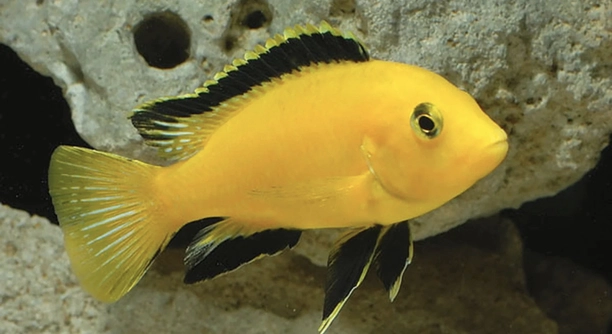
Many people enjoy keeping cichlids as colorful aquarium fish. These vibrant creatures have unique behaviors and features that interest hobbyists. One common topic is whether cichlids can see in color like humans do.
Research shows that cichlids do possess color vision. Their eyes contain multiple types of cone cells, allowing them to detect different wavelengths of light. This ability helps them in finding food, choosing mates, and navigating their environment.
Understanding how cichlids perceive color adds depth to their care and appreciation. It also explains some of their behaviors that might otherwise seem mysterious or confusing.
How Cichlids See Color
Cichlids have eyes adapted to their environments, which vary widely in water clarity and light conditions. Their retinas contain cone cells sensitive to different colors, allowing them to detect reds, greens, and blues. This broad spectrum of vision helps them identify food, mates, and predators effectively. In clearer waters, color perception is sharper, while in murkier habitats, their vision adjusts to lower light levels. Some species can even see ultraviolet light, which is invisible to humans. This ability gives them an advantage in communication and foraging. The variation in color vision among cichlid species is linked to their ecological niches. This diversity in visual ability reflects how they have evolved to survive and thrive in different environments.
Color vision is important for many cichlid behaviors and survival strategies.
Knowing how cichlids see helps explain their interactions and preferences within their habitats and with other fish.
Importance of Color Vision in Cichlids
Color plays a vital role in cichlid mating displays and territorial behavior. Bright colors on males attract females and signal fitness, while color changes can warn rivals or indicate stress. This visual communication depends on the fish’s ability to perceive colors accurately. Color vision also aids in finding food, as many prey items contrast with their backgrounds. In murky waters, cichlids rely more on movement and shape, but color still adds valuable information. Because their environment can change with seasons or water quality, cichlids have flexible vision that supports adaptation. This flexibility is key to their success across many habitats. By understanding the importance of color vision, aquarists can provide better lighting and tank conditions that mimic natural settings, improving fish health and behavior.
In captivity, mimicking natural light helps maintain cichlids’ natural behaviors.
Careful lighting supports their vision and overall well-being in aquariums.
How Lighting Affects Cichlid Color Perception
Lighting conditions directly influence how cichlids see colors. Bright, natural light helps them distinguish colors clearly, while dim or artificial lighting can limit their ability to perceive certain hues.
In aquariums, the quality and spectrum of light play an important role. Full-spectrum lighting that mimics sunlight helps cichlids display their true colors and enhances their color vision. Poor lighting can dull their appearance and affect behavior, such as mating or feeding. Different species may require specific lighting conditions based on their natural habitats, ranging from bright shallow waters to darker, deeper environments. Choosing the right light can improve their health and activity levels.
Adjusting lighting gradually also prevents stress. Sudden changes in brightness can confuse cichlids or make them hide more often. Monitoring how your fish respond to different light settings will help you create the best environment for their vision and well-being.
Role of Color Vision in Cichlid Communication
Cichlids use color signals to communicate with each other, especially during breeding and territorial displays. These signals convey information about dominance, readiness to mate, or stress.
Color patterns can change quickly to send messages. For example, a male may brighten his colors to attract a female or darken to warn rivals. Females also use color cues to select mates with the strongest signals, which can indicate health and genetic fitness. Communication through color helps reduce physical fights by establishing social order visually. Stress or illness can cause color fading, signaling vulnerability. Understanding these signals helps hobbyists recognize their fish’s mood and health, allowing for better care. Proper tank setup that supports natural color expression is key for successful communication among cichlids.
How Color Vision Helps Cichlids Find Food
Cichlids rely on color vision to spot food in their environment. Brightly colored prey stands out against natural backgrounds.
This ability allows them to detect insects, small fish, or plant matter more easily. Color contrast improves their hunting efficiency, especially in clear water.
Color Vision Differences Between Species
Not all cichlids see color the same way. Variations in habitat cause differences in cone cell types and vision sensitivity.
Fish from clear, bright waters often have more developed color vision than those from murky environments. These differences influence behavior and diet, shaping how species adapt to their surroundings.
Effects of Poor Water Quality on Color Perception
Poor water quality reduces light penetration and clarity, which negatively impacts cichlids’ ability to see colors.
Murky or polluted water can dull their environment, making it harder to identify food, mates, and threats. Maintaining clean water is essential to support their natural color vision and healthy behavior.
FAQ
Can cichlids see all the colors humans can?
Cichlids have good color vision but it is not exactly like humans’. Their eyes contain different types of cone cells, allowing them to see a wide range of colors, including some ultraviolet light that humans cannot see. This means they may perceive colors in a way that looks different from what we experience. Their vision is adapted to their environment, helping them find food and recognize other fish.
Do all cichlids have the same color vision?
No, color vision varies among species depending on where they live. Cichlids from clear, bright waters usually have more developed color vision. Those from murky or deeper waters may see fewer colors or rely more on shapes and movement. This variation helps each species survive in its unique habitat.
Why does lighting affect how my cichlids look?
Lighting plays a big role in color perception. Bright, natural-like light makes their colors appear vivid and helps them see better. Poor or artificial lighting can make their colors look dull and may affect behaviors like mating and feeding. Using the right aquarium lighting improves their health and natural color display.
Can cichlids see ultraviolet light?
Yes, some cichlid species can see ultraviolet (UV) light. UV vision helps them in communication and finding food. It allows them to detect signals invisible to many other fish and can give them an advantage in their environment.
How does water quality influence cichlid vision?
Dirty or murky water reduces light clarity, making it harder for cichlids to see colors. This can affect their ability to find food and recognize mates or rivals. Keeping the water clean and clear is important to support their natural vision and overall well-being.
Do cichlids change color when stressed?
Yes, stress often causes cichlids to lose or dull their colors. This color change signals discomfort or illness. Observing color shifts can help you notice if your fish are stressed and need attention, such as improved water quality or less crowding.
How do cichlids use color for communication?
Cichlids display colors to show dominance, attract mates, or warn rivals. Bright colors usually signal health and readiness to breed, while dull colors may indicate submission or stress. Color changes help them avoid fights by sending clear visual messages.
Should I adjust aquarium lighting for different cichlid species?
Yes, matching the lighting to the species’ natural habitat supports their vision and behavior. Fish from bright, shallow waters do best under strong, full-spectrum lights, while those from deeper or shaded waters prefer softer lighting. Gradually changing light intensity also reduces stress.
Can color vision affect cichlid diet preferences?
Color vision helps cichlids spot colorful prey and plants. They may prefer food that stands out against the tank background. Providing a varied diet that includes natural-colored foods can keep them interested and healthy.
Is it normal for cichlids’ colors to fade at night?
Yes, cichlids’ colors often fade in low light or at night. This is a natural response to help them avoid predators and conserve energy. Colors usually brighten again when the lights are on and the environment is active.
Cichlids have the ability to see colors, which plays an important role in their daily lives. Their color vision helps them find food, choose mates, and interact with other fish. The way cichlids see colors is different from humans because their eyes are adapted to their natural environments. Some species even see ultraviolet light, which humans cannot. Understanding how cichlids perceive color can help those who keep them in aquariums provide better care and create a more natural environment.
Lighting and water quality are two key factors that affect how well cichlids see colors. Good lighting that mimics natural sunlight helps them display their bright colors and use their vision to the fullest. Poor or artificial lighting can make their colors look dull and reduce their ability to communicate and find food. Similarly, clean and clear water is essential. Murky or dirty water blocks light and makes it harder for cichlids to see their surroundings clearly. Maintaining the right conditions in an aquarium helps support their health and natural behaviors.
Recognizing the importance of color vision in cichlids can improve how we care for them. Knowing that they use color to communicate, find food, and stay safe shows why proper lighting and water conditions matter. It also explains why color changes can be signs of stress or illness. By paying attention to these details, aquarium owners can help cichlids thrive. Overall, appreciating how cichlids see the world adds to our understanding and enjoyment of these fascinating fish.

Hello,
If you enjoy the content that we create, please consider saying a "Thank You!" by leaving a tip.
Every little bit helps us continue crafting quality advice that supports the health, happiness, and well-being of pets around the world, for pets of all shapes, sizes, and species.
We really appreciate the kindness and support that you show us!