
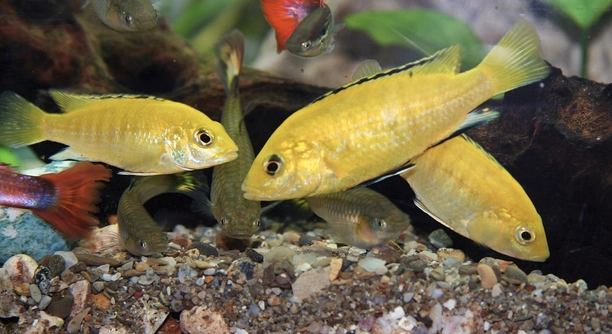
African cichlids are popular aquarium fish known for their vibrant colors and active behavior. Feeding them properly is essential to maintain their health and appearance. Different food options, including live food, are often considered by fish enthusiasts.
Feeding African cichlids live food can be beneficial as it mimics their natural diet and stimulates their hunting instincts. However, live food should be carefully sourced and supplemented with balanced pellets or flakes to ensure complete nutrition and avoid health risks.
This article will explain the advantages and precautions of feeding live food to African cichlids. It offers practical advice for maintaining a healthy and lively aquarium environment.
Benefits of Feeding Live Food to African Cichlids
Live food offers several advantages for African cichlids. It provides natural movement that encourages the fish to hunt, which helps keep them active and mentally stimulated. Live food is often rich in protein and nutrients essential for growth and coloration. This diet closely resembles what cichlids would eat in their natural habitat, supporting their overall health. Additionally, live food can improve digestion and appetite. Common live foods include brine shrimp, bloodworms, and daphnia. However, it’s important to provide variety to avoid nutritional gaps. Feeding live food alone may not supply all necessary vitamins and minerals, so it’s best combined with high-quality pellets or flakes designed for cichlids. Feeding live food also allows observation of fish behavior, making it more enjoyable to care for them.
While live food has benefits, it should be offered in moderation to prevent overfeeding and water quality issues.
Proper feeding of live food can improve your cichlids’ health and activity. It encourages natural behaviors and adds nutritional value to their diet, contributing to vibrant colors and better growth.
Risks and Precautions When Using Live Food
Live food carries some risks, mainly related to water quality and disease transmission. Uneaten live food can quickly pollute the tank, leading to poor water conditions that stress fish. Some live foods may carry parasites or bacteria harmful to cichlids if not properly sourced or quarantined. It is crucial to buy live food from reputable suppliers and avoid wild-caught options. Freezing or rinsing live food before feeding can reduce the risk of infections. Regular tank maintenance and water changes are also essential when feeding live food frequently.
Careful selection and preparation of live food are necessary to minimize health risks. Moderation and good tank hygiene ensure a safe environment for your fish.
Balancing live food with other types of feed can reduce potential risks while providing your cichlids with the benefits of a varied diet. Always monitor your fish’s response and water quality to maintain a healthy aquarium.
How to Choose the Right Live Food
Choosing the right live food is important for the health of your African cichlids. Not all live foods are suitable, so focus on those that provide proper nutrition and are safe for your fish.
Common live foods like brine shrimp, daphnia, and bloodworms offer good protein content and are easy to digest. Each type has unique benefits; for example, brine shrimp are rich in nutrients and encourage natural hunting behavior, while daphnia helps with digestion. It’s best to offer a variety to cover different nutritional needs. Avoid feeding wild-caught live food because it can introduce diseases or parasites into the tank. Instead, purchase from trusted suppliers or raise live food yourself under controlled conditions. Proper storage and preparation, such as rinsing or freezing before feeding, can also reduce risks.
Observing how your fish respond to different live foods helps identify their preferences and any potential issues. Adjust the types and quantities accordingly to maintain a balanced diet.
Feeding Frequency and Quantity
Feeding live food too often can lead to overfeeding and poor water quality, which harms African cichlids. Offering live food two to three times per week is usually sufficient, mixed with pellet or flake foods to provide balanced nutrition.
Small portions are best to avoid leftover food polluting the tank. Observe your fish during feeding to ensure they consume the live food quickly. Remove any uneaten live food promptly. Overfeeding can cause obesity and increase waste production, which stresses fish and reduces water quality. Maintaining proper feeding schedules also helps keep your fish healthy and active.
Combining live food with prepared diets ensures your cichlids receive all necessary nutrients. Adjust feeding based on your fish’s size, age, and activity level to support their growth and wellbeing.
Preparing Live Food Safely
Proper preparation of live food is essential to protect your cichlids from disease. Rinse live food thoroughly before feeding to remove contaminants and reduce bacteria.
Freezing live food for a short time can kill parasites while preserving nutrients. This step adds an extra layer of safety to your feeding routine.
Alternatives to Live Food
Frozen and freeze-dried foods offer convenient and safe alternatives to live food. They provide good nutrition without the risks of disease transmission.
Using high-quality pellets and flakes designed for African cichlids ensures a balanced diet. Combining these with occasional live or frozen food maintains variety and health.
Signs Your Cichlids Enjoy Live Food
When African cichlids actively chase and consume live food, it indicates they enjoy it. Bright coloration and increased activity also show they benefit from this diet addition.
When to Avoid Live Food
Avoid feeding live food if your fish show signs of illness or if the tank water quality is poor. In such cases, focus on pellets and flakes to reduce stress.
FAQ
Is live food necessary for African cichlids?
Live food is not strictly necessary but can greatly benefit African cichlids by providing natural nutrients and stimulating their hunting instincts. It complements pellets and flakes, offering variety and improving overall health. Many keepers successfully raise cichlids without live food, but occasional feeding enhances their well-being.
What types of live food are best for African cichlids?
Brine shrimp, bloodworms, and daphnia are popular and nutritious live foods for cichlids. Each offers different benefits: brine shrimp boost coloration, bloodworms provide rich protein, and daphnia aid digestion. Offering a mix ensures balanced nutrition. Avoid wild-caught live food to prevent disease risks.
How often should I feed live food to my cichlids?
Feeding live food two to three times per week is generally sufficient. Overfeeding live food can pollute the tank and cause health problems. Balance live food with prepared pellets or flakes to maintain a complete diet and avoid nutritional deficiencies.
Can live food cause diseases in my aquarium?
Yes, live food can carry parasites or bacteria if not sourced or prepared properly. Rinsing or freezing live food before feeding reduces these risks. Always buy from reputable suppliers and avoid wild-caught options to keep your fish safe.
What are the signs that live food is good for my cichlids?
If your fish eagerly chase live food and show improved activity and coloration, it indicates they are benefiting from it. Healthy digestion and consistent appetite also signal that live food is a good addition to their diet.
Should I use live food as the only food source?
No, live food alone does not provide all the nutrients cichlids need. It should be supplemented with high-quality pellets or flakes formulated for African cichlids. A varied diet ensures complete nutrition and prevents deficiencies.
How can I prevent live food from polluting the tank?
Feed small portions that your cichlids can consume quickly. Remove any uneaten live food immediately. Regular tank maintenance and water changes help keep the environment clean and reduce stress for your fish.
Can I breed my own live food?
Yes, many fish keepers breed live food such as brine shrimp or daphnia at home. This can be a cost-effective way to provide fresh, safe food. However, it requires some effort and proper setup to maintain cultures free from contamination.
What alternatives exist if I don’t want to feed live food?
Frozen and freeze-dried foods are good alternatives that reduce risks of disease. High-quality pellets and flakes designed for African cichlids provide balanced nutrition. Combining these with occasional live food or frozen substitutes keeps diets varied and healthy.
Is it safe to feed wild-caught live food?
Feeding wild-caught live food is risky because it can introduce parasites, bacteria, or toxins. It’s best to avoid this and stick to commercially raised or home-bred live food, which is safer and controlled for quality.
How should I store live food?
Keep live food in clean, aerated containers with proper temperature control. Avoid overcrowding to prevent stress and contamination. Use or refresh cultures regularly to ensure freshness and nutritional value.
What should I do if my fish refuse live food?
If your cichlids don’t accept live food, try different types or sizes. Some fish are cautious and may need time to adjust. Mixing live food with pellets or offering it during feeding times when fish are hungry can help encourage acceptance.
African cichlids benefit from a diet that includes a variety of foods to support their health and vibrant colors. Live food can be a valuable addition because it encourages natural hunting behaviors and provides essential nutrients. However, relying only on live food is not advisable, as it may not cover all dietary needs. Including high-quality pellets or flakes alongside live food helps ensure a balanced diet for your fish. This combination supports growth, activity, and overall well-being, making your aquarium a healthier environment.
It is important to approach feeding live food with care. Live food must be sourced from reliable suppliers or raised in controlled conditions to avoid introducing diseases or parasites. Proper preparation, such as rinsing or freezing live food, can reduce health risks. Additionally, overfeeding live food can cause water quality problems that stress fish and harm the tank ecosystem. Feeding small portions, removing leftovers promptly, and maintaining regular tank cleaning are necessary steps to keep your aquarium safe and clean.
Incorporating live food into your African cichlids’ diet can improve their activity and appearance when done thoughtfully. Observing your fish closely helps you understand their preferences and reactions to different foods. Adjusting feeding routines based on these observations allows you to provide the best care possible. Overall, live food is a beneficial supplement when used in moderation, alongside a well-rounded diet and good tank maintenance. This balanced approach helps ensure your African cichlids remain healthy and lively in their home environment.

Hello,
If you enjoy the content that we create, please consider saying a "Thank You!" by leaving a tip.
Every little bit helps us continue crafting quality advice that supports the health, happiness, and well-being of pets around the world, for pets of all shapes, sizes, and species.
We really appreciate the kindness and support that you show us!