
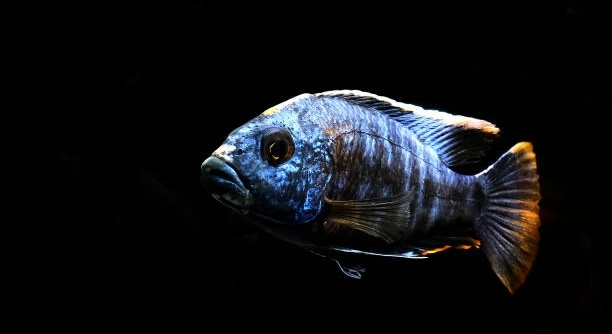
Do you ever find yourself wondering if your tropical fish really need all that equipment, especially when the room already feels warm enough?
African cichlids should not be kept without a heater, as they require consistently warm water temperatures between 75°F and 82°F to stay healthy. Fluctuating or low temperatures can weaken their immune systems and cause long-term stress.
Learning what happens when these fish experience cooler conditions can help you make better choices and avoid potential health problems in your aquarium.
Why Temperature Matters for African Cichlids
African cichlids come from lakes in East Africa where the water stays warm year-round. These fish are used to stable conditions, and temperature plays a major role in their overall health. Without a heater, the water in your tank can easily drop below what they need. Even if your room feels warm, water temperatures change more slowly and can dip at night or during colder months. This puts stress on the fish, which may lead to illness, low activity, or even aggression. Keeping the temperature stable helps support their immune system, digestion, and color development. A consistent heat source makes a big difference in their well-being and behavior. Heaters also let you control the exact temperature, which is hard to do without one. Without proper heat, African cichlids often struggle to thrive and may not live as long as they could with the right setup.
Short temperature drops can affect their mood, appetite, and overall health.
In cooler water, African cichlids often become sluggish, eat less, and may hide more. Their immune systems weaken, making them prone to infections like ich and fin rot. A drop in temperature can also change their social behavior. These fish can become more aggressive or lose interest in normal activity. Breeding may stop altogether, and their bright colors may fade over time. The stress from being too cold can build up, even if the change is small. While some may survive without a heater in mild climates, it’s not a good long-term solution. A proper heater keeps things steady and gives your fish a better chance at staying active, healthy, and colorful.
Can You Skip the Heater in Warm Climates?
If your home stays warm all year, you might think a heater isn’t necessary. But even then, the water temperature can still fluctuate.
Room temperature doesn’t always match water temperature, especially overnight or during cooler months. Even if the room feels fine to you, the water might be too cold for your fish. Most homes are not consistent enough to provide the steady heat cichlids need. Rooms with drafts or windows can cause sudden drops that you might not notice right away. Using a thermometer is helpful, but without a heater, you can’t control the temperature—only monitor it. While a few degrees may not seem like much, for tropical fish like African cichlids, that change can lead to stress and illness. If you live in a place where temperatures never drop below 75°F, you may manage without a heater, but it’s risky. A reliable heater is a simple and affordable way to protect your fish.
Common Issues Caused by Low Temperatures
Low temperatures often lead to slower metabolism in African cichlids. This affects how they digest food and fight off sickness. You may notice them eating less, swimming less, or staying in one spot for long periods, especially near the heater if one is present.
When their environment stays too cold, African cichlids can quickly become stressed. This makes them more likely to develop diseases like ich, fin rot, and swim bladder problems. Their colors might dull, and their usual behavior may change. They could become more aggressive or hide more than usual. These signs often show up slowly, so it’s easy to miss them at first. Over time, cold water weakens their immune system, leaving them open to repeated infections. Even if your tank looks clean and well-maintained, cold water alone can cause long-term health problems that are hard to fix without correcting the temperature.
Consistent cold conditions can also affect breeding. African cichlids need the right temperature range to spawn successfully. In cooler water, breeding often stops completely, and any eggs or fry may not survive. This can be frustrating if you’re trying to grow your colony or enjoy the natural behaviors these fish are known for. Additionally, cooler water slows down their development and growth rates. Juveniles may take longer to mature, and adult fish may become less active over time. These temperature issues often go unnoticed until your fish start showing signs of distress. Using a heater not only prevents these problems but also creates a more natural and comfortable setting for your cichlids to thrive.
How to Choose the Right Heater
The size of your aquarium will help determine what type of heater you need. A small tank may only require a basic submersible heater, while larger tanks might need two heaters to evenly distribute the heat.
Look for a heater that matches your tank’s size in watts—generally, 3 to 5 watts per gallon is a good rule. Make sure it’s adjustable, so you can fine-tune the temperature. Submersible heaters are the most common and tend to be reliable. Place the heater near strong water flow so the warmth spreads evenly across the tank. A thermometer is also important, especially a digital one, so you can track changes at a glance. If you live in an area with big temperature shifts, consider a heater with a built-in thermostat for better control. Some even have automatic shutoff features for added safety. Choose one with good reviews and avoid extremely cheap models that may not last.
What to Watch for Without a Heater
If you notice your African cichlids hiding more, losing color, or becoming less active, the water may be too cold. These small changes often point to temperature stress, even if the tank looks fine otherwise.
Slowed digestion and lack of appetite are other signs. Fish that don’t eat much or leave food behind may be uncomfortable with the water temperature. This can quickly affect their health and lead to illness if left unaddressed.
Temporary Solutions if You Don’t Have a Heater
If your heater breaks or you don’t have one yet, there are short-term ways to help. Keep the tank in a warm room, away from windows and drafts. Covering the tank with a lid or blanket (without blocking airflow) can help hold heat. Use your home’s heating system to keep the room temperature steady. Floating a sealed bag of warm water inside the tank can slightly raise the water temperature in emergencies. These are only temporary fixes, though. They won’t provide the steady, controlled heat your cichlids really need. Always check the water temperature with a thermometer and get a reliable heater as soon as you can.
Best Temperature Range to Maintain
The best temperature range for African cichlids is between 75°F and 82°F. Staying within this range helps support digestion, immune function, and breeding activity. Stability is more important than hitting an exact number.
FAQ
Can African cichlids survive without a heater?
African cichlids can sometimes survive short periods without a heater if the room temperature stays consistently warm. However, this is not ideal or safe for their long-term health. They need stable water temperatures between 75°F and 82°F. Without a heater, temperature fluctuations can stress the fish, weaken their immune system, and cause illness. In cooler climates or during colder seasons, survival without a heater becomes even less likely. Relying on room temperature alone is risky because water cools down faster than air, especially at night.
What happens if the water temperature is too low?
If the water temperature drops below the recommended range, African cichlids often become lethargic and eat less. Their immune defenses weaken, making them prone to common fish diseases like ich and fin rot. Behavior changes, such as hiding or increased aggression, may occur. Low temperatures also slow their metabolism and growth. Over time, these effects can shorten their lifespan and prevent breeding. Cold water conditions make it harder for cichlids to recover from stress or injuries.
Is it okay if the temperature varies a few degrees?
Small temperature variations of a degree or two usually don’t cause serious problems if they are brief. However, frequent or wide swings in temperature can stress your fish. African cichlids thrive best with steady conditions. Rapid drops or rises in water temperature affect their metabolism and immune system. Try to keep fluctuations minimal by using a good-quality heater with a thermostat. Avoid placing the tank near drafty windows or heating vents that cause uneven heating.
Can I use a heater with a thermostat?
Yes, heaters with built-in thermostats are recommended. They automatically turn on or off to keep the water within the set temperature range. This helps maintain a stable environment without constant monitoring. A thermostat prevents overheating and sudden drops, protecting your fish from temperature stress. It’s especially useful if you are away or forget to check the tank regularly. Pairing the heater with a separate thermometer allows for double-checking accuracy.
What size heater do I need for my tank?
Choose a heater based on your tank’s volume. The general rule is 3 to 5 watts per gallon of water. For example, a 20-gallon tank needs a 60- to 100-watt heater. Larger tanks might need two heaters placed at opposite ends to distribute heat evenly. Using an undersized heater will struggle to maintain temperature, while an oversized heater may overheat the water quickly. Always read the manufacturer’s guidelines and select one with an adjustable thermostat for best results.
Can African cichlids live in room temperature water without heating?
Living in room temperature water is possible only if your room consistently stays between 75°F and 82°F. Most homes do not keep such steady warmth, especially at night or during colder months. Even slight drops in temperature can harm the fish. Relying solely on room temperature is a gamble that often leads to stress and illness. A heater provides control and peace of mind, ensuring your cichlids have the environment they need regardless of the weather outside.
What signs show my heater isn’t working properly?
Watch for sudden changes in fish behavior like increased hiding, loss of appetite, or faded colors. These could indicate temperature problems. Also, check the heater itself for visible damage, cracks, or if it’s not heating water as expected. Using a reliable thermometer helps detect if the heater is maintaining a stable temperature. If you notice temperature swings or the heater stays off for long periods, it might need replacement. Never rely solely on the heater’s indicator light to judge performance.
Are there any risks of overheating with a heater?
Yes, heaters without a thermostat or faulty ones can cause overheating, which is dangerous. Too warm water lowers oxygen levels and stresses fish, leading to rapid breathing or erratic swimming. Using a heater with an adjustable thermostat and placing a thermometer in the tank reduces this risk. If the water gets too hot, do a partial water change with cooler water immediately. Regularly inspect the heater to avoid malfunctions.
How do I keep the temperature stable without a heater?
Without a heater, keeping temperature stable is difficult. You can place the tank in the warmest room, away from windows and drafts. Use tank covers or blankets to reduce heat loss, but allow airflow. Avoid sudden changes in room temperature by using a space heater nearby if safe. Frequent water temperature checks with a thermometer are important. Still, these methods only help temporarily. A heater is the best way to ensure consistent warmth for African cichlids.
Is it okay to have multiple heaters in a large tank?
Using two smaller heaters instead of one large heater in big tanks is a good idea. This helps distribute heat evenly, avoiding hot or cold spots. Placing heaters on opposite sides improves circulation and temperature balance. If one heater fails, the other can maintain some warmth temporarily. Make sure both heaters have adjustable thermostats and monitor the temperature closely to prevent overheating.
Can I use a heater with a built-in timer?
Heaters with timers are generally not recommended. African cichlids need constant, stable temperatures day and night. Turning the heater off for several hours can cause sudden temperature drops that stress the fish. Instead, use a heater with a thermostat that regulates temperature automatically. Keep the heater on continuously to maintain the right environment. Timers might be useful for lighting schedules but not for heaters.
How often should I check the water temperature?
Daily temperature checks are best, especially when you first set up the tank or change equipment. Using a reliable thermometer makes this easy. Regular checks help catch any heater failures or temperature fluctuations early. Once stable, checking a few times a week is usually enough. Keeping a log or note of temperature readings can help you spot trends or problems over time. This simple habit keeps your fish safe and healthy.
African cichlids are beautiful and active fish that need proper care to stay healthy. One of the most important parts of their care is keeping the water temperature stable and warm enough. Without a heater, it is very hard to maintain the right temperature in your tank. Even if the room where you keep your aquarium feels warm, water can cool down quickly, especially at night or during colder months. This can cause stress and health problems for your fish. Using a reliable heater designed for your tank size helps create a stable environment that supports their well-being and natural behavior.
Keeping the water temperature between 75°F and 82°F is best for African cichlids. When temperatures fall below this range, the fish may become less active, lose their appetite, or get sick more easily. Cold water slows their metabolism and weakens their immune system, making it hard for them to fight diseases. Over time, this can affect their color, growth, and even their lifespan. On the other hand, sudden or large temperature changes can also cause stress. A good heater with a built-in thermostat helps prevent these problems by maintaining a steady temperature day and night. This small investment makes a big difference in the health of your fish.
While it might be tempting to skip using a heater, especially if your home stays warm, it’s not recommended for long-term care. Temporary fixes like moving the tank to a warm room or covering it with blankets can help in emergencies, but they don’t replace a proper heater. A heater provides control and peace of mind that your fish have the right environment all the time. If you want your African cichlids to thrive, stay active, and show their best colors, investing in a good aquarium heater is essential. It’s one of the easiest ways to give them a comfortable home where they can live well.

Hello,
If you enjoy the content that we create, please consider saying a "Thank You!" by leaving a tip.
Every little bit helps us continue crafting quality advice that supports the health, happiness, and well-being of pets around the world, for pets of all shapes, sizes, and species.
We really appreciate the kindness and support that you show us!