
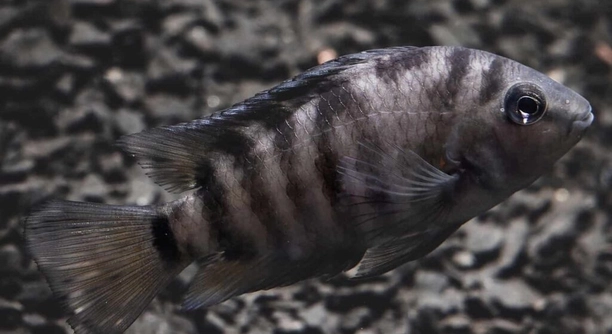
African cichlids are popular aquarium fish known for their vibrant colors and active behavior. Their interactions with reflections in mirrors often catch the attention of fish enthusiasts. Observing how these fish respond to mirrors can reveal interesting aspects of their nature and instincts.
African cichlids typically react to mirrors with territorial aggression and display behaviors. They perceive their reflection as another fish, often leading to chasing, flaring fins, and attempts to establish dominance over the perceived rival. These reactions vary depending on species and individual temperament.
Understanding cichlid mirror responses helps aquarists manage tank environments and fish behavior effectively. This knowledge can improve the care and wellbeing of these fascinating aquatic pets.
Why Do African Cichlids React Aggressively to Mirrors?
African cichlids are naturally territorial fish. When they see their reflection in a mirror, they mistake it for a rival intruder. This triggers their instinct to defend their space. The fish may flare their fins, charge at the mirror, or even bite it. These aggressive behaviors are common in many species of cichlids. The intensity of the reaction depends on the individual fish’s temperament and the environment it is in. In tanks with limited space, the reaction can be more pronounced because the fish feels trapped with the “intruder.” Mirror exposure can be a way to stimulate natural behaviors, but it should be used carefully to avoid causing excessive stress or injury.
Aggressive responses to mirrors are a natural way for cichlids to practice defending their territory. This behavior can be observed in many types of cichlids.
If you want to understand your cichlid better, watching its response to mirrors can reveal how it manages stress and dominance. Using mirrors occasionally can help keep the fish active but avoid overuse to prevent harm.
Using Mirrors Safely with African Cichlids
Mirrors can be useful tools to encourage activity and reduce boredom in cichlids, but it’s important to use them responsibly. Limit the time your fish spends near the mirror to short sessions, such as a few minutes once or twice a day. Prolonged exposure can increase stress and aggression, which may harm your fish over time. It’s also a good idea to observe how your fish reacts and adjust the duration accordingly. Some cichlids tolerate mirrors better than others. If your fish shows signs of extreme stress, like hiding or loss of appetite, stop using the mirror. By balancing mirror use with a well-arranged tank and companions, you can keep your cichlid healthy and active without unnecessary stress.
How Mirror Reactions Affect Cichlid Behavior
Mirror exposure often increases a cichlid’s activity levels. The fish may become more alert and display more vibrant colors. However, this heightened state is temporary and can lead to fatigue if prolonged. It is important to monitor your fish to avoid negative effects.
The aggressive behavior triggered by mirrors mimics real territorial disputes. Cichlids may spend significant time chasing their reflection, which can lead to exhaustion. Over time, repeated mirror exposure can cause stress, reducing the fish’s immune response. Stress may also lead to changes in appetite or hiding behavior. Balancing stimulation with rest is key to maintaining healthy behavior in cichlids.
Using mirrors as a form of enrichment can promote natural behaviors but must be managed carefully. Allowing short, controlled interactions helps keep cichlids active and engaged without causing harm. Combining mirror use with environmental enrichment like plants and rocks can reduce stress and promote well-being.
Differences in Species’ Responses to Mirrors
Different African cichlid species show varied reactions to mirrors based on their natural behaviors and social structures. Some species are highly territorial and respond aggressively, while others may be more passive or indifferent. Recognizing these differences is important for appropriate care and enrichment.
Species like the Mbuna from Lake Malawi are known for strong territorial instincts, often showing intense aggression toward their reflection. In contrast, species like the Peacock cichlid may display curiosity or brief territorial displays but quickly lose interest. Understanding your specific cichlid’s species traits can help in using mirrors effectively without causing undue stress. Observing individual behavior and adjusting mirror exposure ensures the fish’s comfort and health over time.
Signs Your Cichlid Is Stressed by the Mirror
Stress from mirror exposure can show in several ways. The fish might hide more often, lose appetite, or display unusual lethargy. Watching for these signs is important to protect their wellbeing.
Other signs include faded colors and rapid breathing. These symptoms suggest the fish is overwhelmed. It’s best to reduce mirror use immediately to prevent further stress.
How to Introduce a Mirror Safely
Start with very short mirror sessions, no longer than a minute or two. Observe your cichlid’s reaction closely to ensure it is not overly stressed. Gradually increase time only if the fish seems comfortable. This slow approach helps the fish adjust without harm.
Mirror Use Alternatives
Using other enrichment tools like plants or decorations can help reduce boredom without causing aggression. These options provide stimulation while maintaining a calm environment for your cichlid.
Final Care Tips
Always monitor your cichlid’s behavior after mirror exposure. Adjust the environment based on what keeps your fish healthy and happy.
FAQ
How long can I safely leave a mirror in my cichlid’s tank?
It’s best to limit mirror exposure to just a few minutes at a time, ideally once or twice daily. Prolonged mirror presence can cause excessive stress and aggression. Watching your fish’s behavior during these sessions helps decide the right duration. If your cichlid shows signs of fatigue or hiding afterward, reduce the time or frequency.
Will mirror exposure harm my cichlid physically?
Direct physical harm from a mirror is rare unless the fish aggressively strikes the glass repeatedly. Most concerns involve stress from prolonged aggression. To prevent harm, avoid leaving mirrors in the tank constantly and provide hiding spots so your cichlid can retreat if needed.
Can mirror use improve my cichlid’s health or activity?
Short, controlled mirror sessions can stimulate natural behaviors and increase activity. This can prevent boredom in tanks lacking other enrichment. However, excessive mirror exposure can be stressful and have the opposite effect. Balanced use is key to benefiting your fish.
Why does my cichlid sometimes ignore the mirror?
Not all cichlids respond the same way. Some species or individuals may not react strongly to mirrors due to temperament or environmental factors. If your fish ignores its reflection, it may feel secure or uninterested. This is normal and not a cause for concern.
Can mirror reactions help identify dominant fish?
Mirror responses can reveal territorial instincts but don’t always indicate true dominance within a community tank. A fish may act aggressively toward its reflection but behave differently with tank mates. Use mirror reactions alongside observations of social interactions to understand dominance.
Is it okay to use mirrors for all cichlid species?
Most African cichlids respond similarly to mirrors, but reactions vary by species and individual. Highly territorial species tend to react more aggressively. Passive species may show little interest. Research your specific species’ behavior before using mirrors regularly.
What signs show my cichlid is stressed from mirror exposure?
Look for hiding, loss of appetite, faded colors, rapid breathing, or lethargy. These signs mean the fish is overwhelmed and stressed. Reducing or stopping mirror use and improving the tank environment helps your cichlid recover.
Can mirror use replace social interaction for cichlids?
Mirrors do not replace real social interaction with other fish. Cichlids are social and often live in groups. Mirrors provide visual stimulation but lack the complexity of real interactions. Maintaining compatible tank mates is important for social health.
How often should I observe my cichlid when using mirrors?
Always supervise mirror sessions closely. Watch for signs of aggression or stress throughout. Frequent checks help adjust mirror use to your fish’s needs. Never leave mirrors unattended for long periods.
What other ways can I enrich my cichlid’s environment besides mirrors?
Adding plants, rocks, caves, and other decorations can offer hiding places and exploration opportunities. Changing tank layout occasionally keeps the environment interesting. Providing a balanced diet and clean water also supports health and natural behavior.
Does mirror use affect cichlid breeding behavior?
Mirror exposure may trigger territorial displays that resemble breeding behavior, but it does not substitute for real mates. Aggressive behavior toward the reflection can increase stress during breeding periods. Keep mirror use minimal if you plan to breed your cichlids.
Can juveniles and adults respond differently to mirrors?
Yes, juveniles may show more curiosity and less aggression, while adults often display stronger territorial reactions. Adjust mirror exposure based on age and behavior to avoid unnecessary stress.
Should I remove the mirror immediately if my cichlid shows aggression?
Not necessarily. Some aggression is normal and short-lived during mirror exposure. Remove the mirror only if the fish shows extreme aggression, stress signs, or physical harm. Short, controlled exposure can help manage natural instincts without harm.
Can mirror reactions change over time?
Yes, cichlids may become accustomed to their reflection and react less aggressively over time. Alternatively, stress levels may increase with repeated exposure. Monitor behavior regularly and adjust mirror use as needed.
Is mirror exposure recommended for newly introduced cichlids?
Avoid mirrors with new arrivals. Stress levels are already high during acclimation. Wait until the fish is settled before introducing mirror sessions to prevent added stress.
Can mirror use cause permanent behavioral changes?
There is no clear evidence of permanent behavior changes caused by mirrors. However, repeated stress might affect long-term health and behavior. Use mirrors cautiously and as part of a well-rounded care routine.
Final thoughts on how African cichlids react to mirrors highlight the balance needed when using this tool. Mirrors can be helpful in encouraging natural behaviors and keeping cichlids active, but they should be used with care. Because cichlids often see their reflection as a rival, the reactions are mostly aggressive. This aggression can be a way for the fish to practice defending territory, but if left unchecked, it can lead to stress and exhaustion. Limiting the time a mirror is in the tank helps avoid negative effects while still providing some stimulation.
It is important to watch your cichlid’s behavior closely when using a mirror. Signs like hiding, loss of appetite, or faded colors mean the fish is stressed and the mirror should be removed or used less often. Not all cichlids react the same way; some show strong aggression, while others ignore the reflection. Understanding your fish’s species and individual temperament can help you decide how to use a mirror safely. Using mirrors occasionally and in short bursts allows your cichlid to stay active without feeling threatened for too long.
Other forms of enrichment, such as plants, rocks, and hiding spots, work well alongside mirror use to keep your cichlid healthy and comfortable. Providing a varied and stimulating environment reduces boredom and helps manage aggression in a natural way. Overall, mirrors can be part of good cichlid care if used thoughtfully and carefully, paying attention to the needs of each fish and avoiding overuse. This approach helps maintain a healthy, active, and stress-free aquarium.

Hello,
If you enjoy the content that we create, please consider saying a "Thank You!" by leaving a tip.
Every little bit helps us continue crafting quality advice that supports the health, happiness, and well-being of pets around the world, for pets of all shapes, sizes, and species.
We really appreciate the kindness and support that you show us!