
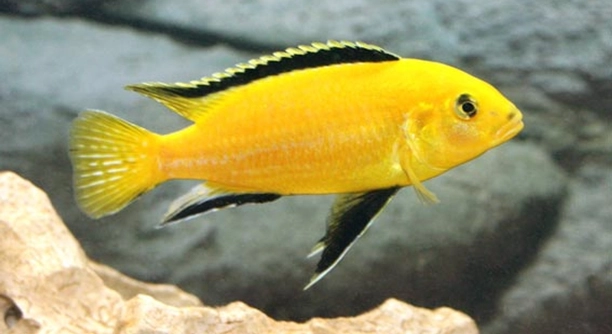
African cichlids are popular freshwater fish known for their vibrant colors and active behavior. Keeping them healthy requires understanding their needs and environment. Preventing disease in these fish is essential for a thriving aquarium community.
Preventing disease in African cichlids involves maintaining clean water, providing a balanced diet, avoiding overcrowding, monitoring for signs of illness, and quarantining new fish. These measures reduce stress and exposure to pathogens, promoting long-term health.
Maintaining these habits helps protect your cichlids and supports a lively, disease-free tank environment for all your aquatic pets.
Maintain Clean Water Regularly
Keeping water clean is the first step to preventing disease in African cichlids. Dirty water can quickly lead to harmful bacteria and parasites that affect fish health. Regular water changes help remove waste and toxins. Using a good filter system ensures debris and uneaten food do not build up. It is important to test water parameters like pH, ammonia, nitrite, and nitrate levels frequently. Stable conditions reduce stress and make the fish less vulnerable to infections. Avoid sudden changes in water temperature or chemistry because cichlids can react poorly to such shocks. Clean tanks also discourage algae growth, which can affect oxygen levels and water quality. Simple routines like siphoning the gravel during water changes help remove hidden waste. Keeping the tank environment balanced makes it easier for fish to stay healthy and active.
Regular cleaning and water testing keep your fish safe and comfortable, reducing the chance of disease outbreaks significantly.
Creating a routine for tank maintenance is essential. Setting reminders for weekly water changes and testing keeps you on track. Using a reliable water conditioner during changes protects your fish from chlorine and heavy metals. Watching your fish during these changes helps spot early signs of stress or illness. If problems arise, addressing water quality is usually the first fix. Clean water creates a natural barrier against disease and supports your cichlids’ vibrant colors and energy. This practice saves time and money on treatments later. When water quality is consistent, fish behavior improves, and breeding conditions become better.
Provide a Balanced and Nutritious Diet
A healthy diet strengthens your cichlids’ immune systems and prevents many diseases. Feeding a variety of high-quality foods ensures they get all necessary nutrients. Pellets, flakes, and frozen or live foods like brine shrimp or bloodworms work well. Avoid overfeeding, which can pollute the water and cause health problems. Offering vegetables like spinach or peas occasionally supports digestion. Fresh food sources contain essential vitamins and minerals that processed foods may lack. Feeding small amounts multiple times a day mimics natural feeding habits and reduces waste. Observe your fish while feeding to make sure all are eating well and none show signs of illness like weight loss or lethargy. A balanced diet is a simple but powerful way to keep African cichlids strong and disease-free.
Feeding the right foods in the right amounts helps maintain good water quality and supports overall fish health.
Avoid Overcrowding the Tank
Too many fish in one tank causes stress and poor water quality. Overcrowding increases the risk of disease spread quickly among cichlids.
Overcrowding reduces swimming space, making fish more aggressive and stressed. Stress weakens their immune systems, leaving them vulnerable to infections. Waste accumulates faster with more fish, making water conditions deteriorate rapidly. Proper tank size and the right number of cichlids prevent these problems. It is best to research each species’ space needs and compatibility before adding them to your aquarium. Keeping the population balanced helps maintain stable water quality and healthier fish. Overcrowding often leads to more fights and injuries, which can also invite infections.
Planning your tank size and fish count ahead ensures a peaceful environment. Regular monitoring helps adjust the population if needed. This care reduces illness and helps your cichlids thrive.
Monitor Fish Behavior and Health Closely
Watching your cichlids daily can catch early signs of illness or stress. Changes in color, appetite, or movement often indicate health issues.
Early detection allows for quicker treatment and better outcomes. Healthy fish are active, eat regularly, and display their natural colors. Signs like hiding, lethargy, clamped fins, or white spots should be taken seriously. Keep a log or notes of any changes for better tracking. Quarantining sick fish prevents spreading diseases to the entire tank. Using a magnifying glass can help spot parasites or skin problems more clearly. Consistent observation is one of the easiest ways to maintain a healthy tank. It also strengthens your connection with your fish, making care more rewarding.
Regular checks reduce surprises and help maintain a safe environment. Staying attentive protects your fish and keeps the aquarium stable and lively.
Quarantine New Fish
New fish can carry diseases that spread quickly in your tank. Quarantining them before adding to the main aquarium reduces this risk.
A separate quarantine tank for at least two weeks allows observation for illness. Treat any signs of disease before introducing new fish to your cichlid community.
Use Proper Filtration Systems
Filtration keeps the water clean by removing waste and toxins. A good filter maintains oxygen levels and reduces harmful bacteria growth. Choosing the right filter size for your tank is essential to ensure effective water flow and cleanliness. Regular filter maintenance prevents clogging and keeps it working efficiently. Clean filters support a healthy environment, reducing stress and illness in your fish.
Avoid Stressful Conditions
Stress weakens fish immune systems, making them prone to disease. Keeping stable water temperature and quality helps minimize stress.
FAQ
How often should I change the water in my African cichlid tank?
Water changes should be done weekly, usually replacing 20-30% of the tank water. This helps remove waste and toxins while maintaining stable water parameters. More frequent changes may be needed in heavily stocked tanks or if water quality drops. Always treat tap water with a conditioner to remove chlorine and heavy metals before adding it to the tank.
What signs show my cichlids might be sick?
Look for changes like loss of appetite, faded colors, clamped fins, erratic swimming, or hiding more than usual. White spots, redness, or swelling on the body are common signs of infections. Early observation can help treat illness before it spreads to other fish.
Can I use any fish food for African cichlids?
Not all foods are suitable. High-quality cichlid pellets or flakes formulated for their dietary needs are best. Supplement their diet with occasional live or frozen foods like brine shrimp. Avoid overfeeding, which pollutes the water and harms their health.
Why is my tank cloudy after a water change?
Cloudy water is usually caused by bacterial bloom, common after cleaning or new setups. It often clears up within a few days as beneficial bacteria establish balance. Avoid over-cleaning filters or gravel, which can disturb helpful bacteria.
How long should new fish stay in quarantine?
A quarantine period of at least two weeks is recommended. This time allows observation for hidden diseases or parasites. Quarantining prevents introducing illnesses to your main tank and protects your existing fish.
Is tank size important for preventing disease?
Yes, adequate tank size prevents overcrowding, which reduces stress and fights among fish. Stress weakens immune systems, making fish more vulnerable to diseases. Always research species-specific space needs and maintain proper stocking levels.
What temperature is best for African cichlids?
Most African cichlids thrive in water temperatures between 75°F and 82°F (24°C to 28°C). Stable temperatures reduce stress and support their immune systems. Use a reliable heater and thermometer to keep temperature consistent.
Can plants help prevent disease in my tank?
Live plants improve water quality by absorbing nitrates and providing oxygen. They also offer hiding spots, reducing stress for shy or aggressive fish. Choose hardy plants that tolerate cichlid behavior, as some species may uproot or eat plants.
How do I treat common diseases in African cichlids?
Treatment depends on the disease. Common issues like ich or fin rot can be treated with over-the-counter medications. Always follow dosage instructions carefully and isolate sick fish in a hospital tank if possible. Maintaining good water quality helps prevent disease in the first place.
Why is it important to avoid overcrowding?
Overcrowding causes poor water quality and stress, which lowers fish immunity. It also increases aggression and injuries among cichlids. A balanced population helps keep water stable and fish healthier.
Can I mix different species of African cichlids?
Some species can live together if they have similar sizes and temperaments. However, aggressive or territorial species may not be compatible. Research species compatibility before mixing to reduce stress and injury.
What role does filtration play in disease prevention?
Filtration removes toxins and waste that promote harmful bacteria and parasites. Good filtration keeps water clean and oxygen-rich, reducing stress on fish. Regular cleaning of filters ensures they work effectively without disrupting beneficial bacteria.
How do I prevent stress in my African cichlids?
Keep water parameters stable, avoid overcrowding, provide hiding spots, and feed a balanced diet. Regular tank maintenance and gentle handling during cleaning also reduce stress. Healthy fish resist diseases better.
Is quarantining new fish really necessary?
Yes, quarantining is one of the best ways to stop diseases from entering your main tank. Many infections are not visible right away, so this step protects your existing fish and reduces future health problems.
What should I do if I notice a sick fish?
Isolate the sick fish in a separate tank to prevent spreading illness. Test water quality and adjust if needed. Use appropriate medication based on symptoms, and monitor closely for improvement or worsening.
Can poor diet cause diseases in African cichlids?
Yes, inadequate or unbalanced diets weaken fish immunity and make them more susceptible to infections. Providing a varied and nutritious diet supports their health and vibrant colors.
How do I know if my water quality is good enough?
Test water regularly for ammonia, nitrite, nitrate, pH, and temperature. Ammonia and nitrite should always be zero, nitrate kept low. Stable pH suited to your species and consistent temperature keep fish healthy.
How long does it take for a fish tank to stabilize?
A new tank usually takes 4 to 6 weeks to cycle fully, meaning beneficial bacteria grow enough to process waste. During this time, careful monitoring and partial water changes prevent harmful buildup.
Can stress cause fish to stop eating?
Yes, stress from poor water conditions, overcrowding, or aggressive tank mates can reduce appetite. Addressing the source of stress helps fish regain normal eating habits and health.
Are medications always necessary when fish get sick?
Not always. Mild illnesses sometimes improve with better water quality and care. However, many diseases require proper medication to prevent spreading and serious damage. Always research or consult experts before treating.
This FAQ covers common concerns about preventing disease in African cichlids, helping you keep your fish healthy and your tank thriving.
African cichlids are beautiful and active fish that bring life to any aquarium. Keeping them healthy requires regular care and attention. By following simple steps like maintaining clean water, feeding a balanced diet, and avoiding overcrowding, you can greatly reduce the risk of disease. It is important to watch your fish closely for any changes in behavior or appearance. Early detection of problems helps prevent serious health issues and keeps your tank stable.
Proper tank maintenance is key to supporting your cichlids’ well-being. This includes performing regular water changes, testing water quality, and using effective filtration. A clean and stable environment lowers stress levels in your fish, which in turn strengthens their immune systems. When water conditions are consistent, fish are less likely to develop infections or parasites. Additionally, quarantining new fish before adding them to your tank helps stop the spread of disease. Taking these precautions creates a safe space where your African cichlids can thrive and display their natural colors and behaviors.
Overall, caring for African cichlids is a rewarding experience when done with attention and patience. While disease prevention requires effort, the benefits of a healthy and lively aquarium are well worth it. Keeping your fish free from illness improves their quality of life and allows you to enjoy their vibrant personalities. By staying committed to good habits and observation, you will help ensure your African cichlids remain strong and disease-free for years to come.

Hello,
If you enjoy the content that we create, please consider saying a "Thank You!" by leaving a tip.
Every little bit helps us continue crafting quality advice that supports the health, happiness, and well-being of pets around the world, for pets of all shapes, sizes, and species.
We really appreciate the kindness and support that you show us!