
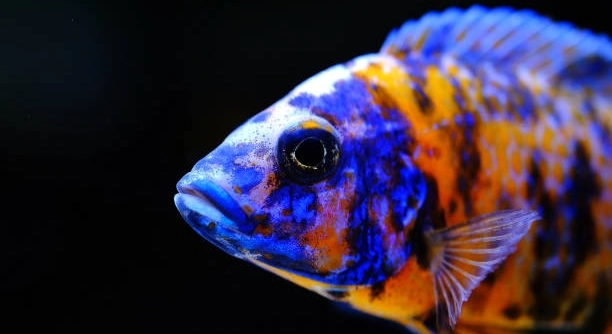
African cichlids are popular fish known for their vibrant colors and active behavior. Many aquarium enthusiasts enjoy keeping them but often wonder about their temperament in community tanks. Understanding their nature is important for a peaceful aquarium environment.
African cichlids can be peaceful depending on the species, tank setup, and social dynamics. Some species show aggressive tendencies, while others coexist calmly when given enough space and proper hiding spots to reduce stress and territorial disputes.
Knowing how to create a suitable environment can help maintain harmony among your cichlids. The following information explains the factors that influence their behavior and how to manage it effectively.
Understanding African Cichlid Behavior
African cichlids have diverse personalities depending on their species. Some are naturally more aggressive, while others tend to be calmer. Their behavior is often influenced by their environment, tank size, and companions. For example, smaller tanks can increase territorial aggression, especially among males. Providing plenty of hiding spots like rocks and caves helps reduce stress and conflict. It’s also important to keep cichlids in groups to balance social dynamics. Mixing species with different temperaments may lead to fights, so choosing compatible species is key. Feeding routines and water quality also affect their mood. When cichlids feel secure and have space, they are more likely to exhibit peaceful behavior. Observing their interactions regularly can help you notice early signs of aggression and adjust the environment accordingly. This approach supports healthier fish and a more enjoyable aquarium experience overall.
Tank size and setup play a crucial role in cichlid behavior. Larger tanks with ample decor promote peace.
Providing enough space and appropriate hiding places minimizes stress and reduces territorial disputes among African cichlids.
Choosing Peaceful African Cichlid Species
Selecting the right species is essential for a peaceful tank. Some African cichlids are known for their more tolerant nature. Species like the Kribensis and certain Peacock cichlids are often calmer compared to others like the Mbuna group, which tends to be more territorial and aggressive. Understanding the typical behavior of each species helps prevent problems. It’s best to avoid overcrowding and keep only species with similar temperaments together. Also, females usually show less aggression than males. Researching species’ needs regarding water chemistry, diet, and social behavior ensures their well-being. When mixed carefully, peaceful species can live in harmony, creating a vibrant but calm aquarium. Regular monitoring and adjusting tank conditions can maintain this balance, making your aquarium a more enjoyable space for both the fish and you.
Tank Setup for Peaceful African Cichlids
A well-planned tank setup is essential to minimize aggression among African cichlids. Proper hiding spots and enough swimming space help fish feel secure.
Using rocks, caves, and plants can create territories and reduce fights. Open swimming areas allow active movement without constant confrontation. Maintaining clean water and stable parameters supports healthy behavior. Avoid overcrowding by selecting an appropriate tank size. Each species has different space needs, so research is important. A balanced setup promotes peace, making it easier to enjoy your cichlids.
Regular maintenance also affects fish behavior. Uneaten food and waste buildup lead to poor water quality, increasing stress and aggression. Consistent filtration and water changes keep conditions optimal. Observing fish interactions helps you spot early signs of trouble. Adjusting decor or removing aggressive fish promptly can prevent escalation. Thoughtful tank setup and ongoing care improve chances for a peaceful African cichlid community.
Feeding and Social Dynamics
Feeding routines impact African cichlids’ temperament. Providing a balanced diet on a regular schedule reduces competition and stress. Uneven feeding can lead to fights over food. Feeding in multiple spots helps distribute resources fairly. Avoid overfeeding to maintain water quality and fish health. Including a mix of protein and vegetable matter suits most species. Social hierarchy forms naturally, but balanced feeding supports calmer interactions. Observing feeding behavior helps identify aggressive individuals.
Group size influences social behavior. Keeping more fish than territory spots spreads aggression. Overcrowding causes stress, but too few fish may increase targeting of weaker individuals. Finding the right balance reduces bullying. Mixing species requires careful consideration to prevent dominance. Monitoring and adjusting group composition maintains harmony in your tank.
Signs of Aggression to Watch For
Aggression in African cichlids can appear as chasing, nipping, or color changes. These signs show stress or territorial disputes. Recognizing them early helps prevent serious harm.
If fights become frequent or severe, separating aggressive fish or rearranging the tank can reduce tension. Timely action protects the well-being of all fish.
Managing Aggression in the Tank
To manage aggression, increase hiding spots and rearrange tank decorations regularly. This disrupts established territories and reduces fights. Adding more fish can also spread aggression more evenly. Avoid keeping only one dominant male, as this often causes conflict. Keeping water conditions stable and feeding consistently further lowers aggression. Monitoring fish behavior daily lets you respond quickly to problems. These steps create a more peaceful environment for your cichlids and improve their overall health.
The Role of Water Quality
Good water quality supports calm behavior. Poor conditions increase stress and aggression among African cichlids. Regular testing and maintenance are essential to keep fish healthy.
Using Tank Mates Wisely
Choosing compatible tank mates helps reduce conflicts. Avoid aggressive or very passive species to maintain balance.
FAQ
Can African cichlids live peacefully with other fish?
African cichlids’ ability to live peacefully with other fish depends on the species and tank setup. Some cichlids are more aggressive and territorial, which can cause problems with smaller or more passive fish. Choosing tank mates of similar size and temperament reduces conflicts. Avoid placing cichlids with very slow or delicate species, as they may become targets. Providing enough space and hiding spots can help all fish coexist more calmly. Careful planning is key to a peaceful mixed tank.
How big should my tank be for African cichlids?
Tank size varies depending on the species and number of fish. Generally, a minimum of 30 gallons is recommended for a small group, but larger tanks of 50 gallons or more are better for reducing aggression. More space helps establish territories and reduces crowding, which lowers stress and fights. Overcrowding increases aggression and health problems. Always research your specific cichlid species for ideal tank size recommendations.
What are the best hiding places for African cichlids?
Rocks, caves, and crevices make excellent hiding spots. These natural features allow fish to establish territories and retreat when stressed. Using aquarium-safe stones stacked to create caves is common. Avoid sharp decorations that can injure fish. Plants can provide cover but should be chosen carefully, as some cichlids may uproot them. Hiding spots are essential in calming fish and preventing aggressive encounters.
Can males and females live together peacefully?
Males and females can live together, but males often compete for dominance, especially during breeding. In some species, males are highly territorial and may harass females or other males. Keeping more females than males reduces aggression, as it spreads the male’s attention. Providing sufficient space and hiding places helps females avoid constant stress. Monitoring behavior during breeding times is important to prevent harm.
What should I feed African cichlids to reduce aggression?
A balanced diet with both protein and vegetable matter supports good health and reduces stress-induced aggression. Feeding high-quality pellets designed for cichlids works well. Supplementing with vegetables like spinach or peas and occasional live or frozen foods adds variety. Feeding multiple spots in the tank prevents food competition, which can trigger fights. Avoid overfeeding, as leftover food degrades water quality and increases aggression.
How often should I clean the tank?
Regular cleaning is essential to maintain water quality and reduce aggression caused by stress. Partial water changes of 20-30% every one to two weeks are recommended. Cleaning the substrate to remove waste and uneaten food helps prevent harmful buildup. Filter maintenance should follow manufacturer guidelines. Keeping water stable and clean supports healthy fish and calmer behavior.
Can rearranging the tank reduce aggression?
Yes, rearranging the tank disrupts established territories and can reduce fighting. Moving rocks, caves, and decorations confuses fish, forcing them to re-establish their areas. This often calms dominant individuals and balances aggression. However, frequent drastic changes may stress fish, so do it thoughtfully. Rearranging is a useful tool when aggression becomes a problem.
Is it better to keep African cichlids in groups or alone?
Keeping African cichlids in groups is generally better. Groups help spread aggression and create social balance. A single aggressive fish can dominate a tank with only a few fish, causing stress. Larger groups allow weaker fish to hide and reduce targeting. However, overcrowding should be avoided. A proper group size depends on the tank and species but usually means at least six or more fish.
What signs indicate a fish is too stressed?
Signs of stress include hiding excessively, loss of color, rapid breathing, and reduced appetite. Aggressive chasing or constant fleeing also signals stress. Stressed fish are more prone to illness and may worsen aggression in the tank. Monitoring these signs and adjusting tank conditions promptly improves fish health and peace.
Can African cichlids change behavior over time?
Yes, behavior can change with age, tank conditions, and social dynamics. Young cichlids might be less aggressive but develop stronger territorial instincts as they mature. Changes in tank mates or environment can also affect behavior. Regular observation helps you adapt care to maintain a peaceful community.
Are all African cichlids aggressive?
Not all African cichlids are aggressive. Aggression varies by species and individual temperament. Some species are naturally more tolerant and peaceful, while others are highly territorial. Even aggressive species can be managed with proper tank setup and care. Understanding the specific needs of your cichlids helps create a harmonious tank.
What should I do if aggression becomes severe?
If aggression becomes severe, separating aggressive individuals is often necessary. You can use a separate tank or divide the main tank temporarily. Increasing hiding spots and rearranging decorations also helps. Reducing the number of aggressive males or balancing group size can calm the tank. In extreme cases, rehoming some fish may be the best solution to protect all involved.
Does water temperature affect cichlid behavior?
Water temperature influences metabolism and activity levels. Most African cichlids thrive between 75-82°F (24-28°C). Temperatures outside this range can stress fish, leading to increased aggression or lethargy. Keeping a stable temperature supports consistent behavior and good health. Sudden changes should be avoided.
How important is pH and water hardness for peace?
African cichlids generally prefer alkaline water with a pH between 7.8 and 8.6 and moderate to hard water. Proper water chemistry helps maintain health and reduces stress-related aggression. Frequent testing and adjustments ensure the environment matches your cichlids’ natural habitat needs. Incompatible water conditions can cause illness and irritability.
Can decorations alone keep peace in the tank?
Decorations help by providing hiding places and breaking line of sight, but they are not enough alone. Proper species selection, tank size, feeding, and water quality all play essential roles. A combination of good decor and overall care creates the best chance for peaceful cichlids.
Is it normal for African cichlids to show occasional aggression?
Yes, occasional aggression is natural. Cichlids are territorial fish, and some level of chasing or displays helps establish social order. Problems arise when aggression becomes constant or causes injury. Keeping an eye on intensity and frequency lets you decide if intervention is needed. Normal behavior can coexist with a peaceful tank when managed well.
African cichlids are fascinating fish with a wide range of behaviors. Their temperament varies greatly depending on species, tank setup, and social environment. While some cichlids are naturally aggressive and territorial, others can be quite peaceful if given the right conditions. Understanding these differences is important before adding them to an aquarium. Knowing how to manage their space, tank mates, and feeding habits will help create a more balanced and calm environment for them. Proper preparation reduces stress for the fish and makes caring for them easier and more enjoyable.
Tank size and layout have a big impact on how African cichlids behave. Providing plenty of hiding spots with rocks, caves, and decorations helps break up territories and offers places for fish to retreat when needed. A larger tank reduces crowding and gives each fish more room to establish its own space. This limits fights and allows the fish to interact more naturally. It is also important to keep groups of fish that suit each other well. Mixing highly aggressive species with more peaceful ones can lead to problems. Keeping the tank clean and stable with regular water changes is equally vital, as poor water quality increases stress and aggression.
Feeding routines and social balance also play key roles in maintaining peace. Providing a balanced diet and feeding in multiple locations reduces competition for food, which is a common trigger for fights. Keeping enough fish in a group spreads aggression and prevents any one individual from being targeted too much. Watching how the fish behave and acting quickly if aggression becomes a problem will protect the health of all your cichlids. With attention to these details, African cichlids can coexist peacefully and thrive, creating a lively and colorful aquarium that is rewarding to maintain.

Hello,
If you enjoy the content that we create, please consider saying a "Thank You!" by leaving a tip.
Every little bit helps us continue crafting quality advice that supports the health, happiness, and well-being of pets around the world, for pets of all shapes, sizes, and species.
We really appreciate the kindness and support that you show us!