
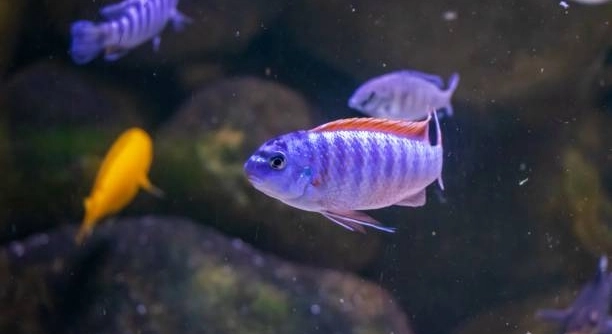
Cichlids are beautiful and often territorial fish that can sometimes get into fights. When a fight happens, it can leave both fish stressed or injured. Knowing how to care for them afterward is important for their recovery and well-being.
After a cichlid fight, immediate actions include separating the fish to prevent further aggression, checking for injuries, maintaining clean water conditions, reducing stress through a calm environment, and monitoring their behavior closely to support healing and prevent infections.
Taking the right steps after a fight helps ensure your cichlids stay healthy and peaceful in their tank. These simple actions can make a big difference in their recovery process.
Separate the Fighting Cichlids Immediately
Separating cichlids right after a fight is essential to stop further damage. When fish are left together after an altercation, aggression can continue and cause more harm. Use a temporary tank or a divider inside the aquarium to keep them apart. This reduces stress and helps the injured fish begin to heal. Pay attention to how you handle the fish during separation to avoid causing extra stress or injury. Keep the water clean and maintain proper temperature and filtration in both tanks. After separation, avoid adding new fish immediately, as this can increase stress levels. Monitor each fish closely to observe any signs of infection or worsening injuries. Proper separation is the first step in giving your cichlids a chance to recover fully.
Separating aggressive fish quickly limits injury and stress, creating a safer environment for healing and reducing the risk of ongoing conflict.
Keeping them apart prevents fights from escalating. This break allows their bodies to focus on recovery without constant threat. Make sure their spaces have enough hiding spots and plants to reduce stress further. Clean water and stable conditions support the healing process. Use this time to observe any changes in behavior or appetite, which can signal how well they are recovering. In some cases, you may need to provide additional care like salt baths or medication, but always base treatments on the fish’s condition. Separation combined with proper care increases the chances of both fish returning to a peaceful tank environment.
Check for Injuries and Treat Them
Immediately after a fight, examine your cichlids for visible injuries. Look for torn fins, scratches, or any unusual behavior such as lethargy or loss of appetite. Minor injuries may heal on their own if the water quality is good, but serious wounds might require treatment. Use aquarium-safe antibacterial medications if needed to prevent infections. Avoid overcrowding the tank during recovery, as stress and competition can worsen injuries. Providing a quiet and stable environment helps your fish regain strength. Sometimes, isolated care in a hospital tank is necessary for more severe cases. Monitoring their health regularly ensures that wounds heal properly and no secondary problems develop.
Treating injuries promptly prevents infections and helps restore your cichlids’ health more quickly.
Injuries after fights can range from small fin tears to deeper wounds. Clean water and a stress-free environment are critical for healing. If you notice signs of infection, such as redness or swelling, medication might be required. Keep monitoring your fish’s behavior for any changes that might indicate pain or discomfort. Maintaining good water parameters and feeding nutritious food supports recovery. It is important to act quickly and consistently to avoid complications and ensure the fish return to their normal activity and vibrant colors.
Maintain Clean Water Conditions
Keeping the water clean is vital after a cichlid fight to prevent infections and support healing. Regular water changes and proper filtration help keep harmful bacteria and toxins low.
Clean water reduces stress on injured fish and speeds up recovery. Remove uneaten food and waste promptly to avoid water quality issues. Test the water parameters often, especially ammonia, nitrite, and nitrate levels, to ensure they remain safe. Avoid drastic changes in temperature or pH, as injured fish are more sensitive to environmental shifts. Use a gentle filter to prevent further stress or injury. Maintaining stable, clean water conditions creates the best environment for your cichlids to heal.
If water quality deteriorates, infections and illnesses can develop quickly, worsening your fish’s condition. Paying close attention to cleanliness helps avoid additional complications during the healing process. Even small water changes daily or every other day can make a significant difference in the tank’s environment.
Reduce Stress and Create a Calm Environment
Stress can delay healing and cause additional health problems in cichlids after a fight. Minimize noise and sudden movements near the tank. Use dim lighting to help the fish relax and feel safer. Adding plants or hiding spots can give them a place to retreat and recover privately. Avoid rearranging decorations or introducing new tank mates during recovery to keep stress low. A calm environment helps your fish regain strength more efficiently.
Providing a peaceful setting improves overall well-being during this vulnerable time. Stress affects immune responses, making fish more prone to disease. Keeping the tank environment stable and quiet allows them to focus energy on healing. Maintaining consistent feeding times with easily digestible food also supports recovery without causing additional stress. Adjusting your tank care routine temporarily can have lasting benefits for your cichlids’ health and happiness.
Monitor Their Behavior Closely
Watch your cichlids carefully for any changes in behavior after the fight. Signs like hiding, reduced movement, or loss of appetite indicate stress or injury.
Early detection of problems allows for quicker intervention. Noticing subtle changes helps prevent worsening conditions and supports timely treatment.
Provide Proper Nutrition
Feeding your cichlids high-quality, nutritious food is important during recovery. Protein-rich diets help repair damaged tissues and boost the immune system. Avoid overfeeding, which can foul water and cause stress. Include foods that are easy to digest, such as pellets or frozen options, to ensure proper nutrition without upsetting their stomachs.
Avoid Reintroducing Fish Too Soon
Do not reintroduce separated cichlids back into the main tank too quickly. Wait until all injuries have healed and aggressive behaviors have ceased to prevent repeat fights.
Prepare for Future Conflicts
Make adjustments to the tank setup or fish population to reduce the risk of future fights.
FAQ
How do I know if my cichlid is seriously injured after a fight?
Look for torn fins, deep cuts, bleeding, or unusual behavior such as hiding constantly, refusing to eat, or swimming erratically. Serious injuries may cause lethargy or rapid breathing. If you see swelling, redness, or white patches, these can be signs of infection needing treatment.
Can minor fin damage heal on its own?
Yes, minor fin tears often heal naturally if water quality is excellent and stress is low. Make sure to keep the tank clean and avoid overcrowding. Provide a calm environment and monitor the fish daily. If damage worsens or infection develops, consider using antibacterial treatments.
Should I separate the fish permanently if they fight?
Not always. Separation is necessary immediately after fights to stop injuries. After recovery, gradual reintroduction might be possible if the aggression decreases. However, some cichlids remain territorial and aggressive long-term, so permanent separation or a divided tank might be required.
How often should I do water changes after a fight?
Increase water changes to 20-30% every few days during recovery. This helps remove waste and harmful bacteria that could cause infections. Keep testing water parameters regularly and avoid sudden temperature or pH shifts to minimize stress.
What foods help my cichlid recover faster?
Feed high-protein foods such as quality pellets, frozen brine shrimp, or bloodworms. These support tissue repair and boost the immune system. Avoid overfeeding to prevent water quality problems. Offering a varied diet also promotes overall health.
Can stress delay healing in cichlids?
Yes, stress weakens the immune system and slows healing. Noise, sudden movements, poor water quality, and aggressive tankmates increase stress. Reducing stress through quiet surroundings, hiding spots, and stable water conditions improves recovery rates.
When should I use medication after a fight?
Use medication if wounds show signs of infection, like redness, swelling, white patches, or if your cichlid’s behavior worsens. Always choose aquarium-safe antibacterial or antifungal treatments and follow dosage instructions carefully. Avoid treating unless clearly necessary to prevent harming beneficial bacteria.
How can I prevent future fights between my cichlids?
Provide enough space, hiding spots, and visual barriers to reduce territorial disputes. Avoid overcrowding and introduce fish of similar size and temperament. Adjust tank layout and decorations regularly to minimize territorial claims. Observe behavior closely and separate fish early if aggression resurfaces.
Is it normal for cichlids to hide after a fight?
Yes, hiding is a common behavior as fish recover from stress or injuries. It allows them to rest and avoid further conflict. Make sure they have plenty of plants or decorations to retreat to, and avoid disturbing them during this period.
How long does it take for cichlids to fully recover after a fight?
Recovery time varies depending on injury severity and care quality. Minor wounds may heal within one to two weeks. More serious injuries or infections can take several weeks. Consistent care, good water quality, and reduced stress are key to a smooth recovery.
Should I change the tank setup after a fight?
Sometimes changing the setup can help reduce aggression. Adding plants, rocks, or hiding places breaks sightlines and territories, which lowers fighting. However, avoid drastic changes during recovery, as sudden disruptions can increase stress.
Can one cichlid cause all the fighting in a tank?
Often, a dominant or aggressive fish starts fights. Identifying and separating that fish can reduce conflicts. Sometimes aggression is due to overcrowding or incompatible species. Managing population and tank size can prevent ongoing problems.
Is it okay to use a hospital tank for injured cichlids?
Yes, a hospital tank offers a controlled, stress-free environment for healing. It isolates the injured fish from aggressors and makes monitoring easier. Keep the water clean and stable, and provide gentle filtration to support recovery.
When a fight happens between cichlids, it is important to act quickly and carefully. Taking the right steps after the fight helps prevent further injuries and promotes healing. Separating the fish immediately, checking for injuries, and maintaining clean water are the most important actions to take. These steps reduce stress and help the fish recover more quickly. By paying close attention to their condition and behavior, you can catch any problems early and treat them before they get worse.
Providing a calm and stable environment during recovery supports your cichlids’ health. Stress can delay healing and increase the chance of illness, so keeping noise low and offering hiding places is beneficial. Feeding nutritious, easy-to-digest food also helps repair damaged tissues and boosts the immune system. While minor injuries often heal on their own, more serious wounds may need medication or special care. Monitoring water quality, including temperature and pH, is essential to avoid adding stress to injured fish. Taking these steps ensures your cichlids stay as healthy as possible after a fight.
Prevention is key to avoiding future conflicts in your aquarium. Adjusting the tank layout to include plants, rocks, and other hiding spots can reduce territorial disputes. Avoid overcrowding and choose compatible fish species to maintain harmony. If aggression continues despite these measures, separating aggressive individuals may be necessary for the safety of all fish. Remember that patience and consistent care play a big role in keeping your cichlids peaceful and thriving. By following these guidelines, you can help your fish live healthier, calmer lives after any fights.

Hello,
If you enjoy the content that we create, please consider saying a "Thank You!" by leaving a tip.
Every little bit helps us continue crafting quality advice that supports the health, happiness, and well-being of pets around the world, for pets of all shapes, sizes, and species.
We really appreciate the kindness and support that you show us!