
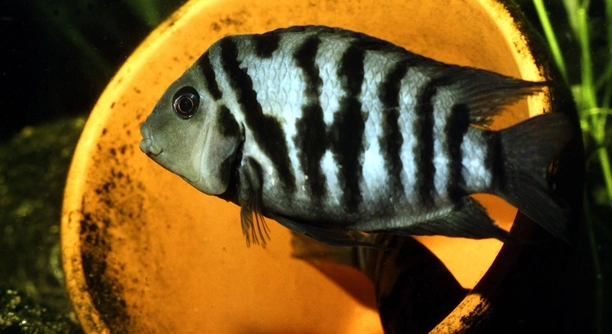
Are your cichlids showing signs of stress, aggression, or illness despite your best efforts to create a healthy tank environment?
The most common mistakes beginners make when keeping cichlids include poor tank setup, overcrowding, incorrect water parameters, and incompatible tank mates. These errors often lead to aggression, stress, and poor health among fish, impacting overall tank harmony.
Recognizing these common missteps can help you build a thriving aquarium and create a better home for your colorful and active cichlids.
Starting with the Wrong Tank Size
Many beginners choose small tanks thinking they’re easier to manage, but this often leads to major problems for cichlids. These fish need space to swim, claim territory, and establish their social structure. A cramped tank causes stress, fights, and poor water quality. Smaller tanks also make it harder to maintain stable parameters, which is critical for sensitive cichlid species. A minimum of 30 gallons is needed for smaller cichlids, but larger species or mixed groups may need 55 gallons or more. Always plan based on the adult size and number of cichlids you want to keep.
Choosing a small tank leads to overcrowding and stress. Bigger tanks give your cichlids space to grow, move, and live peacefully.
Think long term when setting up your cichlid tank. A properly sized aquarium supports better water quality and reduces aggressive behavior. This helps your fish thrive and saves you from constant maintenance or unexpected issues.
Overcrowding the Aquarium
Adding too many fish too quickly is a common mistake. It can lead to aggression, poor water quality, and disease outbreaks.
Cichlids are territorial and thrive in specific social setups. Overcrowding often leads to bullying, injuries, and even death. Each fish produces waste, and more fish means more ammonia, which can be harmful if not filtered properly. A good filter helps, but it can’t fix bad stocking choices. Some aquarists attempt to overstock to “spread out” aggression, but this requires advanced planning, heavy filtration, and consistent maintenance. It’s not beginner-friendly. Instead, start with fewer fish and observe their behavior. This gives you a chance to learn and adjust. Be cautious when mixing different species, especially if they come from different regions or require different water conditions. Matching temperament and size is essential. Also, give each fish room to establish its own space with rocks and hiding spots. Keeping things balanced will help you avoid common issues and keep your tank peaceful and clean.
Using Incompatible Tank Mates
Mixing cichlids with the wrong fish causes stress, injuries, and often leads to death. Not all fish can handle the territorial and aggressive nature of cichlids, especially in a limited space. Compatibility should always be based on behavior, size, and water requirements.
Avoid pairing cichlids with passive or slow-moving fish like guppies, tetras, or angelfish. Cichlids often nip fins or chase less aggressive tank mates. Even within the cichlid family, not all species get along. African and South American cichlids, for example, prefer different water parameters and should not be mixed. A poor mix often leads to stress-related diseases or death. If you’re starting out, research compatible groups—like mbunas with other mbunas—and avoid mixing large, aggressive species with smaller, less territorial ones. Stick with similar temperament and size to help maintain balance and reduce aggression in your tank.
Matching tank mates by region and temperament helps avoid constant stress and aggressive outbursts. Provide enough space and hiding areas to allow fish to establish territories. Fish need visual breaks and clear boundaries. Rocks, plants, and caves can reduce tension. Also, watch for changes in behavior after introducing new fish. Even if the species are compatible, individual personalities can differ. Early signs of chasing or biting mean adjustments are needed to protect both the newcomer and the existing fish.
Incorrect Water Parameters
Maintaining the wrong water conditions weakens your cichlids’ immune systems. pH, hardness, and temperature all need to match the needs of the specific species you keep. Sudden changes or poor monitoring often lead to illness or death.
African cichlids usually need a higher pH between 7.8–8.6 and harder water, while South American cichlids often thrive in slightly acidic water with a pH of 6.5–7.5. Temperature should stay stable, typically between 75–82°F, depending on the species. Using tap water without adjusting it can lead to poor health or failed breeding. A basic water test kit helps you track parameters easily, and using a digital thermometer ensures consistency. Avoid large water changes that shift parameters too fast. When adjusting conditions, always do so slowly. A well-maintained tank with the right parameters encourages better color, activity, and overall health. Matching the natural habitat as closely as possible makes a big difference in your fish’s long-term wellbeing.
Feeding Too Much or Too Often
Overfeeding cichlids causes bloating, waste buildup, and poor water quality. Uneaten food sinks and breaks down, increasing ammonia levels. Cichlids only need small portions once or twice a day, based on their size and age.
Too much food makes fish sluggish and pollutes the tank quickly. Stick to a routine and remove leftovers.
Not Providing Enough Hiding Spots
Cichlids need hiding spots to feel secure and establish territories. Without caves or plants, aggressive behavior increases. Use rocks, driftwood, and decorations to break sightlines and give fish a place to retreat. This helps reduce stress and keeps the tank calm.
Skipping Regular Maintenance
Neglecting routine cleaning and water changes causes water quality to drop. Dirty filters and old water lead to health problems fast. Staying on schedule helps prevent illness and keeps the environment stable.
How often should I feed my cichlids?
Feeding frequency depends on the species and age of your cichlids. Generally, feeding once or twice a day is enough. Offer only what they can finish in a few minutes to avoid leftover food that pollutes the tank. Overfeeding can cause health problems and water quality issues.
What is the best tank size for beginner cichlids?
A minimum of 30 gallons is recommended for smaller cichlid species. Larger or more aggressive cichlids need tanks of 55 gallons or more. Bigger tanks help maintain stable water conditions and reduce territorial disputes by providing enough space for each fish.
Can I keep different types of cichlids together?
Mixing cichlids from different regions or with different temperaments is risky. African cichlids prefer hard, alkaline water, while South American species like softer, acidic water. Even within one group, some species are more aggressive than others. Research compatibility carefully and avoid mixing large, aggressive cichlids with smaller or peaceful ones.
What water parameters do cichlids need?
Water requirements vary by species. African cichlids generally prefer a pH between 7.8 and 8.6 and harder water. South American cichlids usually thrive in pH 6.5 to 7.5 and softer water. Temperature should remain stable, usually between 75 and 82°F. Regular testing helps maintain the right conditions.
How often should I perform water changes?
Water changes should happen weekly or biweekly depending on tank size and stocking levels. Changing 20–30% of the water helps remove toxins and maintain water quality. Always use a water conditioner to remove chlorine and chloramine from tap water before adding it to the tank.
What type of filtration is best for a cichlid tank?
Strong, efficient filtration is essential. Cichlids produce a lot of waste, so filters that provide mechanical, biological, and chemical filtration work best. Canister filters or hang-on-back filters with a high flow rate are popular choices. Clean or replace filter media regularly to keep the system effective.
Why are my cichlids fighting?
Cichlids are territorial fish, and some aggression is normal. Fighting often happens in overcrowded tanks or when hiding spots are limited. Increasing tank size, adding more hiding places, and reducing the number of fish can help. If aggression continues, separating aggressive fish may be necessary.
Can I use tap water directly for my tank?
Tap water often contains chlorine or chloramine, which are harmful to fish. Always treat tap water with a water conditioner before adding it to the tank. Testing water parameters before use is also important, as hardness and pH may need adjustment for your cichlids’ needs.
How do I introduce new fish to my cichlid tank?
Introduce new fish slowly to reduce stress and aggression. Use a quarantine tank first to monitor health. When adding fish, rearrange decorations to disrupt established territories, then add the new fish during feeding times to distract others. Monitor interactions closely after introduction.
What are common signs of illness in cichlids?
Watch for lethargy, loss of appetite, clamped fins, white spots, or unusual swimming behavior. Rapid breathing or hiding more than usual can also signal stress or disease. Early detection helps treat illnesses before they worsen.
How can I prevent cichlid diseases?
Maintaining clean water, proper diet, and stable water parameters is the best prevention. Avoid overcrowding and quarantine new fish. Regular observation helps catch issues early. Using quality food boosts their immune system.
Is it necessary to provide specific diets for different cichlids?
Yes. Some cichlids are herbivores, others omnivores or carnivores. Feeding the right diet promotes health and vibrant colors. For example, mbunas are mainly herbivores and need vegetable-rich food, while other cichlids may require more protein. Research your species’ diet requirements.
What decorations are best for cichlid tanks?
Use rocks, caves, and driftwood to create hiding spots and territories. Avoid sharp or rough decorations that can injure fish. Plants can be tricky since many cichlids dig or uproot them, but hardy or artificial plants may work. Decor helps reduce stress and aggression.
How do I handle aggression during breeding?
Breeding cichlids become very territorial and protective. Separate breeding pairs or increase tank size to give them space. Provide plenty of hiding spots for fry and other fish. Monitor aggression to prevent injury to tank mates.
What is the ideal temperature range for most cichlids?
Most cichlids do well between 75 and 82°F. Maintaining a steady temperature within this range reduces stress and supports immune function. Use a reliable heater and thermometer to avoid fluctuations.
How important is water testing?
Regular water testing is crucial. It helps detect changes in pH, ammonia, nitrite, and nitrate before they harm your fish. Test kits are affordable and easy to use. Keeping parameters stable promotes long-term health and reduces disease risk.
Caring for cichlids can be very rewarding when done correctly. These fish are beautiful and active, but they need specific care to thrive. Avoiding common mistakes like choosing the wrong tank size, overcrowding, and mixing incompatible fish can make a big difference in their health and behavior. Setting up the right environment from the start helps prevent stress and aggression. Taking time to research your cichlids’ needs ensures they live in conditions close to their natural habitat, which supports their wellbeing.
Water quality is one of the most important factors in keeping cichlids healthy. Maintaining stable water parameters such as pH, hardness, and temperature requires regular testing and adjustments. Overfeeding and poor maintenance can quickly lead to dangerous conditions for your fish. Routine water changes and proper filtration are essential to keep the tank clean and free from toxins. Providing enough hiding spots and territory helps reduce fighting and makes the fish feel secure. Paying attention to these details prevents many common problems and keeps the aquarium balanced.
Learning from early mistakes is part of becoming a confident fishkeeper. It is important to observe your cichlids regularly and adjust care as needed. Being patient and consistent with maintenance routines benefits both you and your fish. When challenges arise, identifying the cause quickly and taking appropriate action can save your fish from harm. With the right approach, your cichlid tank can become a vibrant, peaceful, and healthy environment where your fish live happily for years.

Hello,
If you enjoy the content that we create, please consider saying a "Thank You!" by leaving a tip.
Every little bit helps us continue crafting quality advice that supports the health, happiness, and well-being of pets around the world, for pets of all shapes, sizes, and species.
We really appreciate the kindness and support that you show us!