
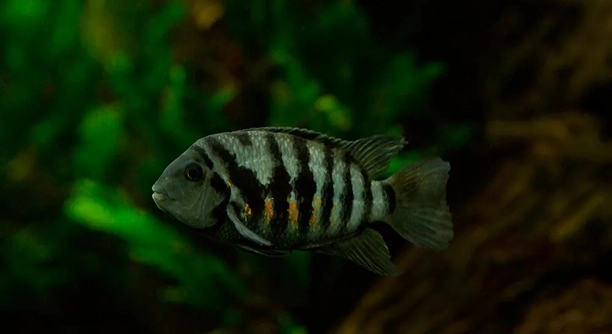
African cichlids are popular aquarium fish known for their vibrant colors and active behavior. Feeding them correctly is important to keep them healthy and thriving. Many fish owners want clear, easy feeding schedules that fit their busy lives.
Effective feeding schedules for African cichlids vary but generally include multiple small meals throughout the day, balanced with periods of fasting. Consistent timing and portion control are crucial to prevent overfeeding and maintain water quality.
Finding the right feeding routine can improve your fish’s growth and well-being while keeping your aquarium clean and balanced.
Twice a Day Feeding Schedule
Feeding African cichlids twice a day is a common and manageable routine. Many hobbyists find it fits well with their daily schedule. The morning and evening meals provide a steady supply of nutrients without overloading the fish. Each feeding should consist of an amount the fish can consume within two to three minutes. This approach prevents leftover food from polluting the tank. It also allows the fish to digest properly between meals. Using high-quality pellets or flakes formulated for cichlids will support their health. Sometimes, supplementing with occasional live or frozen food can improve their diet variety. Observing your fish during feeding times helps adjust portions if needed. This schedule works well for community tanks where cichlids share space with other species. It also keeps maintenance simple and consistent, making it a popular choice for beginners and experienced keepers alike.
Twice daily feeding balances convenience with fish health, reducing waste and promoting natural feeding behaviors.
Regularly feeding twice a day keeps African cichlids active and responsive. It encourages routine without causing stress or digestive problems. This feeding frequency supports stable water conditions since uneaten food is less likely to accumulate. Adjusting portion size is important, especially if your fish are very young or older. Younger cichlids may need smaller, more frequent meals, while adults can thrive with two solid feedings. If you notice signs of overfeeding, like sluggish swimming or cloudy water, cut back on amounts before changing schedules. Feeding twice a day also allows you to monitor your fish’s appetite and health closely. If any changes occur, such as illness or stress, you can quickly modify the feeding approach. Overall, this schedule keeps things simple while meeting the basic dietary needs of African cichlids.
Frequent Small Meals Schedule
Feeding African cichlids smaller amounts multiple times a day mimics their natural grazing behavior. This schedule can involve three to four feedings spaced evenly, allowing fish to eat in smaller portions throughout the day. It helps maintain consistent energy levels and can improve digestion by preventing large food intakes at once. Frequent feedings reduce the risk of leftover food that causes water quality issues. It also allows for better portion control, which is crucial to avoid obesity in captive fish. This routine requires more attention but can be very effective in maintaining fish health and activity, especially in tanks with aggressive or dominant individuals who may monopolize food.
Frequent small meals keep fish active and reduce hunger-related aggression.
With this feeding plan, it is important to use high-quality foods that offer balanced nutrition. Pellets, flakes, and occasional live foods like brine shrimp work well. It is also helpful to observe how your cichlids respond to the feeding frequency and adjust as needed. Some fish may become stressed if fed too often, while others thrive. Keeping track of water parameters regularly is vital, as more feedings can increase waste production. Frequent small meals require patience but reward with vibrant fish and stable tank conditions. This method works well in breeding setups or with younger fish needing steady nutrition. Always monitor for signs of overfeeding and maintain proper tank cleaning routines to keep your aquarium healthy.
Alternate Day Feeding
Feeding African cichlids every other day can help control their intake and reduce waste. This method prevents overfeeding and supports better water quality.
Alternate day feeding encourages natural fasting periods that help fish digest food properly. This approach can be useful when fishkeepers want to reduce maintenance or avoid constant feeding during busy times. Fish often benefit from occasional fasting, which can improve metabolism and reduce the risk of fatty liver disease. However, this schedule is best suited for adult fish in stable tanks. Younger or breeding cichlids may require more frequent meals to meet their energy needs.
It’s important to monitor your fish closely on feeding days. Offer a well-balanced diet and watch for any signs of hunger or stress during fasting days. If fish seem overly aggressive or lose weight, adjust feeding frequency or portion sizes. Alternate day feeding is a practical method to manage diet, but it requires careful observation and consistency to keep your cichlids healthy.
Once a Day Feeding
Feeding African cichlids once daily simplifies care but may not suit all fish. It demands a carefully controlled portion to avoid overfeeding.
This schedule works best for adult cichlids in tanks with stable environments and fewer species. Providing one well-balanced meal daily can maintain health if the food amount matches fish needs. It reduces the risk of overfeeding and keeps the tank cleaner. However, fish may get very hungry before feeding, which can increase aggression during meal times. Observing fish behavior is important to ensure they remain healthy and active.
If you choose once a day feeding, offer high-quality food rich in nutrients to meet their daily needs. You might also consider supplementing occasionally with live or frozen foods to keep their diet varied. Keep tank water parameters stable and watch for signs of malnutrition or stress. While convenient, once daily feeding requires discipline and attention to portion control for best results.
Morning and Evening Feeding
Feeding African cichlids once in the morning and once in the evening fits many daily routines. This schedule helps keep feeding times consistent.
Consistency is key with this routine. Fish learn when to expect food, which can reduce stress and improve appetite. It also spreads their nutrition evenly throughout the day.
Feeding Based on Activity Level
Adjusting feeding times and amounts based on your cichlids’ activity level helps meet their changing needs. Active fish require more food, while less active ones need less to avoid weight gain.
Weekend Feeding Only
Feeding cichlids only on weekends is sometimes used during busy weeks. It’s important to ensure fish remain healthy and hydrated during fasting days.
How often should I feed my African cichlids?
Feeding African cichlids two to three times daily is generally recommended for most healthy adult fish. This frequency helps maintain steady energy levels and supports growth without overfeeding. Younger or breeding fish might need more frequent feedings, while older cichlids can sometimes do well with fewer meals. The key is to offer only what they can eat within a few minutes to avoid leftover food and water quality problems.
Can I feed my cichlids once a day?
Yes, feeding once a day can work if the portion size matches their needs and the diet is well-balanced. However, this schedule is best for adult cichlids in stable tanks. Fish may become very hungry between feedings, which can increase aggression. Careful observation is important to ensure they remain healthy and active under this routine.
What happens if I overfeed my cichlids?
Overfeeding can cause several issues, including poor water quality from uneaten food decomposing in the tank. It can also lead to obesity and digestive problems in your fish. Excess food may cause spikes in ammonia and nitrite, which stress or harm fish. Always feed moderate portions and remove leftovers to keep the tank environment safe.
Is fasting beneficial for African cichlids?
Occasional fasting, like skipping one feeding day, can be beneficial. It helps improve digestion and metabolism while preventing overfeeding. Many fishkeepers include fasting days once a week or use alternate day feeding to support fish health. However, fasting is not recommended for young, sick, or breeding fish.
Should I change feeding amounts as my cichlids grow?
Yes, feeding needs vary with age and activity. Juvenile cichlids require more frequent and slightly larger meals for proper growth. Adult fish need balanced but controlled portions to maintain health. Always adjust amounts based on how quickly your fish finish their food and watch for signs of underfeeding or overfeeding.
What type of food is best for African cichlids?
High-quality pellets or flakes designed for cichlids are a good base. These provide essential nutrients and are easy to manage during feedings. Supplementing with live or frozen foods, like brine shrimp or bloodworms, adds variety and extra protein. Vegetables such as spinach or peas can also be offered occasionally to support digestion.
How do I know if my cichlids are hungry or full?
Active swimming and quick approach to food indicate hunger. If fish ignore food or swim away, they may be full or stressed. Overfeeding often causes sluggish behavior or bloating. Adjust feeding amounts accordingly and keep feeding times consistent to help your fish develop a healthy routine.
Can I feed my cichlids during the weekend only?
Feeding only on weekends is not ideal but sometimes used during very busy weeks. Fish can survive short fasting periods, but regular feedings promote better health and growth. If using this schedule, ensure water conditions remain excellent and monitor fish closely for signs of stress or weight loss.
What is the best way to prevent food waste in the tank?
Feed small amounts that your fish consume within two to three minutes. Remove any uneaten food promptly with a siphon or net. Regularly clean the tank and maintain good filtration. Avoid feeding too often or too much to reduce leftover food and maintain water quality.
Should I feed more during breeding?
Breeding cichlids have higher energy demands and benefit from more frequent feedings and richer food options. Providing high-protein live or frozen foods can support spawning and fry development. After breeding, reduce feeding back to normal levels to avoid health issues.
African cichlids require a well-planned feeding schedule to stay healthy and active. Choosing the right feeding routine depends on your fish’s age, activity level, and the tank environment. Consistency in feeding times and portions helps maintain good water quality and prevents problems like overfeeding or malnutrition. Whether you feed your cichlids once a day, twice a day, or several smaller meals, the most important thing is to watch how your fish respond. Adjusting the schedule as needed will keep your cichlids thriving.
Monitoring your fish regularly is key to understanding their needs. Pay attention to their behavior during feeding times and look for signs of hunger or overeating. Healthy cichlids will eagerly eat their food but won’t leave much behind. Overfeeding can cause poor water conditions and stress for your fish, so feeding the right amount is essential. Using a mix of good-quality pellets, flakes, and occasional live or frozen foods will provide balanced nutrition. This variety helps meet their dietary requirements and keeps feeding time interesting.
Setting up a feeding schedule that works for both you and your fish takes some trial and error. Some fishkeepers prefer simple routines with one or two feedings daily, while others find success with more frequent small meals. If you need to skip a feeding or try fasting days, do so carefully and observe how your cichlids respond. With patience and attention, you can find a feeding schedule that supports your African cichlids’ health, behavior, and overall well-being. Consistent care will ensure they remain colorful and lively in your aquarium for a long time.

Hello,
If you enjoy the content that we create, please consider saying a "Thank You!" by leaving a tip.
Every little bit helps us continue crafting quality advice that supports the health, happiness, and well-being of pets around the world, for pets of all shapes, sizes, and species.
We really appreciate the kindness and support that you show us!