
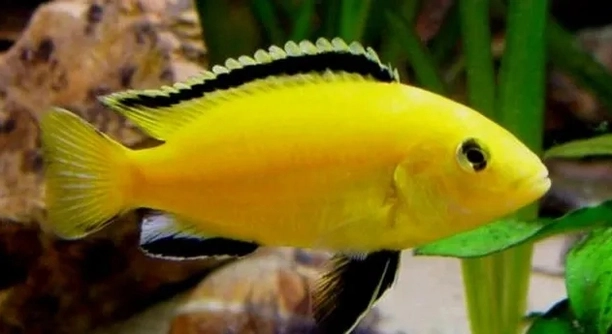
African cichlids are popular fish known for their bright colors and lively behavior. Many fish owners enjoy watching how these fish interact in their tanks. Sometimes, their behavior seems to change over time.
African cichlids can exhibit changes in personality due to factors like environment, social interactions, and age. These changes are gradual and reflect adaptations rather than sudden shifts in behavior. Personality traits in these fish show some flexibility but remain relatively consistent overall.
Learning about what influences these changes can help fish keepers better care for their cichlids. This article will explore the reasons behind personality shifts and what you might observe in your own aquarium.
Factors That Influence Personality Changes in African Cichlids
African cichlids live in complex social groups where their behavior depends a lot on who is around them. Changes in tank size, water conditions, and the presence of other fish can affect how they act. For example, a cichlid may be more aggressive when competing for space or food. Over time, if the environment becomes stable and they form social bonds, they might appear calmer. Age also plays a role. Younger cichlids tend to be more active and bold, while older ones often become less aggressive. Stress is another factor; poor water quality or overcrowding can cause changes in behavior, making the fish shy or defensive. Their personalities are not fixed but adapt to their surroundings. Observing your cichlids closely will help you notice these gradual changes and understand their needs better.
Tank conditions and social settings have a strong effect on a cichlid’s personality over time.
Changes in personality often reflect how well the fish adapts to new situations. For example, adding more hiding spots can reduce stress and make shy fish more confident. Introducing new fish might cause temporary aggression but can lead to stable social groups later. Feeding routines also influence behavior; well-fed fish are usually less aggressive. When caring for African cichlids, it is important to keep their environment consistent and meet their social needs. This stability helps maintain balanced personalities and reduces sudden mood shifts. Patience and attention are key to supporting your fish’s healthy behavior changes.
Recognizing Personality Changes in Your Cichlids
Personality changes in African cichlids can be subtle but noticeable if you watch carefully.
You might see a previously shy fish start exploring more or a dominant fish become less aggressive. These shifts happen slowly and are part of how they adjust to their environment and social group. Sometimes, illness or injury can also change behavior, so it’s important to monitor their health. Personality changes are natural and show that the fish is responding to its surroundings. Understanding these signs helps in providing better care and making adjustments to the tank setup or social group as needed.
How Environment Shapes Behavior
The environment around African cichlids strongly affects how they act. Changes in water quality, tank layout, or lighting can cause shifts in behavior.
A clean and well-maintained tank helps keep cichlids calm and active. When water parameters fluctuate or the tank becomes dirty, fish can become stressed and act differently. The layout also matters. Rocks, plants, and hiding spots give fish areas to explore or retreat to, reducing aggression. Without enough space or cover, cichlids may become more territorial and defensive. Even lighting influences their mood—too bright or too dark can make them less active or more nervous. Maintaining a balanced environment is key to supporting stable personalities in these fish.
Environmental changes can cause both subtle and noticeable personality shifts. Fish tend to adapt, but sudden or extreme changes often increase stress, leading to temporary or lasting behavior changes. This highlights the importance of a stable tank setup.
Social Dynamics and Personality
Cichlids’ personalities are closely linked to their social group. Interactions with other fish shape their behavior and mood.
Dominance hierarchies form in groups, with some fish taking leadership roles while others stay more submissive. These roles influence activity levels and aggression. If a dominant fish is removed, others may change personality to fill the gap, becoming bolder or more territorial. Introducing new fish disrupts social order and can lead to temporary aggression or hiding behaviors until new relationships settle. Observing these changes helps in managing the tank better. Knowing when to intervene or adjust the social mix improves the well-being of all fish and keeps their behavior balanced.
Signs of Stress in African Cichlids
Stress often causes noticeable changes in a cichlid’s personality. Fish may become withdrawn, hide more, or act aggressively.
Other signs include loss of appetite and unusual swimming patterns. Stress affects their overall health and behavior, so recognizing these symptoms early helps prevent long-term problems.
Impact of Age on Personality
As African cichlids grow older, their behavior tends to mellow. Younger fish are usually more energetic and aggressive. Older cichlids often show calmer, less confrontational behavior, spending more time resting or exploring quietly. These natural changes in activity levels and social interactions reflect their stage of life.
Supporting Positive Personality Development
Providing a stable, clean environment with proper social groups helps cichlids develop healthy behaviors. Regular feeding and gentle handling reduce stress. Watching their interactions closely lets you respond to changes early, promoting well-being.
When to Seek Help
If behavior changes are sudden or extreme, illness or injury might be the cause. Consult a vet or experienced aquarist to ensure your fish stays healthy.
FAQ
Can African cichlids really change personalities over time?
Yes, African cichlids can show changes in personality, but these are usually gradual and influenced by their environment, social groups, and age. Their basic temperament remains somewhat consistent, but how they express it can shift depending on conditions in the tank or life stage.
What environmental factors affect cichlid behavior the most?
Water quality, tank size, decorations, and lighting all play key roles. Poor water conditions can cause stress, making fish more withdrawn or aggressive. Lack of hiding spaces increases territorial behavior. Consistent care helps keep behavior stable and predictable.
How do social groups influence cichlid personalities?
Cichlids form social hierarchies, and their behavior changes based on their role in the group. Dominant fish act more boldly and aggressively, while submissive ones tend to be shy or avoid confrontations. Changes in group members can disrupt these dynamics, causing personality shifts.
Why do some cichlids become aggressive suddenly?
Aggression can arise from competition for territory, mates, or food. It may also increase when new fish are introduced or the tank layout changes. Sometimes stress or illness can make fish more irritable. Observing and adjusting their environment helps reduce aggression.
Can aging cause personality changes in cichlids?
Yes, aging often brings a natural mellowing in behavior. Young cichlids are more active and assertive. Older fish usually slow down and become less aggressive, focusing more on resting and less on territory defense or constant movement.
How can I tell if my cichlid is stressed?
Look for hiding more often, loss of appetite, erratic swimming, or increased aggression. Stress weakens their immune system, so it’s important to identify and fix causes quickly. Maintaining clean water and a stable environment reduces stress risks.
What should I do if my cichlid’s behavior changes suddenly?
Check water quality and tank conditions first. Sudden changes could indicate illness or injury, so examine your fish carefully. If problems persist, seek advice from a vet or experienced aquarist to diagnose and treat any health issues.
Is it normal for cichlids to be shy sometimes?
Yes, some cichlids naturally have shy or cautious personalities. Shyness can also result from stress, overcrowding, or bullying by other fish. Providing hiding places and a calm environment encourages shy fish to explore and become more confident over time.
How do feeding routines affect behavior?
Regular feeding keeps cichlids healthy and less stressed. Irregular feeding or poor diet can make them irritable or lethargic. Feeding multiple small meals helps reduce competition and aggression during feeding times.
Can I train or influence my cichlid’s personality?
While you cannot completely change their basic temperament, consistent care, proper tank conditions, and gentle interaction can encourage positive behaviors. Some cichlids learn to recognize their owners and respond calmly, showing personality flexibility within their natural limits.
Are some cichlid species more prone to personality changes than others?
Different species have different temperaments. Some are naturally more aggressive or bold, while others are peaceful. Personality shifts happen in all species but may be more noticeable in highly social or territorial types.
How important is tank size for personality stability?
Tank size matters a lot. Smaller tanks cause stress and increase aggression due to limited space and hiding spots. Larger tanks give cichlids room to establish territories and reduce conflicts, supporting more stable personalities.
What role does tank decoration play in behavior?
Decorations like rocks, plants, and caves offer places to hide, explore, and establish territory. These reduce stress and aggression by giving fish personal space. A well-decorated tank encourages natural behaviors and helps balance personalities.
Can illness affect personality?
Yes, sick fish often behave differently. They might hide, lose appetite, or act sluggish. Illness weakens their immune system and affects mood and activity levels. Early treatment is important to prevent personality changes caused by poor health.
How do I support a shy or stressed cichlid?
Give extra hiding spots and reduce tank disturbances. Keep water clean and stable, avoid overcrowding, and maintain a consistent feeding schedule. Over time, shy or stressed cichlids often become more comfortable and show more natural behavior.
Are personality changes reversible?
Some changes caused by environment or social stress can reverse if conditions improve. For example, a shy fish may become bolder in a better tank. However, changes caused by age or long-term health issues may be permanent.
Is it normal for cichlids to change personality when introduced to a new tank?
Yes, moving to a new tank is stressful and can cause temporary personality shifts. They may hide more or act aggressive until they adjust. Providing a familiar environment and gradual introductions helps them settle more quickly.
How long does it take for personality changes to happen?
Changes usually happen gradually over weeks or months. Sudden shifts may signal stress or illness and should be checked immediately. Regular observation helps track behavior patterns and identify any unusual changes early.
What signs show a cichlid is confident?
A confident cichlid swims actively, explores the tank, and interacts with other fish without hiding. They defend territory calmly and show normal feeding behavior. Confidence is a sign of good health and well-being.
Can cichlids bond with their owners?
Some cichlids recognize and respond to their owners, especially those handled gently and fed regularly. This bond shows as following fingers, coming close, or reacting to feeding times. It reflects their ability to adapt personalities to their environment.
African cichlids are interesting fish with unique personalities that can change over time. These changes are usually slow and happen because of factors like their environment, age, and social surroundings. Watching how they behave can help us understand what they need to feel safe and comfortable. It is important to keep their tank clean and provide enough space, hiding spots, and a stable group of fish. When these needs are met, their behavior tends to be calmer and more balanced. Even though their basic personality does not completely change, how they act day to day can shift as they adjust to their environment.
Stress and illness are important things to watch for because they can cause sudden or strong changes in a cichlid’s personality. A fish that is usually active might become shy or stop eating if it is stressed or sick. On the other hand, a fish might also become more aggressive when it feels threatened. Keeping the water clean, feeding a good diet regularly, and avoiding overcrowding are ways to reduce stress. If behavior changes a lot or quickly, it is a good idea to check the fish’s health and tank conditions. Sometimes, asking a vet or experienced fish keeper for help is necessary. Taking care of these details helps fish stay healthy and happy.
Understanding that cichlid personalities can shift helps fish owners be patient and flexible. These changes do not mean something is wrong all the time; they are often natural responses to their surroundings or life stage. As cichlids grow older, they usually become calmer and less aggressive. Knowing this helps in planning their tank setup and social groups in a way that suits their needs. Paying attention to their behavior and making small adjustments can improve their well-being and make keeping African cichlids more enjoyable. Overall, good care and observation lead to healthier fish and a better aquarium experience.

Hello,
If you enjoy the content that we create, please consider saying a "Thank You!" by leaving a tip.
Every little bit helps us continue crafting quality advice that supports the health, happiness, and well-being of pets around the world, for pets of all shapes, sizes, and species.
We really appreciate the kindness and support that you show us!