
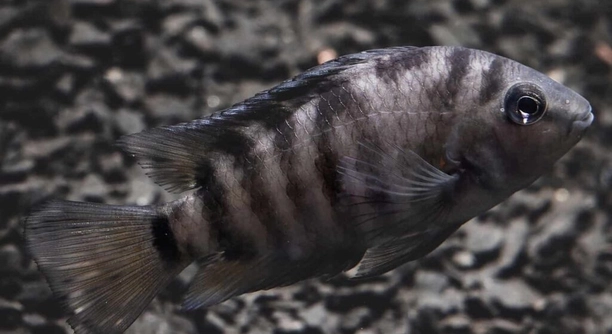
African cichlids are popular aquarium fish known for their vibrant colors and lively behavior. Observing their activity patterns can help enthusiasts create a better environment for these unique creatures. Knowing when they are most active is useful for feeding and care routines.
African cichlids are generally most active during daylight hours, particularly in the morning and late afternoon. Their activity tends to decrease at night when they rest. This behavior aligns with natural light cycles, influencing their feeding and social interactions.
Understanding cichlid activity times can improve your aquarium care and enhance your experience as a fishkeeper. These insights help maintain a healthy and stimulating environment for your aquatic pets.
Understanding African Cichlid Activity Patterns
African cichlids are most active when the light is bright but not too intense. In their natural habitats, these fish experience periods of calm and bursts of movement throughout the day. Morning and late afternoon are prime times for feeding and social interaction. During these times, cichlids explore their environment, establish territories, and engage with other fish. Midday tends to be quieter, as the fish often seek shelter in shaded or rocky areas to avoid the heat and bright light. At night, cichlids rest and reduce activity significantly, conserving energy for the next day. This pattern is natural and important for their health. Providing a lighting schedule that mimics these natural cycles helps maintain their daily rhythms in captivity. It also encourages more natural behavior, which makes observing them more rewarding. Recognizing these activity peaks can help you decide the best times for feeding and tank maintenance.
Maintaining a consistent light cycle supports the cichlids’ active and rest phases. Too much or too little light can disrupt their natural behavior.
Keeping these activity cycles in mind ensures healthier fish and a more balanced aquarium environment. It also reduces stress and aggressive behavior. When the lighting is steady, cichlids settle into predictable routines that benefit their overall well-being.
Impact of Tank Environment on Activity Levels
Tank setup directly influences when and how African cichlids are active. A well-structured aquarium with plenty of hiding spots allows fish to feel secure and express their natural behaviors. Rock formations, caves, and plants provide shelter from bright light and a place to retreat during rest periods. Without enough cover, cichlids may hide excessively or become stressed, leading to reduced activity. The size of the tank also matters. Larger tanks offer more swimming space, encouraging exploration and movement throughout the day. Water quality and temperature influence activity as well; optimal conditions promote energy and health. Stagnant or poor water conditions can cause lethargy. Controlling the environment to match their natural habitat supports healthy activity levels and improves social dynamics within the tank. Thoughtful tank design creates an inviting space where cichlids feel comfortable and thrive.
Feeding Times and Activity
Feeding times strongly affect when African cichlids are most active. They usually become more alert and energetic before and during feeding.
Most cichlids expect food around the same time each day, especially in the morning and late afternoon. Feeding at consistent times helps maintain their natural activity cycles. Overfeeding or irregular feeding can lead to inactivity or stress. Keeping a routine benefits both the fish and the keeper by creating predictable behaviors. Active fish tend to be healthier and show more natural movements, which makes caring for them easier.
The type of food also plays a role. High-quality, varied diets encourage more energy and interaction. Offering food that mimics natural prey can stimulate activity and improve overall well-being. Feeding should match their natural patterns to support their health.
Light Exposure and Behavior
Light exposure impacts African cichlids’ daily behavior and activity levels. Proper lighting encourages normal rhythms and keeps fish active during the day.
Too much light can cause stress, leading to hiding or aggression, while too little light reduces activity. A balanced light cycle, generally 10-12 hours a day, mimics natural conditions and supports regular behavior. Timers can help keep lighting consistent. Dim or indirect lighting during midday can reduce stress and allow fish to rest more comfortably. Adjusting light intensity and duration based on the specific cichlid species ensures the best results for their health and activity.
Social Interaction and Activity
African cichlids are social creatures that often display more activity when interacting with other fish. Their behavior includes chasing, displaying colors, and establishing territories.
Aggression can increase during active periods, especially in crowded tanks. Proper space reduces stress and supports healthier social dynamics.
Temperature Effects on Activity
Water temperature directly influences the metabolism and activity level of African cichlids. Warmer water speeds up their metabolism, making them more active. Cooler water slows them down, causing less movement and feeding. Maintaining a stable temperature within the species’ ideal range is essential to encourage natural behavior and prevent stress.
Rest Periods and Behavior
Rest is important for African cichlids, usually happening at night or during low light. During these times, activity decreases as the fish conserve energy. Ensuring a quiet, dim environment supports proper rest and overall health.
FAQ
What time of day are African cichlids most active?
African cichlids are generally most active during daylight hours, especially in the morning and late afternoon. These times align with natural light patterns, encouraging feeding and social behaviors. Activity decreases significantly at night when they rest.
How does lighting affect African cichlid activity?
Lighting plays a major role in their daily routine. Proper light exposure, usually 10 to 12 hours per day, helps maintain their natural cycles. Too much light can cause stress and hiding, while too little reduces movement and feeding.
Can feeding schedule influence their activity?
Yes, feeding times directly impact activity. Cichlids become more alert before and during feeding. Feeding at consistent times supports their natural behavior and keeps them healthy. Irregular feeding may cause stress and inactivity.
Does water temperature affect activity levels?
Water temperature affects metabolism, which in turn influences activity. Warmer water increases movement and feeding, while cooler water slows them down. Keeping water temperature stable within the species’ ideal range supports normal behavior.
Why do African cichlids become aggressive at certain times?
Aggression often peaks during active periods when fish establish territories or compete for food. Overcrowding or lack of hiding spaces can increase this behavior. Proper tank size and decoration help reduce aggression.
How important is tank environment for their activity?
Tank setup is critical. Providing caves, rocks, and plants offers shelter and reduces stress. A well-structured tank encourages natural behavior, allowing cichlids to explore, rest, and interact comfortably.
What are common signs of inactivity in African cichlids?
Signs include excessive hiding, sluggish swimming, and lack of feeding interest. These may indicate poor water quality, incorrect temperature, or illness. Monitoring water conditions and health regularly is important.
Do different cichlid species have different activity patterns?
Yes, activity varies by species. Some prefer more open swimming, others stay near rocks or plants. Understanding the specific species’ natural habits helps tailor care and tank setup to their needs.
How can I encourage activity in my African cichlids?
Maintain stable water conditions, provide proper lighting, and feed a balanced diet at consistent times. Ensure the tank has enough space and hiding places. Regular tank maintenance also helps keep fish healthy and active.
Is it normal for cichlids to rest during the day?
Some resting during midday, especially in shaded areas, is normal. This mimics their natural habitat where they avoid bright heat. However, they should remain active during morning and late afternoon periods.
African cichlids have distinct activity patterns that reflect their natural environment. They tend to be most active during the daylight hours, especially in the morning and late afternoon. Understanding these patterns helps create a better environment for them in the aquarium. Providing consistent lighting that mimics their natural day and night cycle supports their health and behavior. It also allows the fish to follow their natural rhythm of activity and rest. When the lighting is balanced, the fish will show more natural movements, which makes caring for them easier and more rewarding.
The tank setup is equally important in supporting the cichlids’ activity. Offering plenty of hiding spots and space to swim lets them express their natural behaviors comfortably. Structures like rocks, caves, and plants give them places to rest and feel safe, which reduces stress and aggressive behavior. Keeping water temperature stable and within the recommended range for the species also supports their energy levels. When all these factors come together, the cichlids will be healthier and more active. Their feeding schedule should also be consistent, as irregular feeding can lead to stress and inactivity. Feeding during their active periods, such as the morning and late afternoon, encourages natural behavior.
Maintaining the right environment for African cichlids takes attention to detail but is not difficult. Regular water changes, stable temperature, and proper lighting go a long way in keeping the fish active and healthy. Watching their behavior closely can help detect any issues early, such as signs of illness or stress. When the fish feel secure and well cared for, they will display natural behaviors and interact more. Overall, understanding the factors that affect their activity can improve their well-being and enhance the experience of keeping African cichlids in an aquarium. This makes it easier to enjoy their unique colors and lively personalities.

Hello,
If you enjoy the content that we create, please consider saying a "Thank You!" by leaving a tip.
Every little bit helps us continue crafting quality advice that supports the health, happiness, and well-being of pets around the world, for pets of all shapes, sizes, and species.
We really appreciate the kindness and support that you show us!