
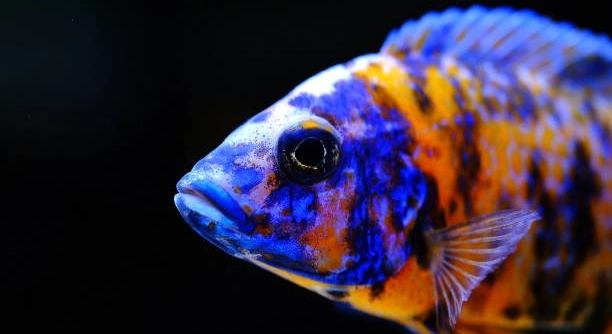
Cichlids are popular fish kept by many hobbyists, admired for their bright colors and interesting behaviors. Watching them during spawning can reveal a lot about how these fish interact and care for their young. Their behavior is unique and worth understanding.
Cichlid behavior during spawning involves complex patterns of courtship, territory defense, and parental care. These fish often form strong pair bonds, guard their eggs and fry diligently, and show aggressive behaviors to protect their breeding sites from intruders.
Knowing these facts can help you better care for cichlids and appreciate their natural instincts during breeding. Understanding their behavior makes the experience more rewarding for both the fish and their keepers.
Courtship Rituals in Cichlids
Cichlids show many interesting behaviors when they prepare to spawn. Males often display bright colors and swim in specific patterns to attract females. This courtship can last several days. Both males and females clean a flat surface, like a rock or leaf, where eggs will be laid. During this time, the fish become more territorial and protective. They chase away other fish that come too close. Watching these actions can give insight into how seriously cichlids take reproduction. The displays are not just for show; they help build the pair bond needed for successful spawning. When the female lays eggs, the male immediately fertilizes them. The pair then work together to guard and care for the eggs and later, the fry. These early behaviors are important to understand because they show how much effort cichlids put into raising their young.
The courtship phase sets the tone for the rest of the breeding period and affects the survival of the offspring.
Many cichlids use both visual and chemical signals to communicate during courtship. This ensures that both fish are ready and healthy before spawning. The effort they put in helps improve the chances that their young will thrive.
Territory Defense and Parental Care
Territory defense becomes a top priority once eggs are laid. Both parents guard the nesting site against intruders, including other fish and potential threats. Aggressive behavior increases during this time, with chasing and biting used to protect the eggs. This strong defense helps keep the eggs and fry safe. Some species even fan the eggs with their fins to provide oxygen and remove debris. After hatching, parents may move their fry to different locations to avoid danger. The care provided by cichlid parents is one reason these fish have high survival rates in the wild. Observing these actions reveals how much dedication goes into raising healthy offspring. Parental care varies among species but is always a key part of the spawning process.
This protective behavior lasts until the fry are strong enough to survive on their own. Parents then gradually reduce their involvement, allowing the young to explore and grow independently.
Egg Laying and Fertilization
Cichlids usually lay eggs on flat, clean surfaces. Females choose the spot carefully, often after cleaning it thoroughly.
The female deposits dozens or even hundreds of eggs, depending on the species. Once laid, the male fertilizes them quickly by releasing sperm over the eggs. This process happens very fast to ensure fertilization success. The eggs stick to the surface, making them easy for parents to guard. Fertilized eggs typically hatch within a few days, but timing varies by species and water temperature.
After fertilization, both parents stay close to the eggs. They continue fanning and cleaning to prevent fungus and keep the eggs healthy until they hatch.
Fry Care and Protection
Cichlid parents protect their young actively. They move the fry to safe spots and stay close to prevent predators.
Once the eggs hatch, the fry are very vulnerable. Parents often gather them into small groups called “crèches,” moving them frequently to avoid threats. Both parents take turns watching over the fry, guiding them to food sources and shelter. This protection lasts until the fry are strong enough to swim and feed independently. The level of care varies, but most cichlid species show strong parental involvement to improve survival chances.
Aggression During Spawning
Aggression increases significantly during spawning. Both parents become highly protective of their territory.
They will chase away other fish and sometimes show threatening displays to defend their eggs and fry. This behavior helps reduce the risk of predators or rival cichlids interfering with the breeding process.
Pair Bonding and Cooperation
Cichlid pairs often work closely together throughout spawning. This cooperation includes sharing duties like guarding, cleaning, and moving the eggs or fry. Both male and female take turns fanning the eggs to provide oxygen and removing debris or fungus. Their teamwork increases the chances that their offspring survive. In some species, the pair remains bonded even after the fry become independent, while in others, the bond ends when the young are on their own. This cooperation is a key part of successful breeding and reflects the importance of teamwork in cichlid behavior.
Environmental Influence on Spawning
Water conditions strongly affect spawning success. Clean, stable water with the right temperature encourages breeding.
FAQ
How long does cichlid spawning usually last?
Spawning can last from a few hours to several days depending on the species and environment. Some cichlids lay eggs and fertilize them quickly, while others spend more time in courtship and guarding their territory. The entire process—from courtship to fry becoming independent—can take weeks.
Do both parents always care for the eggs and fry?
In most cichlid species, both parents share parental duties. They work together to guard the eggs, fan them, and protect the fry. However, in some species, one parent, usually the female, may take on more responsibility. The level of care varies but generally involves active participation from both parents.
What signs show that cichlids are ready to spawn?
Cichlids ready to spawn usually show brighter colors and become more territorial. They may clean a flat surface repeatedly and stay close to it. The male often performs courtship displays such as swimming patterns or fin flaring. These behaviors indicate their readiness to breed.
Can cichlids spawn without a proper territory?
It is unlikely. Most cichlids need a suitable territory with clean, flat surfaces to lay eggs. Without a safe place, they often delay or avoid spawning. Providing hiding spots and clean substrate helps encourage spawning behavior in captive fish.
How should I care for the fry?
Keep the water clean and stable, and feed the fry small, appropriate foods like crushed flakes or baby brine shrimp. Avoid strong water currents and reduce light to lower stress. Parents usually help care for fry, but in some cases, you might need to remove the fry to a separate tank for protection.
Why do cichlids show aggression during spawning?
Aggression protects the eggs and fry from threats. Parents defend their territory to prevent other fish from eating the eggs or disturbing the fry. This behavior is normal and necessary for successful breeding but can cause stress if the tank is too small.
Can cichlids spawn multiple times a year?
Yes, depending on species and conditions, many cichlids can spawn several times a year. Providing a stable environment with good water quality, proper diet, and enough space encourages frequent spawning cycles.
What temperature is best for spawning?
Most cichlids spawn best in water between 75°F and 82°F (24°C to 28°C). Temperature outside this range may delay or prevent spawning. Stable temperature helps eggs develop properly and fry grow strong.
Do cichlids recognize their own fry?
Yes, many cichlid parents can recognize and care for their own fry. They usually guard their young and even carry them in their mouths if threatened. This recognition helps increase survival rates of their offspring.
Is it normal for parents to eat some eggs or fry?
Unfortunately, yes. Sometimes parents eat eggs or weak fry to protect the stronger ones or because of stress. This behavior can be reduced by ensuring good water quality and minimizing disturbances during spawning.
Cichlid spawning is a fascinating process that shows how much effort these fish put into raising their young. From courtship to caring for fry, cichlids display behaviors that help protect and support their offspring. Watching these behaviors can deepen your understanding of how these fish live and survive in their natural habitats. It also helps aquarists create better environments that meet the needs of breeding cichlids. Knowing what to expect during spawning can make caring for these fish easier and more rewarding.
The way cichlids guard their eggs and fry demonstrates strong parental instincts. Both parents often work together to protect their territory and keep their young safe from harm. Aggression during this time may seem intense, but it is a natural and necessary part of their breeding behavior. Understanding this helps reduce frustration when observing cichlids acting territorial or defensive. Providing enough space and hiding spots in the tank can help lessen stress for all fish involved. It also gives parents the chance to raise their fry in a more comfortable and secure setting.
Creating the right environment is key to encouraging successful spawning. Clean water, stable temperatures, and proper food all play important roles. The more you learn about cichlid behavior during spawning, the better you can support their health and breeding needs. Patience is important since breeding takes time and care. When conditions are right, cichlids can reproduce multiple times, showing their resilience. Paying attention to their natural habits allows you to enjoy a closer connection with these remarkable fish and increases your chances of raising healthy fry.

Hello,
If you enjoy the content that we create, please consider saying a "Thank You!" by leaving a tip.
Every little bit helps us continue crafting quality advice that supports the health, happiness, and well-being of pets around the world, for pets of all shapes, sizes, and species.
We really appreciate the kindness and support that you show us!