
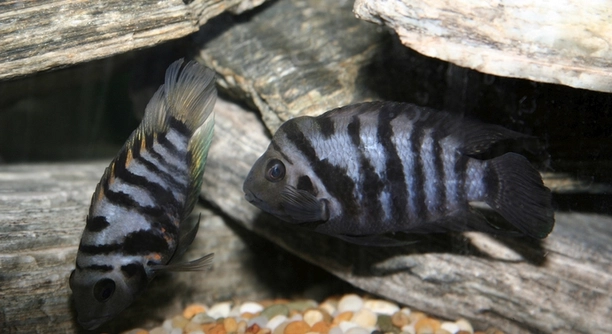
Many fishkeepers enjoy keeping cichlids because of their vibrant colors and lively behavior. Tank design can influence how these fish interact with their environment. Understanding this connection can improve the care and enjoyment of cichlids in home aquariums.
Tank design can affect cichlid behavior by providing appropriate territories, hiding spots, and visual barriers. These elements help reduce aggression and stress, encouraging natural behaviors and social structures. Proper design supports healthier, more balanced fish interactions in captive environments.
Exploring how tank layout impacts cichlid actions will help you create a better space for these fascinating fish. This knowledge can improve both their well-being and your aquarium experience.
How Tank Layout Influences Cichlid Behavior
The way you arrange the tank plays a key role in shaping cichlid behavior. Cichlids are territorial fish, so they need clear boundaries to feel secure. Rocks, caves, and plants create hiding places and break lines of sight, which helps reduce aggression. Without these breaks, dominant fish may constantly chase others, causing stress and injury. Providing multiple territories encourages natural competition but prevents one fish from controlling the entire tank. Open swimming areas allow active movement and display of natural behaviors. The substrate type can also impact digging and breeding habits. Overall, a well-planned layout balances territorial needs and open space, promoting a calmer, healthier environment. Thoughtful decoration and structure in the tank support the social hierarchy and reduce conflicts among cichlids, allowing them to exhibit behaviors closer to those seen in the wild.
Creating this balance can make daily observation more enjoyable and lessen aggressive encounters between your fish.
A successful tank design pays attention to both physical structure and social dynamics, creating a more natural setting for cichlids to thrive. This careful arrangement can improve their overall behavior and well-being.
Importance of Visual Barriers
Visual barriers help manage aggression by limiting direct line of sight among cichlids.
Visual separation is vital for reducing stress in territorial species like cichlids. These barriers can be rocks, plants, or decorations that block sightlines and provide refuge. Without visual breaks, dominant fish may constantly harass others, increasing injury risk and affecting feeding. Barriers give less dominant fish a chance to retreat and avoid constant confrontation. This leads to a more stable social structure and less aggression overall.
In addition to reducing fights, visual barriers encourage natural behavior like exploring and defending territories. By breaking up the tank visually, you create multiple smaller “zones” that mimic their natural habitat. This division supports coexistence and decreases stress levels. It also makes it easier for you to maintain a peaceful tank environment. Choosing the right materials and placement is essential to maximize these benefits. Incorporating these elements into your tank design can significantly improve the harmony and health of your cichlid community.
Choosing the Right Decorations
Decorations offer hiding spots and help create territories for cichlids. Using sturdy rocks and durable plants ensures safety and longevity. Avoid sharp or unstable items that might injure your fish.
Hardscape materials like rocks and driftwood shape the tank’s environment. They provide places for fish to claim as territory and escape from aggression. Live plants add natural cover but must be chosen carefully, as some cichlids dig or uproot them. Arrange decorations to create a mix of open swimming space and secluded areas. This balance helps reduce stress and encourages natural behaviors. Changing the layout occasionally can keep fish stimulated and prevent boredom.
Selecting decorations that suit your specific cichlid species is important. Some fish prefer rocky environments, while others like dense plants. Matching the setup to their natural preferences promotes healthier, calmer fish. Always ensure decorations are aquarium-safe and easy to clean to maintain water quality and fish health.
Impact of Tank Size on Behavior
Tank size strongly influences how cichlids behave and interact. Larger tanks offer more space to reduce aggression.
A bigger tank allows fish to establish separate territories without constant conflict. More space means less crowding, which lowers stress levels and improves overall health. Small tanks often cause heightened aggression because fish compete for limited territory. Proper stocking levels are essential—overcrowding can lead to fights, poor water quality, and disease. The tank’s height, length, and width all matter, depending on the species’ natural behavior and swimming patterns. Adjusting tank size to match the needs of your cichlids will help them display more natural, less aggressive behaviors.
Inadequate space can cause frustration and stress in cichlids, leading to health problems. Ensuring your aquarium is large enough supports a stable social environment. This results in a more peaceful tank and happier fish that thrive in their home.
Lighting and Its Effect on Behavior
Lighting influences cichlid activity and mood. Bright light may increase stress, while dimmer lighting can promote calmness and natural behavior.
Adjust lighting to mimic the fish’s natural habitat. Using a timer ensures a consistent day-night cycle, which helps regulate their behavior and reduces aggression.
Substrate Choices Matter
Substrate type impacts digging, breeding, and territorial behaviors. Sand and fine gravel are popular because they allow natural digging and easy cleaning.
Different cichlid species prefer different substrates. Some like soft sand to dig nests, while others do well with rocky bottoms. Choosing the right substrate supports their natural habits and overall tank health.
Water Flow and Behavior
Water flow affects how cichlids swim and interact. Moderate flow is usually best, avoiding strong currents that can stress fish.
Temperature Control
Maintaining a stable temperature within the recommended range is critical for cichlid health and behavior. Fluctuations can cause stress and aggression.
FAQ
Can changing the tank design really reduce aggression in cichlids?
Yes, adjusting the tank design can significantly reduce aggression. By adding visual barriers like rocks and plants, you limit direct line of sight between territorial fish, which lowers stress and fighting. Creating multiple hiding spots and clear territories helps balance social interactions and prevents one fish from dominating the entire tank.
How often should I rearrange decorations to affect behavior?
Rearranging decorations occasionally, about every few months, can help keep your cichlids stimulated. However, frequent or drastic changes may increase stress because fish rely on familiar territory. Small adjustments or adding new hiding spots can encourage exploration without disrupting established social structures.
Do all cichlid species react the same to tank design changes?
No, behavior varies by species. Some cichlids prefer rocky habitats with many caves, while others thrive in planted tanks or open spaces. Knowing your species’ natural environment helps tailor the tank design to their preferences, encouraging natural behavior and reducing stress.
Is tank size more important than decoration for managing aggression?
Tank size and decoration both play important roles. A larger tank offers space for multiple territories, reducing direct conflicts. Decorations provide boundaries and hiding places within that space. Together, they create a balanced environment that supports peaceful interactions and natural behavior.
Can lighting changes affect cichlid mood or health?
Lighting affects cichlid activity and stress levels. Too much bright light can cause agitation or hiding. Using moderate, consistent lighting that mimics natural day-night cycles helps regulate behavior. A timer is useful for maintaining stability and reducing stress.
How does substrate choice impact breeding behavior?
Substrate affects how cichlids dig and prepare breeding sites. Many species prefer sand or fine gravel to dig nests or lay eggs. Hard or sharp substrate can harm eggs or fry. Matching substrate type to the species supports successful breeding and natural habits.
Should water flow be strong or gentle for cichlids?
Moderate water flow is best. Strong currents can stress cichlids and reduce their activity. Gentle flow mimics natural conditions and helps maintain water quality without causing discomfort. Proper filtration and flow balance support healthy behavior.
What temperature range is ideal for most cichlids?
Most tropical cichlids do well between 75°F and 82°F (24°C to 28°C). Keeping the temperature stable within this range prevents stress and aggressive behavior. Sudden changes can upset their immune system and social balance.
Can tank design changes alone solve behavioral problems?
Tank design helps but is not the only factor. Proper diet, water quality, and compatible tank mates are equally important. A good design supports healthier behavior but must be combined with overall good care for best results.
How can I tell if my cichlids are stressed by the tank environment?
Signs of stress include constant hiding, aggressive chasing, loss of appetite, or color fading. If these behaviors appear, review your tank setup, including space, hiding spots, water conditions, and lighting. Adjusting these elements can improve their well-being and behavior.
Is it necessary to use live plants in a cichlid tank?
Live plants provide natural cover and improve water quality but are not always essential. Some cichlids may uproot or damage plants. Using hardy species or artificial plants can offer similar benefits without risking destruction.
How do visual barriers affect feeding behavior?
Visual barriers reduce stress during feeding by allowing shy or less dominant fish to eat without being chased. This helps all fish get enough food and prevents aggression around feeding times.
Can rearranging the tank upset established social hierarchies?
Yes, major changes can disrupt hierarchies and cause temporary aggression as fish re-establish territories. Minor adjustments usually don’t cause issues, but it’s best to observe fish closely after rearranging to manage any conflicts promptly.
What materials are safe to use for tank decorations?
Use aquarium-safe materials like natural rocks, driftwood, and ceramic caves. Avoid sharp or painted items that can leach harmful substances. All decorations should be cleaned and free from toxins to protect fish health.
How do hiding spots improve cichlid well-being?
Hiding spots give fish a place to retreat and feel secure. This reduces stress and aggression, especially for shy or subordinate individuals. Well-placed shelters encourage natural behavior and improve overall tank harmony.
Final Thoughts
Tank design plays a crucial role in shaping cichlid behavior. By creating a well-structured environment with adequate hiding spots, visual barriers, and enough space, you can help reduce aggression and stress among your fish. Cichlids are territorial by nature, and a thoughtfully arranged tank helps them establish clear boundaries, which supports more natural and balanced interactions. Proper decoration and layout can make a noticeable difference in how peaceful and healthy your fish appear.
It is important to remember that tank design alone cannot solve all behavior issues. Good water quality, appropriate tank mates, and proper feeding are essential to maintain a healthy aquarium. Additionally, knowing the specific needs and natural habitat preferences of your cichlid species will help you create a setup that best suits them. Some species require rocky caves and hiding spots, while others prefer open swimming areas or dense plants. Tailoring your tank environment to these needs supports their natural behavior and well-being.
Changing the tank design should be done carefully to avoid causing stress. Small adjustments can stimulate the fish and improve their environment, but major rearrangements may disrupt social hierarchies and trigger temporary aggression. Observing your cichlids closely after making changes will help you manage any issues quickly. Overall, investing time in designing and maintaining the right tank environment benefits both the fish and the aquarium keeper, creating a more enjoyable and successful fishkeeping experience.

Hello,
If you enjoy the content that we create, please consider saying a "Thank You!" by leaving a tip.
Every little bit helps us continue crafting quality advice that supports the health, happiness, and well-being of pets around the world, for pets of all shapes, sizes, and species.
We really appreciate the kindness and support that you show us!