
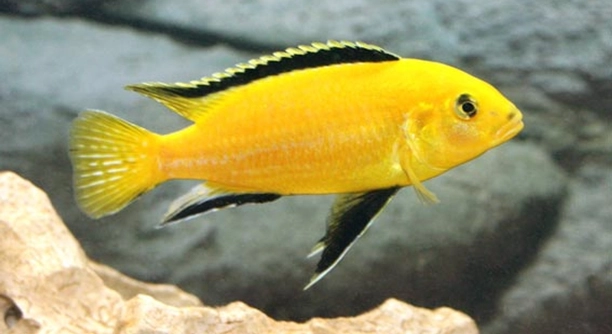
African cichlids are popular aquarium fish known for their vibrant colors and active behavior. Many hobbyists enjoy keeping them in tanks that resemble their natural habitats. One common concern is whether these fish can thrive without live plants in their environment.
African cichlids can live without plants, but their well-being depends on other factors such as tank setup, water quality, and hiding spots. While plants add natural benefits, these fish often adapt to planted or bare tanks if other conditions are suitable.
Understanding how African cichlids manage without plants helps you create a healthy environment tailored to their needs and behaviors. This article explores what you should consider for their care without live plants.
Why African Cichlids Usually Benefit from Plants
Live plants provide several advantages for African cichlids. They offer shelter and hiding spots, reducing stress and aggression among the fish. Plants also help maintain water quality by absorbing nitrates and producing oxygen. In tanks without plants, it is important to provide alternative hiding places using rocks or decorations. Without these, cichlids may become territorial or stressed, affecting their health. Although some cichlids may nibble on plants, many species do not heavily damage them. Live plants create a more natural environment that encourages natural behavior, which is beneficial for their overall well-being.
Many aquarists replace plants with artificial decorations for ease of maintenance, but live plants have unique benefits beyond aesthetics.
Proper care includes monitoring water parameters regularly and ensuring the tank has adequate filtration and hiding spots, which helps compensate for the absence of plants and supports the fish’s health.
Alternatives to Live Plants in African Cichlid Tanks
Using rocks, caves, or driftwood can provide the shelter African cichlids need. These decorations create territories and safe spaces for the fish to retreat to, which lowers stress and aggression.
Artificial plants can also be used for decoration and some cover, but they do not improve water quality or oxygen levels.
When live plants are not an option, maintaining high water quality and stable tank conditions becomes more critical. Regular water changes and proper filtration are necessary to control nitrate levels that plants would typically reduce. Keeping an eye on fish behavior can help detect stress early, allowing adjustments to the environment as needed. Balancing these factors supports healthy, active cichlids in a planted or plant-free tank.
Common Challenges Without Plants
Lack of plants can lead to higher nitrate levels and less natural shelter for African cichlids. This may increase stress and aggression, impacting fish health.
Managing water quality becomes more demanding without plants. Regular water changes and strong filtration systems are necessary to keep nitrate and ammonia levels low. Without plants absorbing waste, buildup happens faster. Providing plenty of hiding spots with rocks or decorations helps reduce aggression and stress among territorial fish. Observing fish behavior closely is important to catch signs of distress early, allowing for timely tank adjustments.
Lighting and temperature control also play a role. Without plants to moderate the environment, stable conditions become even more crucial. Overexposure to bright light or sudden temperature shifts can increase fish stress, so consistent care is essential to maintain a balanced tank without plants.
Choosing Suitable African Cichlid Species
Some African cichlids tolerate bare tanks better than others. Species from rocky lake environments, like Mbuna cichlids, are used to limited vegetation and thrive with plenty of rocks and caves instead.
These fish rely more on territorial spaces than plants for comfort and are less likely to suffer stress in plant-free tanks. Other species that inhabit more planted areas may struggle without natural cover. Researching specific species needs before setting up the tank ensures better care and a healthier environment. Matching the tank design to the natural habitat of the cichlid species helps maintain their well-being and natural behavior, even without live plants present.
Tank Setup Tips Without Plants
Provide plenty of rocks, caves, and hiding places for African cichlids. This helps reduce aggression and gives them safe spots to retreat.
Use smooth decorations to avoid injury. Proper tank size and good filtration are also essential for their health in plant-free environments.
Maintaining Water Quality
Without plants, regular water changes are vital to keep nitrate levels low. Strong filtration helps manage waste and keeps the water clean. Testing water parameters often ensures a safe environment for your fish.
Feeding Considerations
African cichlids’ diet does not depend on plants in the tank. Provide a balanced diet of high-quality pellets, flakes, and occasional live or frozen foods to meet their nutritional needs.
Monitoring Fish Behavior
Watch for signs of stress or aggression. Changes in behavior often indicate the need for adjustments in the tank setup or water conditions. Early detection helps maintain healthy fish.
FAQ
Can African cichlids live happily without plants?
Yes, African cichlids can live without plants if their tank environment is well maintained. They need adequate hiding spaces, stable water conditions, and proper nutrition. While plants offer natural benefits, their absence can be balanced with good tank setup and care.
How do I replace plants for hiding spots?
Use rocks, caves, and aquarium-safe decorations to create territories and hiding places. These structures reduce stress and aggression, especially for territorial species. Make sure decorations have no sharp edges to prevent injuries.
Will a tank without plants require more frequent cleaning?
Typically, yes. Plants help absorb nitrates and other waste products. Without them, waste can build up faster, so regular water changes and strong filtration are important to maintain water quality.
Are artificial plants a good alternative?
Artificial plants can provide visual cover and some hiding places, but they do not help with water quality. They are easier to maintain but lack the benefits of live plants, such as nitrate absorption and oxygen production.
What are the risks of keeping African cichlids without plants?
Without plants, stress levels may rise if hiding spots are limited. Poor water quality can develop more quickly without plants to absorb waste. Stress can lead to weakened immune systems and increased disease risk, so tank care must be consistent.
Do all African cichlid species do well without plants?
No, species that come from rocky habitats usually adapt better to plant-free tanks. Species naturally living among plants might need live plants for comfort and better health. Knowing the natural environment of your species is crucial.
How often should I test the water in a plant-free tank?
Test water at least once a week to monitor ammonia, nitrite, and nitrate levels. Without plants, waste can accumulate quickly, so monitoring helps prevent toxic conditions.
Can African cichlids eat live plants?
Some species may nibble on plants, but most African cichlids are not heavy plant eaters. However, if plants are introduced, choose hardy species that can withstand occasional nibbling.
What type of filtration is best for a tank without plants?
Strong mechanical and biological filtration is recommended. Filters that provide good water circulation and efficient waste removal help maintain water quality in the absence of plants.
How do I manage algae growth without plants?
Without live plants competing for nutrients, algae may grow more easily. Regular water changes, controlling light exposure, and not overfeeding help manage algae levels.
Is it necessary to add oxygenation devices without plants?
Adding an air stone or powerhead can improve oxygen levels, especially since plants usually produce oxygen. This helps maintain a healthy environment, particularly in densely stocked tanks.
Can African cichlids survive in a bare-bottom tank?
Yes, many cichlids can thrive in bare-bottom tanks if other needs are met. These setups simplify cleaning but require good filtration and hiding spots to reduce stress.
How do I introduce African cichlids to a plant-free tank?
Acclimate them slowly to the new environment, ensuring water parameters match their previous tank. Provide plenty of hiding places from the start to help reduce stress.
What signs show my cichlids are stressed without plants?
Look for hiding excessively, aggression, loss of appetite, or color fading. These signs indicate they may need more shelter or better water conditions.
Are there any benefits to keeping African cichlids without plants?
Without plants, tanks are easier to maintain in terms of trimming and pest control. It also allows more flexibility in aquascaping with rocks and caves that mimic natural rocky habitats.
How important is lighting in a plant-free African cichlid tank?
Moderate lighting is best. Bright light can stress fish if no plants or shaded areas exist. A regular day-night cycle supports natural behavior and health.
Can I mix African cichlids with other fish in a plant-free tank?
It depends on the species and tank size. African cichlids are territorial and aggressive, so compatible tank mates must be chosen carefully, and enough hiding spaces must be provided.
What is the best substrate for a plant-free African cichlid tank?
Sand or fine gravel is recommended. These substrates resemble their natural environment and are easy to clean. Avoid sharp or large gravel that could injure the fish.
Does feeding change if there are no plants in the tank?
No, feeding should focus on a balanced diet suitable for cichlids. Plants in the tank do not replace proper nutrition. Include pellets, flakes, and occasional live or frozen foods.
Can African cichlids reproduce in a plant-free tank?
Yes, reproduction can occur without plants, especially if the tank has proper hiding spots and water conditions. Some species use rocks or caves for breeding sites instead of plants.
How do I handle aggression without plants in the tank?
Providing enough hiding places and space helps reduce aggression. Keeping a proper fish-to-tank ratio and selecting compatible species also plays a role in minimizing fights.
Should I worry about water hardness without plants?
Water hardness affects cichlid health regardless of plants. Maintaining species-specific water hardness and pH is essential for their well-being, with or without plants.
How often should I feed African cichlids in a plant-free tank?
Feed small amounts once or twice daily. Avoid overfeeding, as leftover food can worsen water quality, especially when plants are absent to help absorb waste.
What is the main maintenance difference between planted and plant-free African cichlid tanks?
Plant-free tanks require more frequent water changes and close monitoring of water parameters. Without plants to balance the ecosystem, tank conditions can change faster, demanding extra care.
Can I add live plants later if I start without them?
Yes, but introduce plants carefully. Some African cichlids may uproot or eat plants, so choose hardy species and monitor fish behavior after adding plants.
What are hardy plants suitable for African cichlid tanks?
Anubias, Java fern, and Vallisneria are examples. These plants tolerate cichlid nibbling and strong water conditions, making them easier to keep in mixed or semi-planted tanks.
African cichlids are adaptable fish that can live successfully without live plants in their tanks. While plants offer many benefits like hiding places and water quality improvement, they are not absolutely necessary for these fish to thrive. The key to keeping African cichlids healthy in a plant-free tank lies in providing a well-maintained environment. This includes stable water conditions, good filtration, and plenty of decorations such as rocks and caves that offer shelter and reduce stress. Understanding the natural behavior and needs of your specific cichlid species will help you create the best setup for them without relying on live plants.
Maintaining water quality is especially important when there are no plants to help absorb waste. Regular water changes, testing for ammonia, nitrite, and nitrate levels, and ensuring effective filtration are essential to prevent harmful buildup in the tank. African cichlids tend to be territorial, so providing enough hiding spots and space will help lower aggression and keep the fish calm. Artificial plants or decorations can add some visual interest and cover, but they do not replace the natural benefits live plants offer. Still, many aquarists find that a bare or rocky setup better reflects the natural habitat of certain African cichlid species, making these tanks both practical and aesthetically pleasing.
Deciding whether to keep African cichlids with or without plants depends on your preferences and how much time you want to spend on tank maintenance. Plants can require extra care like trimming and monitoring for algae, while plant-free tanks usually need more frequent water changes and careful observation of water parameters. Either way, with proper attention to water quality, tank layout, and diet, African cichlids can live healthy, active lives without live plants. Keeping their needs in mind will ensure that your aquarium remains a balanced and enjoyable environment for these vibrant fish.

Hello,
If you enjoy the content that we create, please consider saying a "Thank You!" by leaving a tip.
Every little bit helps us continue crafting quality advice that supports the health, happiness, and well-being of pets around the world, for pets of all shapes, sizes, and species.
We really appreciate the kindness and support that you show us!