
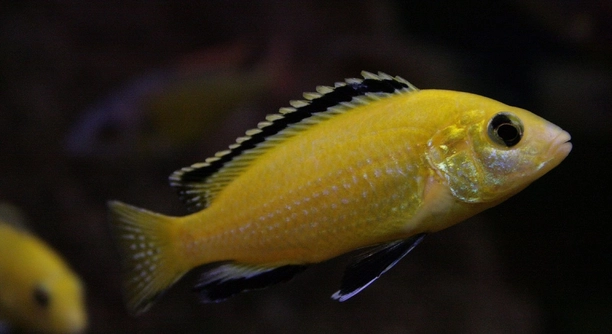
African cichlids are popular freshwater fish known for their vibrant colors and active swimming behavior. Sometimes, these fish may suddenly stop swimming or become less active, which can worry their owners. Understanding why this happens is important for keeping them healthy and happy.
African cichlids may stop swimming due to a variety of reasons including poor water quality, stress, illness, lack of oxygen, improper diet, injuries, or unsuitable tank conditions. Identifying and addressing these factors promptly is crucial for their well-being.
Recognizing these causes will help you provide better care and support for your fish. Keeping track of their environment and habits can prevent future problems.
Poor Water Quality
Poor water quality is one of the main reasons African cichlids stop swimming. If the water in the tank is dirty, has high ammonia or nitrate levels, or an incorrect pH balance, fish can become stressed or sick. These conditions make it hard for them to breathe and stay active. It’s important to test the water regularly and perform partial water changes to keep it clean. Avoid overfeeding, as leftover food can decay and harm water quality. A clean environment supports the health and energy levels of your cichlids. If water quality issues are ignored, fish may stop swimming altogether or even die. Simple maintenance like filtering and monitoring can make a big difference.
Testing the water with a reliable kit helps catch problems early. Changing 20-30% of the water weekly keeps the environment stable and safe for your fish.
Keeping your tank clean creates a healthy home for your cichlids. Regular water checks and changes reduce stress and improve their activity levels, making swimming more natural and comfortable for them.
Stress and Tank Environment
Stress causes fish to stop swimming or hide. Changes like moving the tank, adding new fish, or loud noises can upset cichlids.
Stress affects fish behavior and immune systems. Crowded tanks or poor hiding spots increase anxiety. Providing plants or caves offers shelter and reduces stress. Stable water conditions and gentle lighting also help create a calm space. Avoid sudden changes to tank setup and feed a balanced diet to support their health. Reducing stress helps fish regain normal swimming patterns and improves their overall wellbeing.
Illness and Disease
Illness can make African cichlids stop swimming. Common diseases like ich, fin rot, or bacterial infections affect their energy and movement.
Symptoms may include spots, torn fins, or swelling. Treating illness early with proper medication improves recovery chances. Quarantine new fish before adding them to the tank to prevent spreading disease. Keep tanks clean to reduce infection risks. Healthy fish swim actively, so watching for changes helps catch illness before it worsens.
A balanced diet supports the immune system, helping fish fight off diseases. If a fish is inactive, examine it closely for signs of illness and consult with a vet or aquarium expert to get the right treatment.
Lack of Oxygen
Low oxygen levels in the tank can cause cichlids to stop swimming or gasp near the surface.
Poor aeration, overstocking, and high water temperatures reduce oxygen availability. Use air stones, filters, or pumps to increase oxygen in the water. Plants can help oxygenate the tank during the day but consume oxygen at night, so balance is key. Monitor oxygen levels, especially in warm weather or crowded tanks, to ensure fish can breathe properly and stay active.
Proper tank setup with enough water movement and space keeps oxygen levels stable. Avoid overcrowding, and maintain a healthy environment to prevent oxygen deprivation. This care allows cichlids to swim freely without struggling for air.
Improper Diet
An improper diet can cause African cichlids to lose energy and stop swimming. Feeding the wrong food or overfeeding may lead to poor health.
Balanced nutrition is essential. Provide high-quality flakes, pellets, and occasional live or frozen food to meet their dietary needs and keep them active.
Injury or Physical Damage
Injuries from sharp decorations, fights, or rough handling can limit a fish’s movement. Injured cichlids may hide and swim less until they heal.
Keeping the tank safe and monitoring interactions between fish can prevent injuries. Treat wounds promptly to support recovery and restore activity.
Unsuitable Tank Conditions
Tank size, temperature, and lighting affect cichlids’ behavior. Too small tanks or incorrect temperature can cause stress and inactivity.
Providing enough space and stable conditions helps fish swim comfortably and stay healthy.
FAQ
Why is my African cichlid floating but not swimming?
Floating without swimming often means the fish has a swim bladder problem. This organ helps control buoyancy, and issues can come from infection, injury, or constipation. Adjusting diet by feeding peas or fasting for a day or two may help. If the problem continues, consider water quality or illness as causes.
How can I improve water quality for my cichlids?
Regular water changes and good filtration are key. Test for ammonia, nitrites, and nitrates weekly. Changing 20-30% of the water helps keep toxins low. Avoid overfeeding because leftover food causes waste buildup. Using a reliable water test kit and maintaining a clean tank environment supports healthy fish.
What should I feed African cichlids?
They need a balanced diet with pellets or flakes designed for cichlids. Include occasional live or frozen foods like brine shrimp or bloodworms for protein. Avoid feeding only plant-based or only meat-based food. A varied diet supports their health and activity.
How can I reduce stress in my cichlid tank?
Avoid overcrowding and aggressive tank mates. Provide hiding places like rocks and plants. Keep lighting steady and avoid loud noises near the tank. Stable water conditions also help reduce stress. Less stress means healthier and more active fish.
What signs show my cichlid is sick?
Look for changes like clamped fins, spots, redness, loss of appetite, or hiding. Slow movement or floating issues are also signs. Early detection makes treatment easier. Keep a close eye on behavior and appearance daily.
Can poor tank temperature cause swimming problems?
Yes. African cichlids thrive between 75°F and 82°F (24°C-28°C). Too cold or too hot water slows metabolism and movement. Use a heater and thermometer to keep temperature stable for better fish health and activity.
How often should I clean my cichlid tank?
Perform partial water changes weekly, cleaning 20-30% of the water. Remove debris and excess food from the substrate. Clean the filter monthly, but avoid washing it with tap water to preserve beneficial bacteria. Regular maintenance prevents water quality issues that affect swimming.
What do I do if my cichlid is injured?
Isolate the injured fish in a quarantine tank if possible. Treat wounds with aquarium-safe antibacterial medications. Keep water clean and monitor closely. Injuries from fights or sharp objects heal better with proper care and reduced stress.
Why does my cichlid hide and stop swimming?
Hiding is a common stress response or sign of illness. It may also be due to bullying from other fish or poor tank setup. Providing enough space and hiding spots reduces hiding behavior and encourages normal swimming.
Is overstocking harmful to African cichlids?
Yes, too many fish in one tank causes stress, poor water quality, and oxygen shortage. Overstocked tanks lead to less swimming and increased disease risk. Maintain a proper fish-to-tank size ratio to keep them active and healthy.
African cichlids are lively and colorful fish that bring a lot of life to any aquarium. When they stop swimming or become less active, it is often a sign that something is wrong. There are many reasons why this can happen, including water quality, stress, illness, and tank conditions. Understanding these reasons helps owners take better care of their fish. Paying attention to the environment and the fish’s behavior can prevent many problems before they become serious.
Keeping the tank clean is one of the best ways to support healthy swimming. Regular water testing and changing help maintain good water quality. It is also important to feed the fish a balanced diet that meets their needs. Stress from overcrowding, poor tank setup, or sudden changes can make cichlids less active. Creating a stable and safe environment with proper hiding places and gentle lighting reduces stress and encourages natural behavior. If a fish shows signs of illness or injury, quick action with treatment or quarantine can improve recovery.
Caring for African cichlids requires attention and patience. By regularly checking water parameters, feeding properly, and providing a comfortable tank, owners help their fish stay active and healthy. Swimming is a good sign of well-being, so noticing when behavior changes is important. Small efforts in tank maintenance and monitoring can go a long way in keeping cichlids happy. Taking these steps ensures a better life for your fish and a more enjoyable experience as an aquarium owner.

Hello,
If you enjoy the content that we create, please consider saying a "Thank You!" by leaving a tip.
Every little bit helps us continue crafting quality advice that supports the health, happiness, and well-being of pets around the world, for pets of all shapes, sizes, and species.
We really appreciate the kindness and support that you show us!