
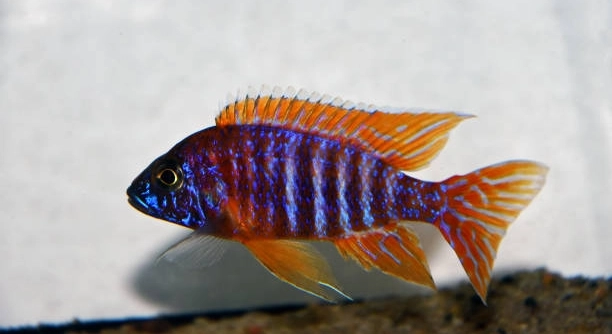
African cichlids are known for their vibrant colors and fascinating behaviors. Watching them can reveal many interesting habits that highlight their unique nature. These fish have distinct ways of interacting with their environment and each other.
African cichlids display a variety of behaviors including territorial defense, courtship displays, and social hierarchy establishment. These behaviors are essential for their survival, reproduction, and communication within their groups in the wild and captivity.
Observing these behaviors can enhance understanding and appreciation of these lively fish. It also helps in providing better care and creating a more natural environment for them to thrive.
Territorial Behavior in African Cichlids
African cichlids are highly territorial fish. Males often claim specific areas within the tank or natural habitat and defend them aggressively against intruders. This behavior helps them secure resources such as food, shelter, and breeding sites. Territorial displays can include flaring fins, changing colors, and chasing other fish away. Females may also defend smaller territories, especially when guarding eggs or fry. Understanding territorial behavior is important for aquarium care. Overcrowding or improper tank setup can increase stress and aggression among cichlids. Providing enough space and hiding spots reduces conflicts. This behavior is natural and essential for maintaining social order within groups. Territorial disputes often escalate but rarely cause serious injury when the environment supports their needs. Observing how a cichlid marks and defends its territory gives insight into its health and well-being. It also helps in planning tank layouts to minimize fights and promote peaceful coexistence.
Territorial behavior is a key factor in cichlid interactions. It shapes social structure and impacts tank harmony.
Tank design and population management are critical for balancing territorial needs. Proper space reduces aggression and stress, promoting healthier fish.
Courtship and Mating Rituals
Courtship among African cichlids is often elaborate and visually striking. Males display bright colors and perform specific movements to attract females. These rituals may involve fin spreading, body shaking, and substrate cleaning. Females respond by choosing mates based on these displays. Once a pair forms, they engage in spawning behaviors such as mouthbrooding or laying eggs on surfaces. Mouthbrooding species carry eggs and fry in their mouths for protection. This reproductive behavior requires careful observation, as stress during this period can harm offspring. Providing a calm environment with minimal disturbances supports successful breeding. Courtship and mating behaviors are not only fascinating but also critical for the survival of cichlid populations in both captivity and nature. Understanding these rituals helps hobbyists identify breeding readiness and care for their fish properly during reproduction. It also deepens appreciation for the complexity of these aquatic creatures.
Social Hierarchy and Pecking Order
African cichlids establish clear social hierarchies within groups. Dominant fish control the best territories and access to mates. Subordinate fish often show submissive behaviors to avoid conflict and injury.
Dominant cichlids assert their position through displays and occasional aggression. Subordinates may change color or body posture to signal submission. This hierarchy helps reduce constant fighting by establishing clear roles. The social structure influences feeding order, space use, and breeding rights. Understanding this behavior can improve tank management by recognizing signs of stress in lower-ranking fish. It also explains why some cichlids appear less active or hide more frequently.
Maintaining a balanced group with enough space and hiding spots minimizes aggressive disputes. Careful observation of social interactions helps in adjusting tank conditions to support all fish. Recognizing the pecking order allows for better coexistence and healthier communities.
Feeding Behavior and Food Competition
African cichlids show competitive feeding behavior, often rushing to claim food first. Dominant fish usually eat first, while others wait their turn or find leftovers. This competition is natural but can lead to stress if food is scarce.
Feeding should be managed to ensure all fish get adequate nutrition. Distributing food in multiple spots reduces aggressive competition and allows shy fish to feed safely. Some cichlids prefer grazing on algae or small invertebrates, while others hunt actively. Understanding these preferences helps provide a varied diet suited to each species. Overfeeding can cause water quality issues, while underfeeding increases aggression. Monitoring feeding habits can also indicate health problems, such as reduced appetite or changes in behavior.
Providing a balanced diet with proper portions encourages peaceful feeding and supports the fish’s overall well-being. Adjusting feeding routines based on observed behavior ensures healthier tank dynamics and growth.
Color Changes and Displays
African cichlids frequently change colors to communicate. These changes can indicate mood, health, or social status.
Bright colors often show dominance or readiness to mate, while dull colors can signal stress or submission. Watching these shifts reveals a lot about their condition and interactions.
Cleaning and Maintenance Behavior
Some cichlids engage in cleaning behaviors, removing algae or parasites from themselves or others. This activity helps keep the fish healthy and supports their environment. Cleaning is also a social behavior that can strengthen bonds between individuals, reducing aggression and promoting group harmony.
Nest Building and Territory Preparation
Many African cichlids prepare nests or modify their territory before breeding. They may dig pits in the substrate or clear surfaces to attract mates. This behavior signals readiness for spawning and helps protect eggs and fry. Observing nest-building provides insight into breeding cycles and natural instincts.
Interaction with Tank Environment
African cichlids interact actively with their tank surroundings. They explore, rearrange decorations, and use hiding spots to feel secure. This behavior helps reduce stress and mimics their natural habits in the wild.
What causes African cichlids to change color?
African cichlids change color mainly to communicate different states such as mood, dominance, or stress. Bright colors often show confidence or mating readiness, while dull or faded colors usually signal fear, illness, or submission. Lighting and water conditions can also influence their color intensity.
How can I reduce aggression among African cichlids?
Reducing aggression requires providing enough space, hiding spots, and proper tank mates. Overcrowding leads to territorial disputes. Adding rocks, plants, or decorations creates barriers and refuge. Maintaining a balanced male-to-female ratio and separating overly aggressive individuals can also help.
What is mouthbrooding, and why do some cichlids do it?
Mouthbrooding is when a parent, usually the female, carries eggs and fry in her mouth for protection. This behavior ensures higher survival rates by shielding young from predators and environmental dangers during early development.
How do I know if my cichlid is stressed?
Signs of stress include loss of color, hiding more often, loss of appetite, and erratic swimming. Stress can result from poor water quality, aggressive tank mates, overcrowding, or sudden environmental changes.
What type of diet do African cichlids need?
African cichlids require a varied diet that may include flakes, pellets, frozen foods, and live foods. Some species graze on algae or small invertebrates, so providing vegetable matter and protein is important for balanced nutrition.
Can African cichlids live with other fish species?
They can coexist with other fish, but careful species selection is needed. Tank mates should tolerate their territorial behavior and similar water requirements. Avoid slow or very peaceful species that may be bullied or stressed.
How often should I feed my cichlids?
Feeding once or twice a day is usually sufficient. Overfeeding can pollute water and cause health issues. It’s important to feed amounts they can consume within a few minutes, avoiding leftover food.
What tank size is best for African cichlids?
A larger tank reduces aggression by providing more territory. A minimum of 30 gallons is recommended for small groups, but bigger tanks are better for multiple males or mixed species.
Why do cichlids dig in the substrate?
Digging is a natural behavior linked to nest building, territory marking, or searching for food. While it can disturb plants or decorations, it helps satisfy their instincts.
How do I encourage breeding in African cichlids?
Provide suitable hiding spots, proper diet, and stable water conditions. Slight temperature increases and clean water can trigger spawning. Observing courtship behaviors helps confirm readiness.
What are the common health problems in African cichlids?
Common issues include fin rot, ich, and swim bladder disorders. Poor water quality and stress increase vulnerability. Regular water changes and observation help prevent and address these problems.
How can I tell male and female cichlids apart?
Males are usually more colorful and larger with pronounced fins. Females often have duller colors and smaller size. Specific species may have unique markers, but observing behavior during breeding is also useful.
Is it normal for cichlids to be aggressive toward each other?
Yes, aggression is part of their social behavior, especially when establishing dominance or protecting territory. However, excessive aggression should be managed through tank setup and population control.
How important is water quality for African cichlids?
Water quality is crucial for health and behavior. These fish prefer stable pH, moderate hardness, and clean water. Regular testing and maintenance prevent disease and stress.
Can African cichlids recognize their owners?
They show recognition by responding to feeding times and familiar movements. This behavior indicates learning and memory, reflecting their intelligence.
What is the best way to introduce new cichlids to a tank?
Quarantine new fish first to avoid disease introduction. Introduce them slowly, monitor interactions, and provide hiding places to reduce stress and aggression.
This FAQ covers key questions about African cichlid behavior, care, and health to help maintain a thriving aquarium environment.
African cichlids are fascinating fish with many interesting behaviors that make them unique pets. Their territorial nature, colorful displays, and social interactions add depth to any aquarium. Understanding these behaviors helps create a healthier environment for the fish and makes it easier to care for them properly. Watching how cichlids interact with each other and their surroundings can be very rewarding, showing how they adapt to life in captivity. Knowing what to expect in terms of aggression, feeding habits, and breeding behavior makes it possible to prevent problems and promote their well-being.
When keeping African cichlids, it is important to provide enough space and suitable conditions. Their natural instincts, like defending territory and building nests, need to be respected. A well-planned tank with hiding spots and proper tank mates reduces stress and helps maintain peace among the fish. Feeding them a balanced diet and observing their color changes or activity levels can give clues about their health. Regular water maintenance and careful monitoring will keep their environment stable, which is essential for long-term success.
Caring for African cichlids requires patience and attention to detail, but the rewards are worth it. These fish offer a glimpse into complex social behaviors rarely seen in other aquarium species. By learning about their natural habits, hobbyists can create conditions that support both their physical health and natural instincts. This leads to a more enjoyable experience and a thriving community of cichlids that display the fascinating behaviors that make them so cool to watch.

Hello,
If you enjoy the content that we create, please consider saying a "Thank You!" by leaving a tip.
Every little bit helps us continue crafting quality advice that supports the health, happiness, and well-being of pets around the world, for pets of all shapes, sizes, and species.
We really appreciate the kindness and support that you show us!