
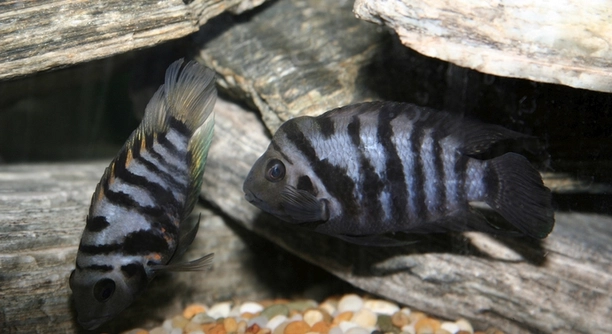
Cichlids are popular aquarium fish known for their vibrant colors and interesting behaviors. Many fishkeepers enjoy watching them grow and develop, especially when they start showing signs of readiness to spawn. Recognizing these signs can help create the best environment for their breeding success.
Cichlids display specific physical and behavioral changes when ready to spawn, such as increased territorial behavior, brighter coloration, and courtship rituals. These indicators signal that the fish are preparing to reproduce and require suitable conditions to do so.
Knowing these signs will help you support your cichlids during this important stage and improve your chances of successful breeding.
Increased Territorial Behavior
When cichlids are ready to spawn, they often become more territorial than usual. This change means they will guard their space more aggressively, chasing away other fish that come too close. You might notice them cleaning and preparing a specific area in the tank, such as a flat rock or a spot in the substrate. This behavior helps ensure a safe place for their eggs and fry later on. It’s important to provide enough hiding spots and space for each fish to reduce stress and conflict. By observing their territorial actions, you can better understand when they are ready to breed and help maintain a peaceful tank environment during this period.
This territorial shift is a clear signal that your cichlids are preparing for reproduction. Watching these changes closely can guide you in managing the tank.
Supporting this natural behavior with proper tank setup will increase the chance of successful spawning and healthy offspring. Providing clean surfaces and space encourages breeding activity.
Brighter Coloration
A common sign that cichlids are ready to spawn is a noticeable change in their coloration. Their colors become brighter and more vivid, making them stand out more in the tank. This color change is linked to their breeding condition and is a way to attract mates. It usually happens in both males and females, though males often show more intense color shifts. You might see blues, reds, or yellows intensify depending on the species. This vibrant appearance helps signal reproductive readiness and can be an exciting visual cue for anyone keeping these fish.
Bright coloration helps fish communicate their readiness to breed clearly.
Watching for this change allows you to prepare the tank and care for the spawning pair appropriately.
Courtship Rituals
Cichlids engage in specific courtship behaviors when they are ready to spawn. These rituals include swimming together closely, cleaning the chosen spawning site, and displaying fins or body movements. Males often show off their brightest colors and make gentle nudges toward females to encourage mating. The pair will stay near the prepared site, sometimes digging or moving small gravel to make it more suitable. These behaviors indicate that spawning is imminent and that the fish are forming a bond for reproduction. Observing these rituals helps you know when to adjust tank conditions, such as water temperature and cleanliness, to support egg laying and fertilization.
Courtship is a clear sign that spawning will happen soon and deserves careful attention.
By understanding and supporting these behaviors, you help ensure a safe environment for the eggs and future fry.
Nest Preparation
Cichlids prepare a specific spot in the tank for their eggs by cleaning and clearing debris. This shows they are getting ready to lay eggs soon.
They use their mouths and fins to move gravel, sand, or other materials to create a clean, flat surface. This area becomes the nest where the female will lay her eggs. The preparation helps protect the eggs from harm and keeps them safe from other fish. It also signals to the male that the female is ready to spawn, strengthening their bond during the process.
Sometimes, the nest site is under a rock or inside a cave. Providing these types of spaces in the tank encourages this natural behavior and makes spawning easier for the fish.
Changes in Appetite
A drop or change in appetite is often seen when cichlids are about to spawn. They may eat less or refuse food temporarily.
This change happens because their focus shifts to preparing for reproduction rather than feeding. Hormones affecting their behavior can reduce their hunger, and they spend more time guarding territory or cleaning the nest. It’s normal for fish to show less interest in food during this time, but you should still offer nutritious meals to keep them healthy. Pay close attention to their eating habits, as a sudden, long-lasting refusal to eat might signal stress or illness. Adjust feeding routines and tank conditions to support their needs through this phase.
Increased Cleaning Behavior
Cichlids start cleaning specific areas of the tank more often when ready to spawn. They focus on preparing a safe place for their eggs.
This cleaning includes rubbing surfaces with their mouths and fins to remove dirt and algae. It helps create a healthy environment for the eggs to develop and hatch successfully.
Pair Bonding
Before spawning, cichlids form a stronger bond with their chosen partner. They swim closely and often stay near each other in the tank.
This bonding helps coordinate the spawning process and increases the chances of successful fertilization. It also reduces aggression between the pair, making the tank environment calmer during breeding.
Increased Activity
Cichlids become more active during the spawning period. They swim faster and move around the tank more frequently, showing excitement and readiness.
This rise in activity is part of their natural behavior when preparing to reproduce. It signals that the fish are healthy and ready to lay eggs soon.
Protectiveness
Once ready to spawn, cichlids show protectiveness over their chosen nesting area. They guard it from other fish and potential threats in the tank.
FAQ
How can I tell if my cichlids are actually spawning or just showing breeding behavior?
Observing your cichlids closely will help distinguish between breeding behavior and actual spawning. Breeding behavior includes increased territorial actions, cleaning of a specific site, and brighter colors. Spawning occurs when the female lays eggs and the male fertilizes them. Watching the nest site carefully for eggs or fry will confirm spawning.
What should I do when I notice my cichlids are ready to spawn?
When your cichlids show signs of readiness, make sure the tank conditions are optimal. Maintain clean water, stable temperature, and provide plenty of hiding spots or flat surfaces for egg laying. Avoid disturbing the fish and reduce tank mates that may cause stress or eat the eggs.
Is it normal for cichlids to stop eating before spawning?
Yes, a temporary decrease in appetite is common as they focus on preparing to spawn. However, keep offering nutritious food and observe their health. If they refuse food for more than a few days, check for illness or stress.
Can I separate the breeding pair from other fish?
Separating the pair is often recommended to reduce stress and protect eggs from other fish. Use a breeding tank or divider if possible. This ensures a safer environment for the eggs and fry to develop.
How long does spawning usually take?
Spawning itself can take a few hours, but preparation behaviors might last several days. After eggs are laid, incubation times vary by species, usually ranging from 2 to 7 days.
What signs indicate eggs are fertilized and healthy?
Fertilized eggs usually appear clear or slightly yellowish and stay firmly attached to the spawning surface. Unfertilized eggs may look cloudy or turn white, which often means they should be removed to avoid fungus growth.
How do cichlids care for their eggs and fry?
Many cichlid species guard and clean their eggs diligently. Parents often fan the eggs with their fins to keep water flowing and protect them from fungus. After hatching, they may help move fry to safe locations and guard them from predators.
Can environmental factors affect spawning readiness?
Yes, factors like water temperature, pH, and cleanliness significantly influence spawning. Stable, species-appropriate conditions promote breeding behaviors. Sudden changes or poor water quality can delay or prevent spawning.
Should I feed special foods to encourage spawning?
Feeding high-quality, protein-rich foods can support breeding readiness. Live or frozen foods like brine shrimp or bloodworms are good options. A balanced diet helps maintain health and energy for spawning.
What if the cichlids become aggressive during spawning?
Increased aggression is normal as they defend territory and nesting sites. Monitor tankmates to prevent injuries. If aggression becomes extreme, consider separating fish or providing more space and hiding spots.
Final Thoughts
Knowing the signs that your cichlids are ready to spawn helps you support them through this important time. Watching for changes like increased territorial behavior, brighter colors, and nest preparation can give you clear clues. These behaviors show the fish are getting ready to reproduce, and paying attention to them can improve your chances of successful breeding. Keeping a close eye on your cichlids during this period allows you to make small adjustments in their care and environment, which can make a big difference.
Providing the right conditions is important when your cichlids are ready to spawn. Clean water, stable temperature, and enough space all contribute to a good environment for breeding. Make sure there are hiding places or flat surfaces where they can lay eggs. Reducing stress by limiting disturbances and keeping aggressive tankmates away helps the fish focus on spawning. Feeding a nutritious diet during this time also supports their health and energy. All these steps work together to create a safe and comfortable place for your cichlids to reproduce.
Spawning can be an exciting and rewarding experience for fishkeepers. It shows that your fish feel secure and healthy enough to continue their life cycle. While the process may require patience and careful observation, understanding the signs and needs of your cichlids makes it easier. Taking good care of your fish during spawning can lead to successful breeding and healthy fry, giving you more opportunities to enjoy their vibrant colors and fascinating behaviors in your tank.

Hello,
If you enjoy the content that we create, please consider saying a "Thank You!" by leaving a tip.
Every little bit helps us continue crafting quality advice that supports the health, happiness, and well-being of pets around the world, for pets of all shapes, sizes, and species.
We really appreciate the kindness and support that you show us!