
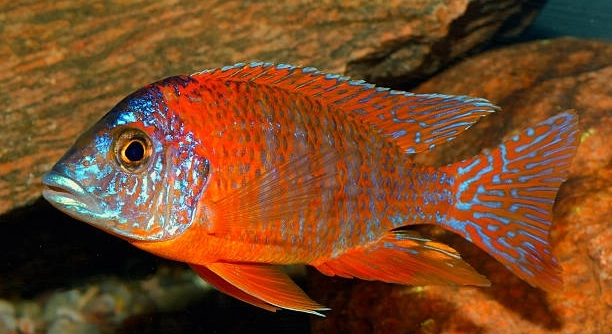
Have you ever placed a glass cover on your cichlid tank, hoping it would help keep things clean and simple?
Glass tank covers can actually create a range of problems for cichlids, including poor air exchange, temperature control issues, and increased aggression due to reflections. These conditions can stress the fish and harm their overall health.
Understanding these risks will help you make better choices for your cichlids and create a more stable and healthy environment.
Poor Air Exchange Limits Oxygen
Glass covers trap moisture and reduce airflow at the water’s surface, making it harder for oxygen to dissolve into the tank. Cichlids need well-oxygenated water to stay healthy and active. When oxygen levels drop, fish can become sluggish or breathe rapidly at the surface. Without proper air exchange, carbon dioxide can build up and further reduce water quality. This type of environment creates unnecessary stress for your cichlids and makes them more prone to disease. A mesh or screen lid allows for better airflow while still offering protection. It also makes it easier to use air-driven equipment, like sponge filters or bubblers, which further boost oxygen levels. Choosing an alternative to glass helps keep your fish healthier in the long run.
A poorly ventilated tank is never ideal for cichlids. They need a steady supply of oxygen, especially in warmer temperatures or during periods of higher activity.
By choosing a lid that encourages more air movement, you support your fish’s ability to breathe comfortably and thrive. Keeping your tank properly oxygenated doesn’t require fancy equipment—just a smarter choice in cover design. And once you notice the difference in your cichlids’ energy and color, you’ll know it was worth the change.
Glass Covers Trap Heat
When a glass lid covers the tank completely, heat has nowhere to escape. This makes temperature control difficult, especially in warmer climates.
Glass naturally holds heat, and when placed over an aquarium, it prevents the warmth generated by lights, heaters, and surrounding air from escaping. This often causes water temperatures to rise above safe levels for cichlids. Overheating can stress the fish, weaken their immune systems, and reduce their appetite. Some species may become more aggressive or sluggish when uncomfortable. In addition, glass covers often increase condensation, which can interfere with light penetration. This reduces visibility and affects the natural cycle of the tank. On the other hand, mesh or screen covers allow for steady airflow and help excess heat escape more easily. These alternatives support more stable temperatures, especially during the summer or if your tank is in a sunlit room. Stability is key when keeping cichlids, and even small temperature swings can be harmful over time.
Increased Aggression from Reflections
Glass covers often create reflections on the water’s surface, and cichlids may mistake these reflections for rival fish. This leads to stress, pacing, and unnecessary aggression, especially in territorial or breeding males. Constant exposure to reflections can make the fish more defensive or anxious.
Some cichlids will spend hours flaring or charging at their own reflection, believing it’s another fish threatening their space. This behavior can cause exhaustion, injuries, and constant tension in the tank. Over time, it may even damage the social structure among the fish, especially if more aggressive individuals are always on alert. By removing the reflective barrier and using a non-glass cover, the risk of this issue decreases significantly. The tank becomes more peaceful, and the fish focus more on natural behaviors like foraging or digging instead of attacking invisible threats.
A calmer tank environment supports better health and reduces the risk of injuries. Reflection-induced stress isn’t always obvious at first, but it builds over time. Fish may start losing color, hiding more, or showing signs of fin damage. Avoiding glass covers helps reduce unnecessary conflict and supports more stable behavior patterns. Less aggression also means a lower chance of serious fights or dominance struggles that can harm multiple fish in the tank.
Harder Access for Maintenance
Glass tank covers are heavy, awkward, and often need to be removed completely just to reach into the tank. This makes everyday maintenance more time-consuming. Feeding, water testing, and quick cleanups become harder when you need two hands to move a fragile glass lid.
In a busy schedule, tank tasks should be quick and simple. Lifting a glass lid each time you feed your fish or clean debris can feel like a chore, especially if it’s slippery or has built-up condensation. Glass covers also block access to hang-on equipment like filters or air lines, which may require frequent adjustment. The constant lifting and repositioning of the lid increases the risk of dropping or cracking it. With a screen or mesh cover, access is much easier. You can reach in quickly for feeding, testing water, or removing waste without moving the entire lid. These covers also allow for easier placement of equipment. Keeping up with small daily tasks helps avoid bigger problems later, and having easier access makes regular tank care less of a hassle.
Limits Equipment Placement
Glass covers often block the edges of the tank, making it harder to install filters, airline tubing, or automatic feeders. This can force awkward setups or reduce equipment performance, especially if you have a tight space.
Screen or mesh lids allow for easier routing of wires and hoses without needing to lift or shift anything.
Risk of Cracking and Injury
Glass covers can crack from heat or pressure. If dropped or hit, they may shatter, causing sharp edges that are dangerous to both people and fish. Broken glass in a tank can be hard to clean up and might injure curious fish. Accidents like these happen more often during maintenance or feeding when the lid needs to be moved. Replacing broken glass is also expensive and time-consuming. Using safer materials like mesh or plastic reduces this risk. These alternatives are lighter, easier to handle, and don’t pose the same danger. Avoiding glass helps prevent both accidents and costly damage to your setup.
Adds Unwanted Weight
Glass lids are heavier than other cover options. This added weight makes them harder to move and increases the risk of dropping them during routine care or setup adjustments.
What are the best alternatives to glass tank covers for cichlids?
Mesh or screen covers are the most common alternatives. They allow for better air circulation, which helps maintain oxygen levels and temperature stability. These covers also reduce reflections that cause aggression. Some plastic lids with ventilation slots can work well, but mesh is generally preferred for airflow.
Can I use acrylic lids instead of glass?
Acrylic lids are lighter and less likely to break, but they still can trap heat and reduce air exchange if fully closed. They may also cause reflections similar to glass. If using acrylic, choose designs with ventilation or combine with a screen cover.
How do reflections affect cichlid behavior?
Reflections can confuse cichlids into thinking there is a rival fish. This triggers aggressive behavior, which stresses the fish and wastes energy. Over time, constant exposure can lead to injuries or health decline. Reducing reflective surfaces helps keep fish calmer.
Is it safe to leave the tank open without any cover?
Leaving the tank open increases evaporation and risks fish jumping out, especially with active species like cichlids. It also allows dust and debris to enter the water. A mesh or screen cover protects the tank while maintaining airflow.
Will a screen lid keep humidity down?
Yes, screen lids help reduce condensation by allowing moisture to escape. This keeps the glass clear and reduces the need for frequent cleaning. It also prevents excess moisture from affecting nearby furniture or walls.
How often should I clean or replace a tank cover?
Covers should be cleaned regularly to remove dust, algae, or mineral buildup. Mesh screens may need replacing every few years if they become damaged or clogged. Glass or acrylic covers can last longer but require more careful cleaning to avoid scratches.
Can glass covers cause water temperature to fluctuate?
Yes, glass traps heat and limits airflow, which can cause water temperature to rise or fluctuate more easily. This stresses cichlids and may lead to health problems. Proper ventilation or alternative covers help maintain a steady temperature.
Are there safety concerns with glass covers?
Glass can break or crack, especially if dropped or hit during maintenance. Broken glass is dangerous for both fish and handlers. Choosing lighter, more durable materials reduces these risks and makes tank care safer.
How do I reduce aggression if I must use a glass cover?
If a glass cover is necessary, consider adding a thin non-reflective film or placing a mesh screen underneath to reduce reflections. Adjust tank lighting to minimize glare. Also, arranging plants or decorations near the surface can break up reflections.
Do all cichlid species react the same way to glass covers?
No, some cichlid species are more territorial or sensitive to reflections than others. Aggressive or breeding males are typically the most affected. Understanding your species’ behavior helps tailor your tank setup for their needs.
Can glass tank covers affect water quality?
Indirectly, yes. Poor air exchange under glass lids can increase carbon dioxide levels and reduce oxygen, impacting water chemistry. Trapped moisture also promotes algae growth on the glass. Better ventilation supports healthier water conditions.
Is it difficult to retrofit an existing tank to use a mesh cover?
It depends on the tank design, but most standard aquariums can accommodate mesh or screen covers. Custom frames or lids are available, or DIY options can be made to fit securely without gaps. Proper fit is important to keep fish safely inside.
Are mesh or screen covers more expensive than glass?
Mesh covers can be cheaper or similarly priced compared to glass, depending on size and material quality. They are lighter and easier to handle, which can save time and reduce the risk of damage during use.
How do I maintain a mesh or screen cover?
Regularly remove dust, algae, or mineral deposits with gentle cleaning using water and a soft brush. Avoid harsh chemicals that could harm fish. Inspect the screen for tears or loose fittings to ensure safety and effectiveness.
Does the choice of cover affect tank humidity?
Yes, closed glass covers trap humidity and condensation, while mesh covers allow moisture to escape, reducing fogging and protecting nearby surfaces. Proper airflow helps balance humidity inside and around the tank.
What should I do if my glass cover cracks or breaks?
Stop using the damaged glass immediately to avoid injury or water leaks. Replace it with a new glass or consider switching to a mesh or plastic cover. Handle broken glass carefully, and dispose of it safely to prevent accidents.
These questions cover many common concerns about glass tank covers for cichlids. Choosing the right cover helps maintain a healthy environment, reduces stress and aggression, and makes tank maintenance easier and safer.
Choosing the right cover for a cichlid tank is an important part of creating a healthy and comfortable environment for your fish. Glass covers may seem like a good choice at first because they are sturdy and clear. However, they come with several drawbacks that can affect your cichlids’ well-being. From reducing air circulation and trapping heat to causing reflections that increase aggression, glass covers can create conditions that are not ideal for these fish. Over time, these problems can lead to stress, illness, or behavioral issues, which every fish owner wants to avoid.
Using alternatives like mesh or screen covers helps solve many of the problems linked to glass lids. These covers allow better airflow, which improves oxygen levels and temperature control. They also reduce reflections, helping to lower aggression among territorial cichlids. Additionally, mesh covers are lighter and easier to handle during maintenance, making routine tasks quicker and safer. Although mesh lids may need occasional replacement due to wear, their benefits for fish health and tank upkeep often outweigh the minor inconvenience. These options provide a safer and more practical solution for most cichlid tanks.
Ultimately, the choice of tank cover has a direct impact on your cichlids’ quality of life and your ease of care. While glass covers may offer a clean look, they often create hidden problems that can harm your fish. Selecting a well-ventilated, lightweight cover designed for aquarium use supports healthier water conditions and more natural fish behavior. This small change can make a significant difference in your aquarium’s overall success. Considering these factors will help you provide the best environment for your cichlids to thrive and stay happy.

Hello,
If you enjoy the content that we create, please consider saying a "Thank You!" by leaving a tip.
Every little bit helps us continue crafting quality advice that supports the health, happiness, and well-being of pets around the world, for pets of all shapes, sizes, and species.
We really appreciate the kindness and support that you show us!