
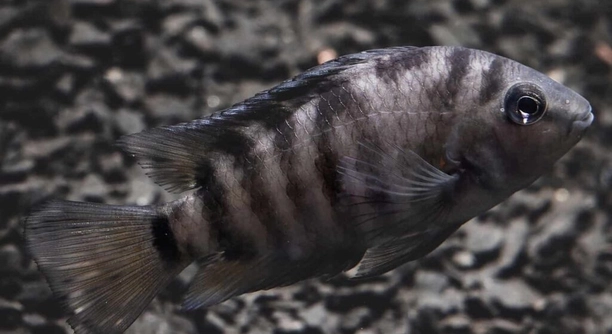
African cichlids are well-known for thriving in rocky habitats in their natural environment. These vibrant fish have adapted to live among rocks, which provide shelter and opportunities for breeding. Understanding their preference helps keepers create better home aquariums.
African cichlids prefer rocky habitats because these environments offer protection from predators, clear territories for breeding, and abundant food sources. The rocks provide shelter and structure that support their natural behaviors and social interactions.
Recognizing the importance of rocky environments helps improve aquarium care and promotes healthier fish behavior in captivity.
Importance of Shelter and Protection
Rocks offer African cichlids a safe place to hide from predators and aggressive tank mates. In the wild, rocky crevices allow them to escape danger and rest without constant stress. This shelter also helps reduce aggression among fish by giving them clearly defined territories. Territorial behavior is strong in cichlids, and rocks act as natural boundaries that keep conflicts to a minimum. These hiding spots are essential, especially during breeding seasons, as they provide a secure area for females to lay eggs and protect their young. Without such shelter, cichlids can become stressed, leading to poor health and reduced lifespan. The presence of rocks creates a balanced environment where fish feel secure and behave naturally, which is critical for their well-being both in nature and in aquariums.
The protective nature of rocks helps maintain a stable environment for cichlids, promoting healthier and more peaceful fish communities.
This understanding is vital for anyone keeping African cichlids in captivity. Providing ample rocky shelter mimics their natural habitat and supports their behavioral needs. Rocks not only reduce stress but also encourage natural breeding behaviors and improve overall fish health. Selecting the right type and arrangement of rocks is key, ensuring there are enough hiding spots and territories to prevent overcrowding and aggression. Avoid smooth or sharp rocks to prevent injury. A well-structured rocky habitat supports a thriving cichlid aquarium by fostering a safe, natural atmosphere that these fish require.
Role of Food and Feeding Habits
Rocks also influence where cichlids find food in their habitat.
In their natural environments, algae and small invertebrates grow on and around rocks, providing a steady food supply. African cichlids graze on these surfaces, scraping algae and picking off tiny creatures. This feeding habit helps maintain their diet and supports their nutritional needs. The rocky habitat not only supplies food but also encourages natural foraging behavior. By replicating this in aquariums with rocks and appropriate food, owners can keep cichlids active and healthy. Feeding habits linked to rocky areas are important for their physical and mental well-being, making rocks a critical part of their environment beyond just shelter.
Social Behavior and Breeding
African cichlids are highly social fish that depend on their rocky surroundings for communication and breeding. Rocks help establish clear territories that reduce fights and allow individuals to display their colors and behaviors. These territories are important during mating seasons, as males defend areas to attract females. The crevices and caves formed by rocks provide safe sites for egg laying and protecting fry. Without these structures, breeding success drops significantly. In captive settings, maintaining a rocky environment encourages natural social structures, reducing stress and aggression among fish. This setup allows cichlids to express their full range of behaviors, from courtship displays to parental care. Understanding these social needs is essential to creating an environment where cichlids thrive and reproduce successfully.
Water Conditions and Habitat Preference
African cichlids thrive in water with stable conditions, often found near rocky shores where water movement is moderate. These areas provide good oxygen levels and clear water, which suit the fish’s needs. The rocks help maintain a balanced environment by supporting algae and beneficial microorganisms.
Maintaining water quality is easier when rocky habitats are simulated because the surfaces host helpful bacteria that break down waste. These bacteria assist in controlling ammonia and nitrite levels, which are harmful to fish. The rocky structure also promotes water circulation, preventing stagnation. In tanks without rocks, it can be harder to replicate these natural benefits, increasing the risk of poor water conditions.
The mineral content of water around rocky habitats also affects cichlid health. Rocks release minerals that help keep pH levels stable and provide essential elements for fish development. Without these minerals, cichlids may experience stress or weakened immune systems. Replicating these water conditions in aquariums is key to supporting their natural preferences.
How to Create a Rocky Habitat in Your Aquarium
Start by choosing rocks that are safe and appropriate for your tank size. Avoid soft or crumbly rocks, and make sure they won’t affect water chemistry negatively. Arrange the rocks to form caves, crevices, and open spaces to mimic natural environments.
Use sturdy rocks that won’t shift or collapse to avoid harming your fish. Layering rocks carefully creates hiding spots and territories while maintaining good water flow. Keep in mind that too many rocks can reduce swimming space, so balance is essential. Creating varied levels with rocks encourages exploration and natural behavior.
Incorporate some algae-friendly surfaces to support feeding habits. Regularly clean the rocks to prevent buildup but avoid removing all algae, as it provides food. Adding plants alongside rocks can improve water quality and aesthetics. This setup helps replicate conditions that African cichlids prefer, improving their health and activity.
Choosing the Right Rocks for African Cichlids
Not all rocks are suitable for African cichlid tanks. Avoid soft or limestone rocks that can drastically change water chemistry. Opt for hard, inert rocks that won’t dissolve or release harmful substances.
Smooth edges are best to prevent injuries. Granite, slate, and basalt are popular choices because they are durable and safe for aquariums.
Avoiding Common Mistakes in Rocky Habitat Setup
Overcrowding the tank with too many rocks limits swimming space and causes stress. Balance is crucial. Avoid stacking rocks too high to prevent collapses that can injure fish or damage equipment.
Always test water parameters after adding rocks to catch any unexpected changes early. Proper arrangement ensures both fish safety and natural behavior.
Benefits Beyond Shelter and Feeding
Rocks support natural behaviors like hiding, breeding, and territory marking, which help reduce stress and aggression. They also improve tank aesthetics and create a more engaging environment for the fish.
A well-designed rocky habitat contributes significantly to the overall health and happiness of African cichlids.
FAQ
Why do African cichlids need rocky habitats?
African cichlids naturally live in rocky areas where they find shelter, food, and breeding spaces. Rocks provide protection from predators and help reduce stress by giving fish places to hide. These habitats also support their natural behaviors, like establishing territories and caring for their young. Without rocks, cichlids may feel exposed and stressed, which affects their health.
Can I use any type of rock in my aquarium?
No, it’s important to choose aquarium-safe rocks. Some rocks, like limestone, can alter water chemistry by raising pH or hardness, which may harm the fish if not managed properly. Hard, inert rocks like granite, slate, or basalt are safer options because they don’t dissolve easily and won’t affect water quality.
How many rocks should I put in my tank?
The number of rocks depends on the tank size and fish population. Avoid overcrowding the aquarium with too many rocks, as this reduces swimming space and may cause stress. Aim for a balance where rocks provide enough hiding spots and territories but still leave room for the fish to swim freely.
What is the best way to arrange rocks in the aquarium?
Arrange rocks to create caves, crevices, and open areas. Make sure the structure is stable to prevent rocks from falling and injuring fish or damaging equipment. Layer rocks carefully and avoid tall, unstable stacks. Providing a variety of spaces helps fish feel secure and supports natural behaviors like territory marking and breeding.
Do rocks affect water quality?
Yes, rocks can influence water chemistry. Some rocks release minerals that help stabilize pH and hardness, which is beneficial for cichlids. However, certain types may raise these levels too much, so testing water parameters after adding rocks is important. Rocks also offer surfaces for beneficial bacteria to grow, which helps break down waste and maintain water quality.
How often should I clean the rocks in my tank?
Regular cleaning is important but avoid removing all algae because it serves as a food source for some cichlids. Gently scrub rocks during water changes to remove excessive buildup. Over-cleaning can disrupt beneficial bacteria colonies, so keep cleaning balanced to maintain a healthy environment.
Will rocky habitats help reduce aggression in cichlids?
Yes, rocks create territories and hiding places that help lower aggression. Cichlids are territorial fish, and clear boundaries reduce fights. Rocks also allow subordinate fish to escape and find shelter, which decreases stress and helps keep the tank peaceful.
Can I keep plants with rocks in a cichlid tank?
Yes, but choose hardy plants that can tolerate the conditions cichlids create. African cichlids may dig around plants or uproot them, so anchoring plants near rocks helps protect them. Plants improve water quality and add to the natural feel of the tank but should be chosen carefully to avoid damage.
Are caves necessary for breeding?
Caves or crevices are important for breeding as they offer secure places for females to lay eggs and protect fry. Many cichlids are cave spawners, and these structures mimic their natural breeding environment. Providing caves encourages natural reproductive behavior and increases breeding success.
What if I don’t have enough rocks for my cichlids?
Without enough rocks, cichlids may become stressed, aggressive, or less active. They need hiding spots and territories to feel safe. Adding more rocks or decorations that create similar shelter will improve their comfort and health. If rocks are limited, other safe decorations can help, but rocks remain the best choice for these fish.
How do I know if my rocks are safe for African cichlids?
Test rocks by placing them in vinegar or another mild acid; if they fizz or bubble, they likely contain calcium carbonate and can alter water chemistry. Always rinse rocks thoroughly before adding them to your tank. Research the rock type or buy from aquarium suppliers who guarantee safety for fish.
Can rocky habitats help with water filtration?
Indirectly, yes. Rocks provide surface area for beneficial bacteria to grow, which breaks down harmful substances like ammonia and nitrite. This natural biological filtration supports better water quality. However, rocks don’t replace mechanical or chemical filtration systems but work alongside them.
Do rocks make aquariums harder to maintain?
Rocks can add some maintenance, like cleaning algae buildup, but they also help keep water stable by hosting beneficial bacteria. With proper care and balanced cleaning, rocky habitats don’t make maintenance harder; they often improve fish health and reduce stress, which lowers disease risk and long-term tank issues.
Is it okay to rearrange rocks after fish are settled?
Frequent rearranging can stress cichlids because they rely on established territories. If you must rearrange, do it gradually or during water changes when fish are less active. Try to keep some familiar landmarks to reduce stress and aggression.
Can I create a rocky habitat in a small tank?
Yes, but be mindful of space. Use fewer rocks and create compact hiding spots to keep enough open swimming areas. Small tanks require careful planning to balance shelter and swimming space, ensuring fish remain comfortable and active.
How do rocks impact the behavior of African cichlids?
Rocks encourage natural behaviors such as territory defense, foraging, breeding, and hiding. They provide a structured environment that reduces stress and aggression. Fish with proper rocky habitats are usually more active and display vibrant colors compared to those kept in bare tanks.
African cichlids have a clear preference for rocky habitats because these environments closely match their natural homes. Rocks offer essential shelter, helping them feel safe and reducing stress. When cichlids have places to hide, they can rest and avoid threats, which supports their overall health. The structure rocks create also allows fish to establish territories, which lowers aggressive behavior. This natural setup encourages normal social interactions, such as courtship and breeding, which is important for their well-being. In both wild and aquarium settings, rocky habitats play a key role in maintaining healthy, active African cichlid populations.
Besides shelter and social benefits, rocks provide surfaces where algae and small organisms grow. These become important food sources for the fish, promoting natural feeding habits. The mineral content from certain rocks also helps stabilize water chemistry, keeping pH and hardness levels suitable for cichlids. Maintaining these conditions in an aquarium supports the fish’s immune system and reduces stress. Proper water quality is easier to achieve when rocks host beneficial bacteria that break down waste products. Therefore, rocky environments not only serve as physical structures but also contribute to the overall health of the tank ecosystem.
Creating a rocky habitat in an aquarium takes careful planning. It is important to choose safe, stable rocks that won’t change water conditions negatively or risk injury to the fish. Balancing the amount of rock with open swimming space helps keep the tank comfortable and reduces conflicts. Regular maintenance, such as gentle cleaning of rocks and monitoring water parameters, ensures a healthy environment. By replicating the natural rocky habitat, aquarium owners give African cichlids the best chance to thrive, behave naturally, and live longer. This approach benefits both the fish and those who care for them.

Hello,
If you enjoy the content that we create, please consider saying a "Thank You!" by leaving a tip.
Every little bit helps us continue crafting quality advice that supports the health, happiness, and well-being of pets around the world, for pets of all shapes, sizes, and species.
We really appreciate the kindness and support that you show us!