
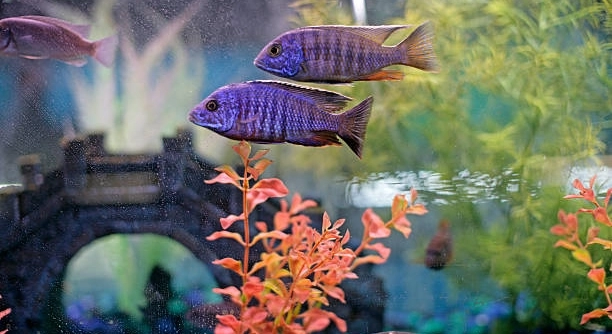
Many cichlid owners notice their fish breathing heavily after feeding. This behavior can be concerning, especially if it seems unusual or prolonged. Understanding why this happens helps keep your fish healthy and comfortable in their environment.
Heavy breathing in cichlids after feeding is often caused by increased metabolic activity and oxygen demand. Digesting food requires more oxygen, which can make the fish breathe faster or appear to gasp. Poor water quality or overfeeding may worsen this effect.
Knowing the reasons behind this breathing pattern can help you manage your cichlid’s care better. It also supports a healthier environment for your aquatic pet over time.
Causes of Heavy Breathing After Feeding
When a cichlid eats, its body needs more oxygen to break down the food. This increased demand makes the fish breathe harder for a short time. Sometimes, the water conditions contribute to this problem. If the tank has low oxygen levels or poor filtration, the fish will struggle even more. Overfeeding can also cause heavy breathing. Uneaten food can decay and lower water quality, stressing the fish. Additionally, some cichlids naturally have a higher metabolism, so they may breathe more quickly after eating. Watching your fish closely after meals can help spot any unusual behavior early. It’s important to keep the tank clean and avoid feeding too much. This will keep your cichlid comfortable and reduce heavy breathing episodes. Regular water changes and good filtration play a key role in maintaining a healthy tank environment.
Monitoring your cichlid’s breathing during and after feeding helps identify if something is wrong. Early attention can prevent bigger health issues.
By managing water quality and feeding habits carefully, you can support your fish’s well-being. Ensuring the right tank conditions allows your cichlid to enjoy meals without discomfort. Adjust feeding amounts and frequency to what your fish can eat quickly. Maintaining oxygen-rich water with proper aeration also eases breathing. Remember, a calm and healthy fish shows normal breathing patterns after meals. If heavy breathing persists, checking for illness or consulting a specialist is wise.
Tips to Improve Your Cichlid’s Breathing
Proper feeding amounts are key. Overfeeding often causes water quality to drop and stresses fish. Feed small portions that your cichlid can finish in a few minutes.
To improve breathing, make sure your tank is well-aerated. Adding an air stone or improving filter flow increases oxygen. Keep the water clean with regular partial water changes, removing uneaten food and waste. Avoid sudden temperature changes, as they affect oxygen levels in the water. A stable environment helps your cichlid stay healthy and breathe easily. If heavy breathing continues, it may be a sign of illness or poor water conditions that need attention. Regular testing of water parameters like ammonia, nitrites, and pH keeps your tank safe. Creating a balanced and calm tank environment benefits your fish’s overall health and comfort.
How Water Quality Affects Breathing
Poor water quality reduces oxygen availability in the tank. Ammonia, nitrites, and nitrates build up, causing stress. This makes your cichlid breathe heavily after eating, as it struggles to get enough oxygen.
Regular water tests help keep these levels in check. High ammonia or nitrites are toxic and damage gills, impairing breathing. Even slight imbalances affect oxygen exchange, forcing the fish to work harder. Keeping the tank clean with frequent water changes prevents harmful chemical buildup. Proper filtration also removes waste and maintains clear water. A healthy environment allows your cichlid to breathe normally and digest food without difficulty. Avoid overcrowding the tank, as too many fish consume oxygen faster. Monitoring and maintaining good water quality is the best way to support your cichlid’s breathing and overall health.
Adjusting water parameters carefully prevents breathing problems caused by poor water quality. This keeps your fish more comfortable after feeding.
Recognizing When Heavy Breathing Is a Health Issue
Heavy breathing can sometimes signal illness, not just environmental factors. Look for other symptoms like lethargy, loss of appetite, or unusual swimming patterns. These signs suggest your cichlid might be sick.
Diseases such as gill infections, parasites, or swim bladder problems can cause heavy breathing. Infections damage gills, reducing oxygen intake. Parasites irritate gill tissue, making breathing painful. Swim bladder issues affect buoyancy, adding stress. If heavy breathing persists beyond feeding times, it’s time to check for health problems. Quarantining the fish and consulting an aquatic vet or specialist is recommended. Early treatment improves chances of recovery. Healthy gills and body function are essential for normal breathing. Careful observation helps differentiate between environmental stress and illness, ensuring proper care for your cichlid.
Overfeeding and Its Impact
Overfeeding leads to leftover food that pollutes the water. This lowers oxygen levels, making your cichlid breathe harder after meals.
Feeding the right amount helps keep the tank clean and your fish comfortable. Small, frequent meals are better than one large feeding.
Importance of Proper Tank Aeration
Good aeration increases oxygen levels in the water, helping your cichlid breathe easily. Use air stones or filters that create water movement to improve oxygen exchange.
Proper aeration reduces stress on your fish, especially after feeding when oxygen demand is higher. It also helps maintain a healthy environment overall.
Stress and Heavy Breathing
Stress from overcrowding, sudden changes, or aggressive tank mates can cause heavy breathing.
Minimizing stress helps your cichlid breathe normally and stay healthy.
FAQ
Why is my cichlid breathing heavily only after feeding?
After eating, your cichlid’s metabolism speeds up to digest the food, which requires more oxygen. This causes heavier breathing as the fish tries to take in enough oxygen to support digestion. If water quality is poor or oxygen levels are low, this effect becomes more noticeable.
Can poor water quality cause heavy breathing?
Yes. High levels of ammonia, nitrites, or nitrates reduce oxygen availability and irritate the fish’s gills. This makes breathing harder, especially after feeding when oxygen demand increases. Regular water testing and maintenance prevent this problem.
Is heavy breathing always a sign of illness?
Not always. Sometimes it’s just normal after feeding. But if heavy breathing lasts long, or comes with other symptoms like lethargy, loss of appetite, or abnormal swimming, it could indicate a health issue like gill disease or parasites.
How can I improve oxygen levels in my tank?
You can add air stones or increase filter flow to improve water movement and oxygen exchange. Regular partial water changes also help keep oxygen levels stable. Avoid overcrowding to reduce oxygen consumption.
Does overfeeding cause heavy breathing?
Yes, indirectly. Overfeeding leaves uneaten food that decomposes, reducing oxygen in the water. This stresses your fish and makes breathing harder. Feed small amounts that your cichlid can finish quickly to avoid this.
What signs should I watch for that mean my cichlid is sick?
Look for heavy breathing beyond feeding times, clamped fins, redness around gills, unusual swimming, and loss of appetite. These signs suggest illness, and it’s important to act quickly to diagnose and treat your fish.
Can stress affect my cichlid’s breathing?
Definitely. Stress from overcrowding, aggressive tank mates, or sudden changes in water parameters can cause heavy breathing. Reducing stress by providing a stable environment and enough space helps your cichlid breathe better.
How often should I change the water to help with breathing issues?
Perform regular partial water changes weekly or biweekly, depending on tank size and stocking levels. This keeps ammonia and nitrites low and maintains good oxygen levels, supporting healthy breathing.
Is tank temperature important for breathing?
Yes. Warmer water holds less oxygen, making breathing harder for fish. Keep the temperature within your cichlid’s ideal range to prevent oxygen shortages. Avoid sudden temperature changes to reduce stress.
What should I do if heavy breathing continues despite good water conditions?
If your cichlid continues to breathe heavily after feeding despite good water quality and proper care, consider consulting a vet or aquatic specialist. There may be hidden health issues like internal infections or swim bladder problems needing treatment.
Can changing the diet help with heavy breathing?
Sometimes. Feeding high-quality, easy-to-digest foods can reduce the oxygen demand during digestion. Avoid feeding large meals or foods that may cause digestive problems, which can increase breathing difficulty.
How can I tell if my cichlid is overfed?
Signs include leftover food in the tank, cloudy water, and your fish gaining weight too quickly. Overfed fish may also become lethargic or show signs of stress, including heavy breathing.
Are there specific tank setups that help reduce heavy breathing?
Tanks with good filtration, aeration, and plenty of swimming space help keep oxygen levels stable. Plants can add oxygen, but be sure they don’t overcrowd the tank. Proper setup creates a healthier environment for your cichlid.
Can I use medication to help heavy breathing?
Only if heavy breathing is caused by illness. Medication should be used carefully and based on diagnosis. Incorrect treatment can harm your fish or tank ecosystem. Always consult a professional before medicating.
What are common diseases that cause heavy breathing?
Gill flukes, bacterial infections, and parasites often cause heavy breathing by damaging gills. Swim bladder disorders can also affect breathing indirectly by stressing the fish. Early detection and treatment improve recovery chances.
Heavy breathing in cichlids after feeding is a common experience for many fish owners. It usually happens because the fish’s body needs more oxygen to digest food. This is a natural process, but it can be made worse by factors like poor water quality or overfeeding. Keeping your tank clean and providing the right amount of food helps reduce this problem. Watching your cichlid carefully after meals can give you important clues about its health and comfort.
Water quality plays a big role in how well your cichlid breathes. Ammonia, nitrites, and other waste products build up quickly in an unclean tank. These substances make it harder for fish to get the oxygen they need, which can cause heavy breathing. Regular water changes, good filtration, and proper aeration are essential to maintain a healthy tank. It’s also important not to overcrowd your tank because too many fish use up oxygen faster. With the right care, your cichlid will have a comfortable environment to live in and digest food without stress.
Sometimes heavy breathing might be a sign of illness rather than just normal digestion. If you notice your cichlid breathing heavily all the time or showing other symptoms like loss of appetite or strange swimming behavior, it could mean there is a health issue. Stress from tank conditions or aggressive tank mates can also cause breathing problems. Paying attention to these signs and acting early can help your fish recover more quickly. Overall, a well-maintained tank, careful feeding, and close observation will help keep your cichlid healthy and breathing comfortably after every meal.

Hello,
If you enjoy the content that we create, please consider saying a "Thank You!" by leaving a tip.
Every little bit helps us continue crafting quality advice that supports the health, happiness, and well-being of pets around the world, for pets of all shapes, sizes, and species.
We really appreciate the kindness and support that you show us!