
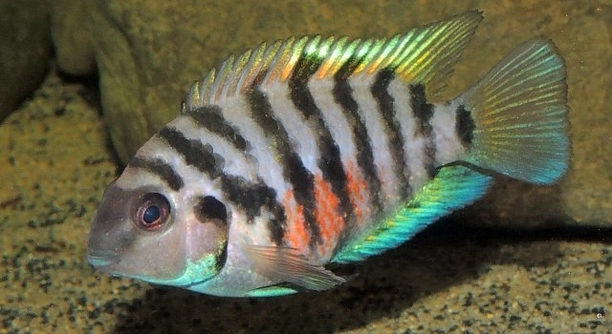
Is your African cichlid rubbing its side against rocks, plants, or tank surfaces more than usual? This behavior might seem odd at first but is quite common among aquarium fish.
The most common reason your African cichlid is rubbing its side is due to skin irritation, often caused by parasites, poor water quality, or stress. Identifying the exact cause early helps prevent further health complications and improves fish welfare.
Learning what triggers this rubbing behavior can help you create a safer, healthier environment for your cichlid and support its long-term well-being.
Common Reasons for Rubbing Behavior
African cichlids may rub against objects when they feel discomfort or irritation on their skin. This is often a response to something in the tank that is bothering them, like parasites or poor water quality. It can also be a sign of early illness. Parasites like ich, flukes, or skin worms can cause itching, making the fish scratch themselves to relieve it. Water that is too hard or filled with ammonia, nitrites, or nitrates can also irritate their skin. Stress is another common trigger. If the tank is overcrowded or the cichlid feels threatened by other fish, rubbing can become a nervous behavior. Any sudden change in the tank—like temperature drops or chemical spikes—may also play a role. Paying close attention to the tank conditions and observing any other symptoms like fast breathing or color changes can help you figure out what’s wrong early on and take action quickly.
Rubbing can also happen during breeding periods. Some cichlids use this motion to mark territory or attract a mate.
Check your water parameters regularly, especially after a rubbing episode. Even a slight imbalance can impact your cichlid’s comfort. Clean water and a stable environment reduce the chance of irritation or disease.
How to Address the Problem
The first step is to test the water using a reliable test kit. Make sure levels of ammonia, nitrite, and nitrate are within safe ranges.
If the water looks fine, inspect your cichlid for visible signs of parasites like white spots, torn fins, or cloudy patches. If you notice anything unusual, a proper diagnosis is key before treating the tank. You can isolate the affected fish in a hospital tank and use parasite treatments as recommended. Use aquarium salt only if it’s safe for your tank setup and fish species. Keep the temperature stable and perform small, regular water changes. Avoid overfeeding, as leftover food increases waste in the tank. Also, make sure your cichlid has space and hiding spots to reduce stress. Avoid placing aggressive species together. It’s helpful to observe the fish during different times of the day to see if the rubbing gets worse during feeding, after lights turn on, or near certain tank mates. Addressing the root cause early can help your cichlid return to its normal, calm behavior.
When to Be Concerned
If your cichlid is rubbing itself repeatedly and also showing signs like clamped fins, faded color, or reduced appetite, it may be more than a temporary reaction. These signs often point to a health issue that needs your attention.
A little rubbing now and then isn’t unusual, especially after tank maintenance or a slight change in water conditions. But if the behavior becomes frequent and your fish seems less active or hides more than usual, it could signal stress or illness. External parasites like ich or flukes usually show other signs such as white spots, rapid gill movement, or frayed fins. Watch how the fish interacts with others, too—bullying or chasing can also cause rubbing. Keeping a log of any changes, including water quality and feeding routines, can help you notice patterns and narrow down the cause. Don’t wait too long to act if you see more than one symptom.
Early treatment works best. If you’re unsure what’s causing the rubbing, it’s safer to separate the fish and observe it closely. Sometimes a few days in a stress-free, clean hospital tank can calm things down. This also helps avoid spreading possible parasites to others. Treatments should match the specific problem, so avoid guessing with medications.
Preventive Measures That Help
Regular maintenance is one of the best ways to prevent rubbing. Clean the tank weekly, vacuum the substrate, and remove uneaten food. Stable water quality helps reduce skin irritation and stress. Avoid overcrowding to give each fish space to swim and hide.
Quarantine new fish before adding them to your tank. This lowers the risk of introducing parasites or bacteria that could affect your cichlid. Keep an eye on water temperature and pH, as African cichlids prefer consistent conditions. Make sure your filtration system is working well, and replace filter media as needed. Feed a balanced diet and avoid overfeeding, which leads to excess waste. Watching your cichlid’s behavior regularly helps you catch early signs of discomfort. Adjust lighting, decorations, or tank mates if you notice changes after any setup updates. Prevention isn’t complicated—it just takes a bit of consistency and observation. Healthy routines go a long way in keeping your fish calm and itch-free.
Environmental Triggers to Watch
Bright lighting, loud noises, or sudden temperature shifts can lead to stress in African cichlids. These stressors may cause them to rub against objects more often, especially when they’re trying to calm themselves or find comfort.
Rough decorations or sharp surfaces in the tank can irritate their skin. Make sure tank items are smooth and safe for fish to swim around.
Monitoring for Long-Term Patterns
Track any rubbing episodes and note the time, tank conditions, and any recent changes. Keeping a simple journal can help you catch patterns or triggers you might miss otherwise. Over time, this helps you respond faster and make better choices for your tank setup and care routine.
When Behavior Returns After Treatment
If rubbing continues after treatment, double-check water quality and consider a second opinion from an aquatic vet. Persistent behavior usually means something’s still off in the environment or the first treatment didn’t fully work.
FAQ
Why is my African cichlid rubbing its side against the tank?
Your cichlid might be rubbing its side to relieve irritation caused by parasites, poor water quality, or stress. Sometimes, it is a natural behavior related to territory or breeding, but frequent rubbing usually points to discomfort or health issues that need addressing.
Can rubbing cause injuries to my cichlid?
Yes, continuous rubbing against rough surfaces can cause skin damage or open wounds. This makes your fish more vulnerable to infections, so it’s important to check the tank decorations and provide smooth, safe surfaces to prevent injuries.
How can I tell if my cichlid has parasites?
Look for white spots, patches, or unusual marks on the skin and fins. Other signs include rapid breathing, lethargy, clamped fins, and loss of appetite. If you notice these, it’s a good idea to isolate your fish and treat the tank properly.
Is poor water quality a common cause for rubbing?
Absolutely. High ammonia, nitrites, or nitrates irritate fish skin and gills, prompting them to rub to ease discomfort. Regular testing and maintenance help prevent water quality issues that lead to this behavior.
What water parameters are ideal for African cichlids?
African cichlids thrive in slightly alkaline water with a pH between 7.8 and 8.6. Temperatures should be stable around 75 to 82°F (24 to 28°C). Maintaining these parameters reduces stress and keeps skin healthy.
How often should I clean the tank to prevent rubbing?
Weekly partial water changes of 20-30% combined with substrate vacuuming are recommended. This removes waste and toxins that can irritate your fish’s skin and help maintain a balanced environment.
Can stress cause rubbing behavior?
Yes, stress from overcrowding, aggressive tank mates, or sudden changes can make cichlids rub themselves. Reducing stress by providing hiding spots and proper tank mates often lowers this behavior.
Should I use medication if my fish is rubbing?
Only if you identify a specific issue like parasites or bacterial infection. Using medications unnecessarily can harm the beneficial bacteria in the tank and your fish. Always diagnose or consult an expert before treatment.
Can diet affect rubbing behavior?
A poor diet weakens a fish’s immune system, making it more prone to infections and irritation. Feeding a balanced, high-quality diet supports skin health and overall resistance to stressors.
Is rubbing normal during breeding?
Yes, some African cichlids rub their bodies as part of mating rituals or to mark territory. This is generally temporary and less frequent than rubbing caused by illness or discomfort.
How long does it take for rubbing to stop after fixing the problem?
If the cause is water quality or parasites and treatment begins promptly, rubbing should decrease within a few days to a week. Longer-lasting behavior means a deeper issue may exist.
Can rubbing be a sign of internal illness?
While less common, internal problems like parasites or infections can cause skin irritation leading to rubbing. Watch for other symptoms like swelling or unusual swimming patterns.
Is quarantine necessary for new fish?
Yes, quarantining new fish for at least two weeks helps prevent introducing diseases and parasites that cause rubbing and other health issues in your main tank.
What should I do if rubbing continues after treatment?
Review your water quality, tank setup, and diet. Persistent rubbing suggests something is still wrong. Consulting an aquatic veterinarian or experienced aquarist can provide targeted advice.
Can environmental changes cause rubbing?
Sudden changes like new decorations, lighting, or water parameters can stress cichlids, causing rubbing. Introduce changes slowly and observe how your fish reacts to minimize discomfort.
Is rubbing more common in certain species of African cichlids?
Some species are more territorial or sensitive, which can lead to more rubbing behavior. Knowing your species’ specific needs helps prevent stress and skin irritation.
How important is observation in preventing rubbing issues?
Very important. Regularly watching your cichlid’s behavior, appearance, and tank conditions helps catch problems early before rubbing becomes severe or leads to health complications.
African cichlids rubbing their sides is a behavior that often signals something is bothering them. It could be as simple as a minor irritation or stress, but it might also point to health problems like parasites or poor water quality. Watching your fish closely and paying attention to its environment is important. Small changes in water conditions, tank setup, or even the fish’s diet can make a big difference. Making sure the tank is clean and stable will help reduce rubbing caused by discomfort.
If your cichlid keeps rubbing, it’s best to act quickly. Test the water regularly and look for any signs of illness. Parasites are common causes of skin irritation, and they need to be treated properly to avoid serious harm. Stress is another factor that can make rubbing worse. Overcrowding, aggressive tank mates, or sudden changes in the tank can cause your fish to feel unsafe. Providing enough space, hiding spots, and peaceful companions will help keep stress levels down. Keeping a calm, healthy environment is key to stopping rubbing behavior.
Remember, prevention is the easiest way to protect your cichlid from skin problems. Clean the tank often, quarantine new fish before adding them, and watch for any unusual behavior or appearance. A balanced diet also supports your fish’s health and immune system. If rubbing continues despite your efforts, don’t hesitate to seek advice from an aquatic vet or experienced aquarist. Early care and good maintenance can help your African cichlid stay comfortable, healthy, and happy in its home.

Hello,
If you enjoy the content that we create, please consider saying a "Thank You!" by leaving a tip.
Every little bit helps us continue crafting quality advice that supports the health, happiness, and well-being of pets around the world, for pets of all shapes, sizes, and species.
We really appreciate the kindness and support that you show us!