
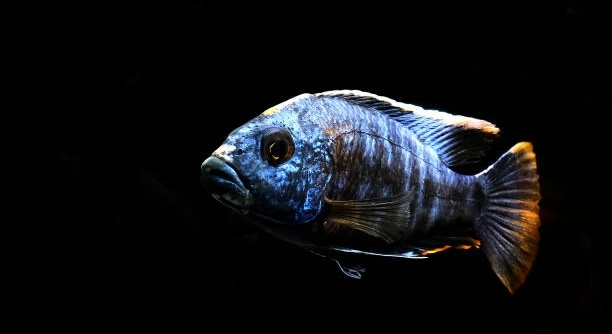
Many fishkeepers notice how cichlids change their colors at different times. These color changes often catch attention and make people wonder if they mean something more than just beauty. Observing these shifts can be quite fascinating for aquarium lovers.
Cichlids can show certain moods through changes in their coloration, but color alone is not a definitive indicator. Behavioral cues and environmental context must be considered to accurately interpret their emotional states.
Learning how to read these subtle signs can improve your understanding of your fish’s needs and wellbeing. This insight can create a more harmonious environment for both you and your aquatic pets.
Understanding Color Changes in Cichlids
Cichlids are known for their vibrant colors, which can shift depending on various factors. These changes are often related to their mood, health, or environment. When a cichlid feels threatened or stressed, its colors may darken to signal discomfort. Conversely, bright, vivid colors can show confidence or readiness to breed. Lighting and water conditions also affect how colors appear. Sometimes, a cichlid’s colors might fade if it is sick or not getting the right nutrients. Observing these patterns over time can help you understand what your fish is experiencing. It’s important to note that some species naturally change colors as part of their normal behavior, such as during mating seasons or territorial displays. Recognizing these differences helps prevent misinterpretation of your cichlid’s wellbeing. Regular observation paired with proper tank care is key to keeping your cichlid healthy and comfortable.
Mood and environment influence cichlid coloration more than any other factor.
Watching your fish closely for other signs, like movement and behavior, adds clarity to what their colors mean.
Common Color Signals and Their Meanings
Darkening colors usually point to stress, fear, or illness in cichlids. When a fish feels unsafe, it may hide or become less active, accompanied by duller hues. On the other hand, bright and intense colors often indicate a relaxed and healthy state. During breeding times, males especially display the most vibrant colors to attract females and warn rivals. Changes can also happen if your fish is adjusting to new tank mates or changes in water quality. Understanding these signals helps in responding quickly to your cichlid’s needs. For example, if a fish turns pale and hides, checking water parameters and tank conditions is a good first step. Offering hiding spots and maintaining a stable environment supports color expression tied to comfort. Color changes alone don’t tell the full story, so combining them with behavior observations offers a clearer picture of your fish’s mood and health.
Color shifts often reflect what the cichlid feels or experiences in its environment.
Interpreting these signals accurately takes practice but improves your care and connection with your fish.
How Lighting Affects Cichlid Color
Lighting plays a major role in how vibrant cichlids appear. Different light intensities can make colors look brighter or duller.
Natural light or full-spectrum aquarium lights help bring out the best colors in cichlids. Too much light, however, can stress the fish and cause fading. It’s important to balance the light duration and intensity to match their natural environment.
Adjusting lighting gradually helps your fish adapt without sudden changes that might cause stress. Using timers ensures consistent light cycles, which supports healthy color expression and normal behavior.
Other Factors Influencing Color
Water quality greatly impacts cichlid coloration. Poor water conditions can cause stress, leading to dull or faded colors. Keeping the tank clean with regular water changes helps maintain color brightness.
Diet also affects color. Foods rich in carotenoids and other pigments enhance vibrant hues naturally. Feeding a balanced diet that includes color-enhancing flakes or pellets supports their overall health and appearance.
Temperature changes may also alter color, as cichlids can become less colorful if water is too cold or too warm. Maintaining stable conditions reduces stress and keeps colors consistent.
Stress and Its Impact on Color
Stress often causes cichlids to lose their vibrant colors. When stressed, their bodies divert energy away from color display to survival.
Common stress triggers include overcrowding, aggressive tank mates, and sudden changes in water quality or temperature.
Breeding and Color Changes
During breeding, cichlids show their brightest and most intense colors. Males especially become more colorful to attract females and defend territory. This color boost signals readiness to mate and warns others to stay away.
Recognizing Illness Through Color
Faded or blotchy colors can indicate illness in cichlids. If combined with lethargy or loss of appetite, it’s time to check for health problems.
FAQ
Can cichlids change color quickly to show mood?
Yes, some cichlid species can change color relatively fast to reflect their mood or environment. For example, when threatened, their colors may darken within minutes as a stress response. Brightening can also happen quickly during courtship or when feeling dominant. However, slow color changes over days usually relate to health or environmental factors rather than mood alone.
Why does my cichlid turn pale sometimes?
Pale coloration often signals stress, illness, or poor water quality. It can also happen if the fish is scared or hiding. Checking tank conditions, water parameters, and tank mates usually helps identify the cause. Improving these factors typically allows the fish’s colors to return to normal.
Are some cichlids naturally dull-colored?
Yes, not all cichlids are brightly colored. Some species have naturally muted or camouflaged patterns to blend into their surroundings. Their color changes tend to be subtler and may rely more on patterns or shading than vivid hues.
How can I encourage brighter colors in my cichlid?
Maintaining excellent water quality, providing a varied diet rich in natural pigments, and using proper lighting all support brighter colors. Avoiding stress by giving your fish enough space and hiding spots also helps.
Can color changes indicate illness?
Absolutely. Sudden fading, blotchy spots, or unusual discoloration often point to health issues. These symptoms paired with changes in behavior or appetite require attention and possibly treatment.
Do male and female cichlids show different color changes?
Typically, males display more dramatic color changes, especially during breeding. Females may also change colors but usually less intensely. These differences relate to mating behaviors and territorial displays.
Is lighting the most important factor for color display?
Lighting is very important but not the only factor. Good lighting enhances natural colors, but diet, water quality, and stress levels also play key roles. All must be balanced for optimal color expression.
How long does it take for a cichlid to regain its color after stress?
Recovery time varies but usually takes a few days to a week once stressors are removed and conditions improve. Patience and consistent care are important during this period.
Can color changes help identify individual cichlids?
Yes, some cichlids have unique patterns or markings that shift slightly with mood or health. Observing these changes can help you recognize individuals and their wellbeing over time.
Should I worry if my cichlid’s color changes overnight?
Sudden overnight changes can be a sign of stress, illness, or environmental problems like water quality shifts. Monitoring behavior and testing water parameters is important to rule out issues quickly.
Can diet alone change a cichlid’s color?
Diet influences color but usually in combination with other factors. Foods rich in carotenoids and vitamins support brighter pigmentation but won’t fix color problems caused by stress or poor water quality.
Do juvenile cichlids show the same color changes as adults?
Juveniles often have less intense coloration and may not show all the color shifts adults do. Many develop full color ranges only after reaching maturity or during breeding phases.
What are common signs that color change is due to health problems?
Signs include uneven or patchy fading, blotches, ulcers, or sudden dullness paired with lethargy, loss of appetite, or abnormal swimming. These require prompt attention and possibly veterinary care.
How do I differentiate normal color changes from stress-induced ones?
Normal color changes usually follow predictable patterns, like breeding or territorial displays. Stress-induced changes are often sudden, accompanied by hiding, erratic swimming, or loss of appetite. Observing behavior alongside color helps distinguish these.
Can changing tank decor affect my cichlid’s colors?
Yes, cichlids may change colors to blend with new backgrounds or adjust to different lighting caused by decor changes. Sudden changes in decor can also cause temporary stress affecting color.
Do all cichlid species show mood through color changes?
Not all species show clear mood-related color changes. Some have limited ability to shift colors and rely more on behavior. Knowing your specific species helps interpret what their colors mean.
Is it safe to handle cichlids when their colors are dull or faded?
It’s best to avoid handling stressed or sick fish, as this can increase stress and worsen their condition. Wait until colors and behavior improve before interacting more closely.
How important is tank size for color expression?
A properly sized tank reduces stress by providing space and territory, which supports natural color displays. Overcrowding often leads to duller colors and aggression.
Can color changes signal aggression?
Yes, darker or more intense colors often signal aggression or dominance, especially in males. Recognizing these signals can help manage tank mates and avoid fights.
Do color changes happen more during certain seasons?
In natural habitats, seasonal changes affect breeding and color displays. In aquariums with stable conditions, seasonal effects are less noticeable but can still influence behavior and colors.
Color changes in cichlids offer useful clues about their mood, health, and environment. Paying attention to these changes can help you better understand your fish and respond to their needs. While color alone doesn’t tell the full story, it is a helpful part of reading your cichlid’s behavior. Combining color observation with watching how your fish moves, eats, and interacts gives a clearer picture of what is happening. This awareness supports better care and a healthier tank overall.
Maintaining good water quality, providing a balanced diet, and offering a comfortable environment are important for keeping cichlids colorful and happy. Lighting also plays a key role in showing off their natural hues. When colors fade or change suddenly, it is often a sign of stress, illness, or environmental issues. Addressing these problems quickly improves your fish’s wellbeing and helps restore their vibrant colors. Avoiding overcrowding and giving your cichlids enough space to establish territories can reduce stress and encourage natural color displays.
Remember that each cichlid species has its own typical color patterns and ways of changing colors. Some species show dramatic shifts with mood or breeding, while others have more subtle changes. It takes time and observation to learn what is normal for your fish. Watching your cichlids regularly helps you notice when something is wrong and when they are feeling comfortable or stressed. This connection between color, behavior, and health makes caring for cichlids more rewarding and ensures they thrive in your aquarium.

Hello,
If you enjoy the content that we create, please consider saying a "Thank You!" by leaving a tip.
Every little bit helps us continue crafting quality advice that supports the health, happiness, and well-being of pets around the world, for pets of all shapes, sizes, and species.
We really appreciate the kindness and support that you show us!